Glacier National Park is one the great U.S. natural wonders and should be on the bucket list of anyone who loves travel and parks. Visiting Glacier during this trip would be my second visit, and I was excited to witness the fall colors and smaller crowd as compared to the popular summer months.
President William Howard Taft signed the legislation establishing Glacier National Park in 1910, becoming America’s 10th national park. The park covers approximately 1,583 square miles, or just over one million acres, larger than the entire state of Rhode Island. I wonder if Rhode Island ever gets sick of others comparing their size to it?
A few other fun facts about Glacier:
- It is one of the few places in the United States where natural populations of all its indigenous carnivores still exist, including grizzly bears, black bears, wolves, cougars and wolverines.
- The park currently has 26 named glaciers, and all are shrinking.
- The park has 700+ miles of hiking trails, ranging from easy lakeside walks to challenging alpine adventures.
- The Continental Divide Trail alone runs for more than 100 miles through the park.
- The park contains 175 named mountains and has more than 750 lakes.
- Glacier welcomed 3,136,557 recreation visits in 2025, making it the 10th most-visited national park in the United States.
- In 1932, Glacier and Canada’s Waterton Lakes National Park became the world’s first International Peace Park, celebrating cooperation between the two countries. Love it when people cooperate!
Excited to spend as much time in the park as possible, Kerrie and I set our alarm an hour earlier for Tuesday, waking up at 5am and getting out the door by 6am. Traveling 45 minutes east from Whitefish through West Glacier, we entered the park in the pitch dark.
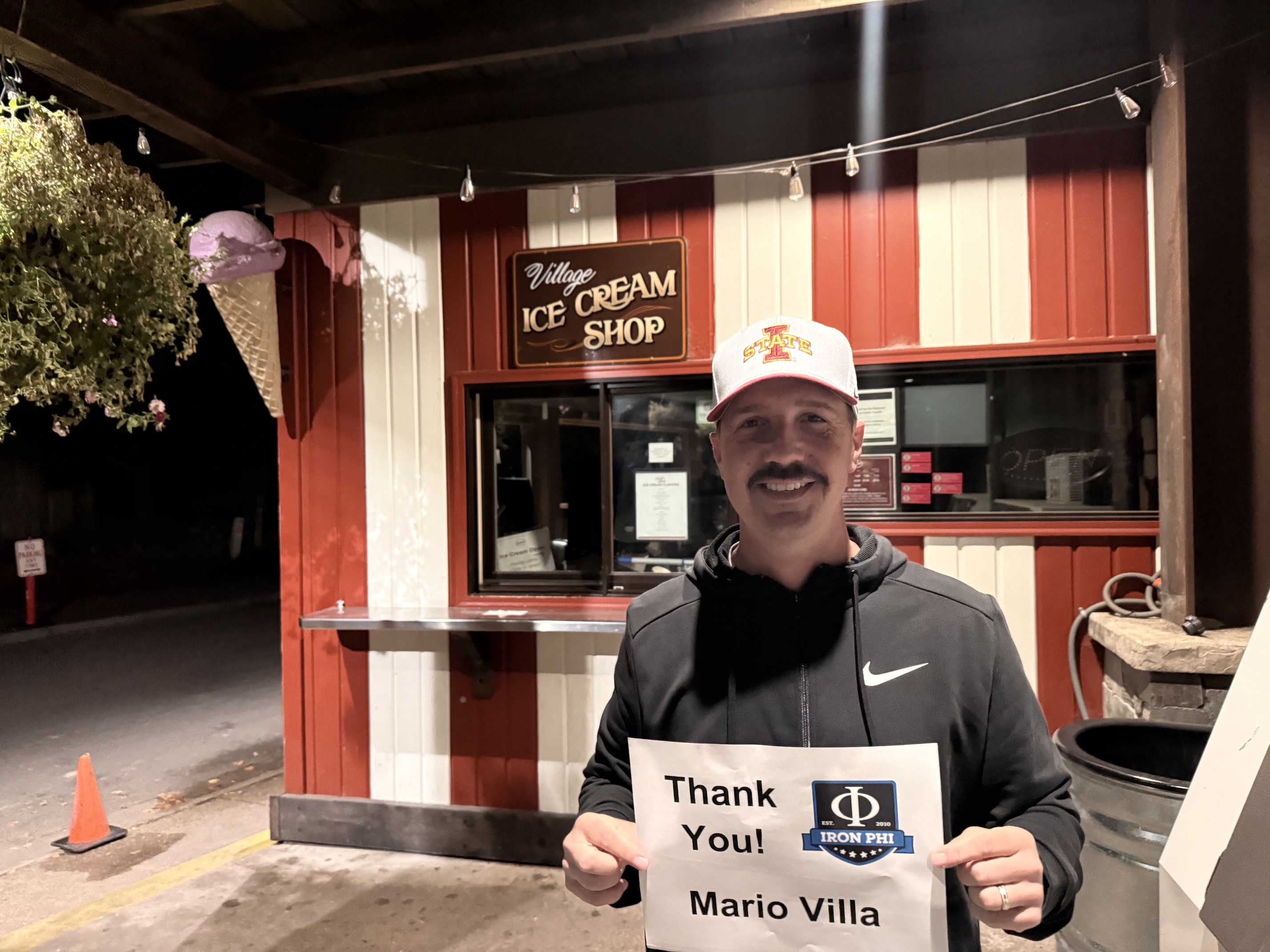
Located near the west entrance is Apgar Village, a charming lakeside community with shops, restaurants, and spectacular views of Lake McDonald. It’s one of the park’s main visitor hubs and a popular starting point for exploring Glacier. We hoped to find some food, but we were out of luck as most of the park’s services had closed for the season. Luckily, I found an ice cream shop that had lighting so I could thank my former colleague and law school admissions extraordinaire Mario Villa. I also remembered that we had ice cream here with the kids during our first visit to Glacier.
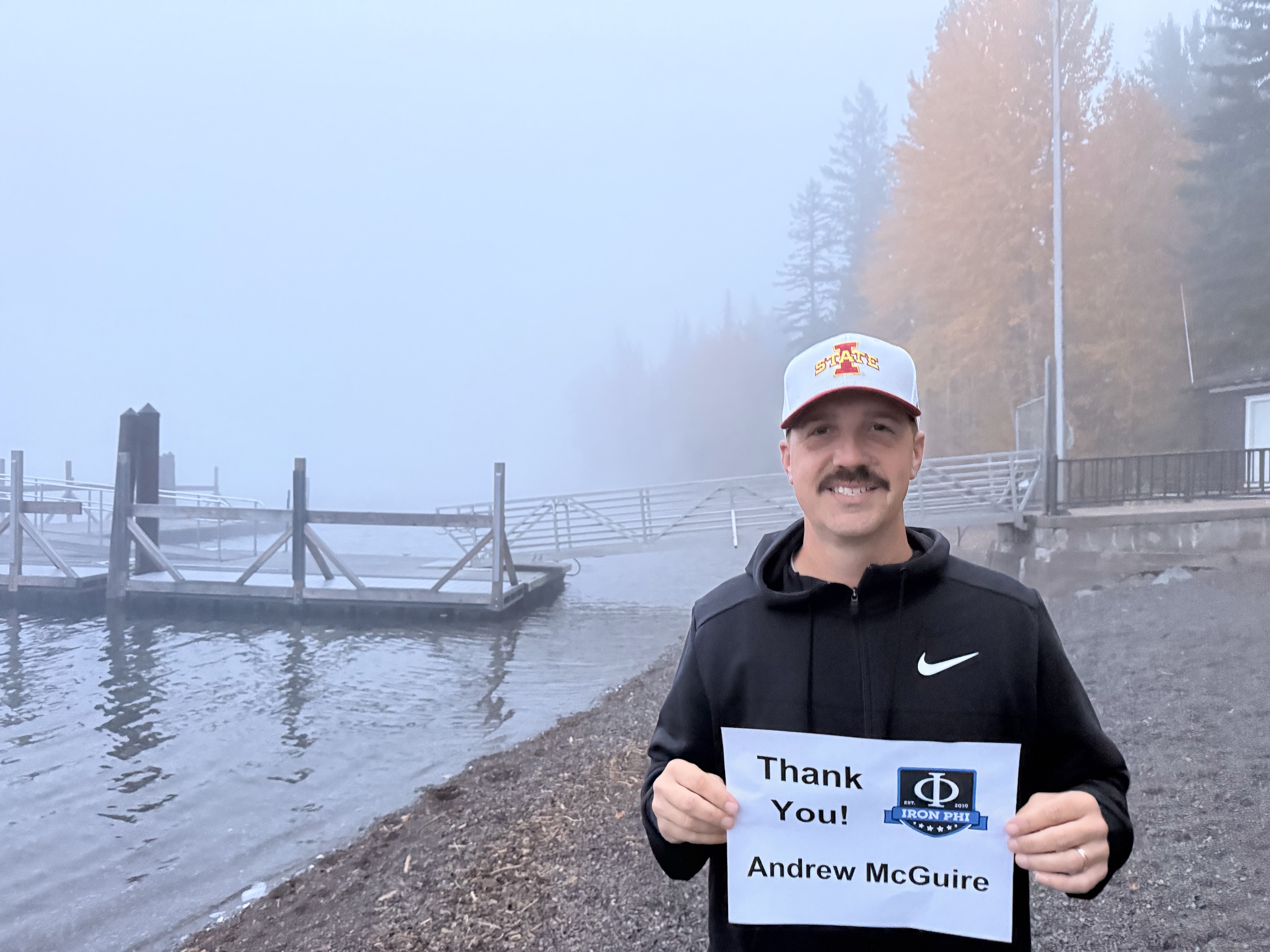
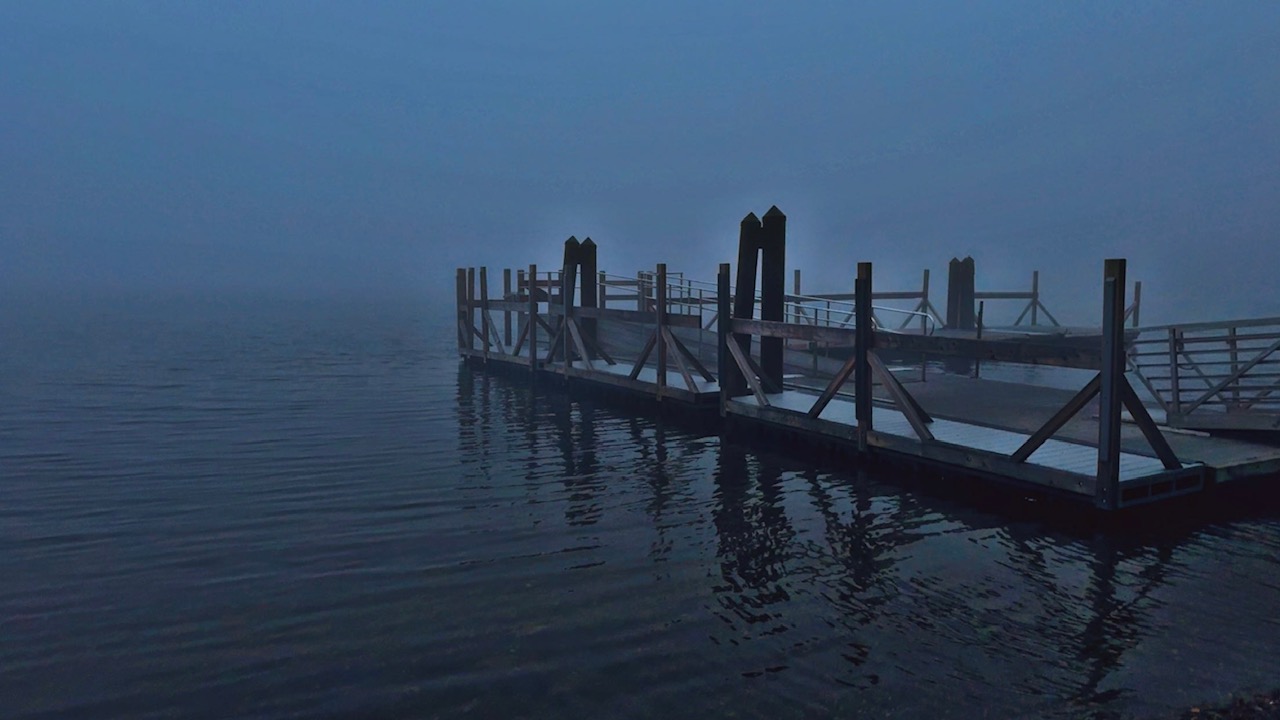
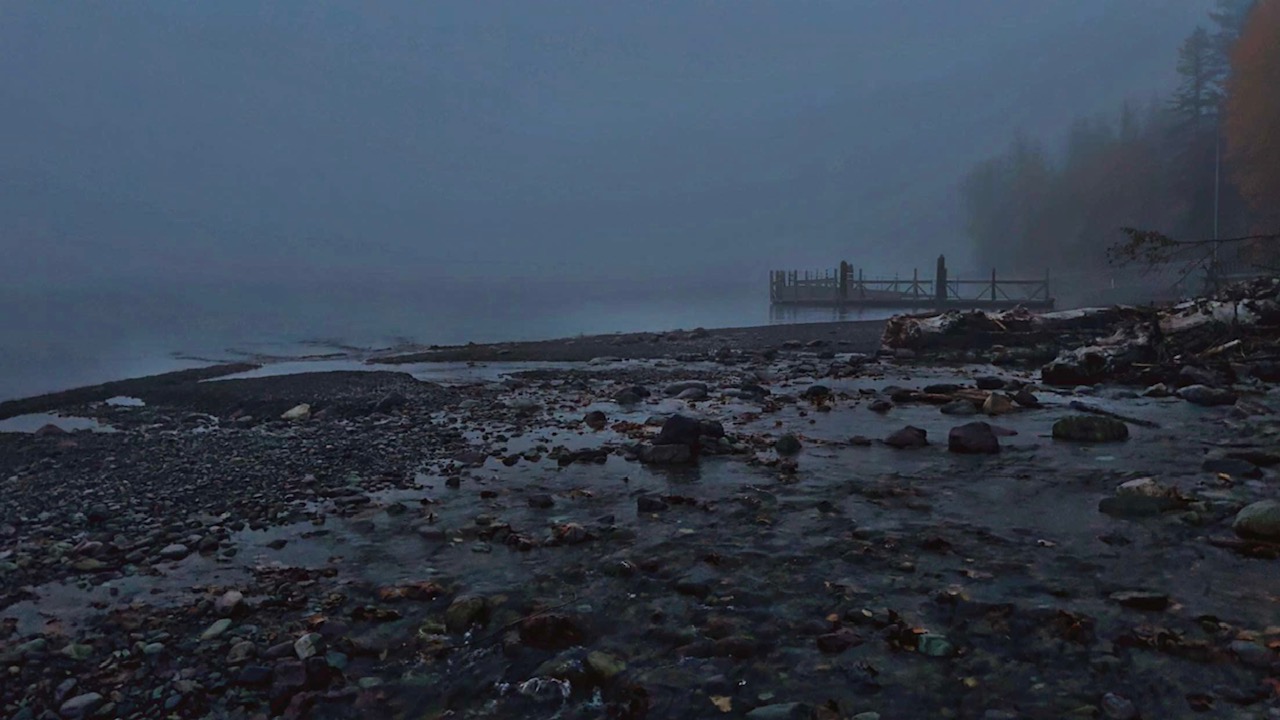
As mentioned, Glacier contains more than 750 lakes. Lake McDonald is its largest, stretching 10 miles long and reaching depths of nearly 500 feet. It is famous for its crystal-clear water, colorful rocks along its shoreline, and stunning reflections of the surrounding mountains. Unfortunately for us, we were covered in fog as the sun began to rise. However, it did provide for some eerie photos as we approach spooky season. I thanked fellow Phi Delt Andrew McGuire at one of the boat ramps where visitors launch scenic kayak experiences on Lake McDonald. I also thought of Andrew a few days later when I got to witness the Indiana Pacers play a preseason game at Hilton Coliseum in Ames!
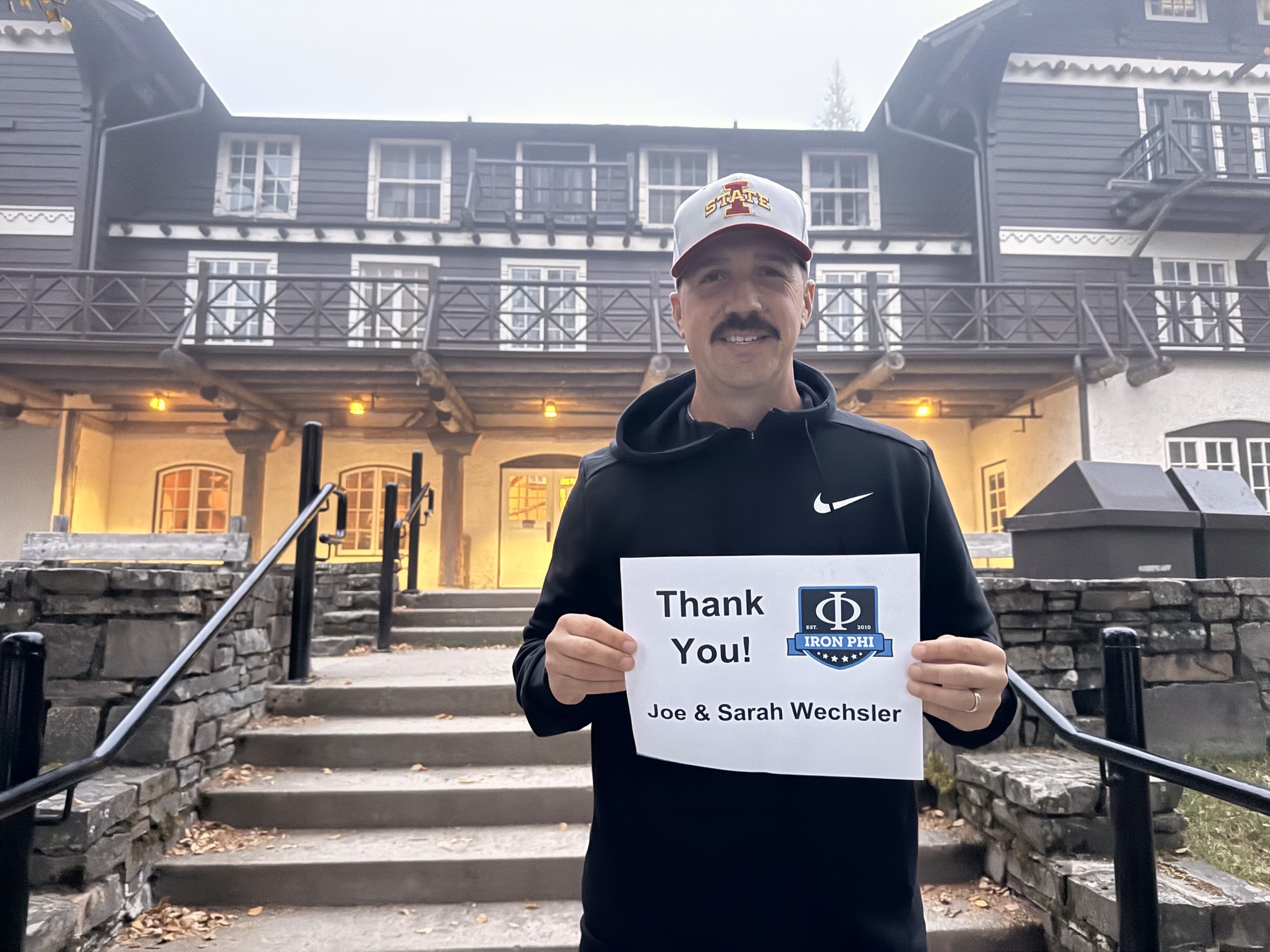
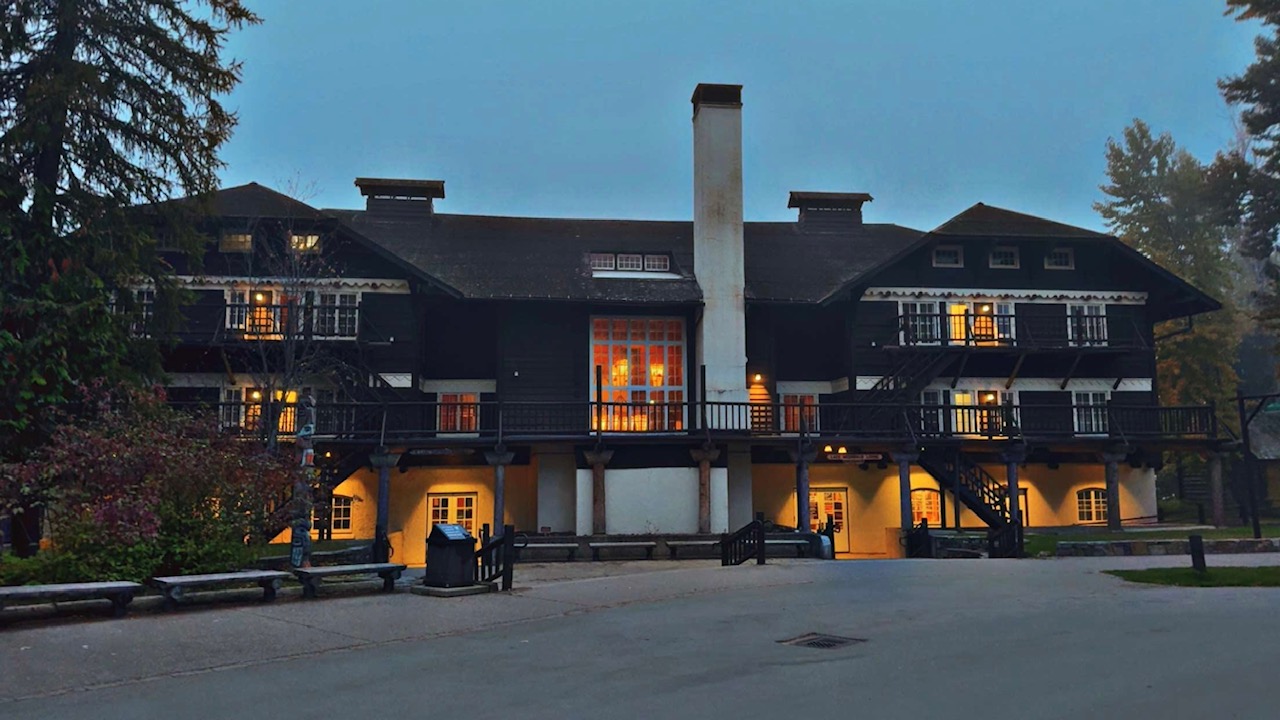
Lake McDonald Lodge sits on the lake’s northeast shoreline and opened in 1914. Its architecture reflects the Swiss-chalet style popularized by early tourism in the park. I thanked the Wechslers here as it brought back memories from our RV trip years back. One morning, Joe got up early and hitchhiked from our campground outside the park to Logan’s Pass and the Highline Trail for a 16-mile hike. I remember meeting him here when he was done. A classic Joe story.
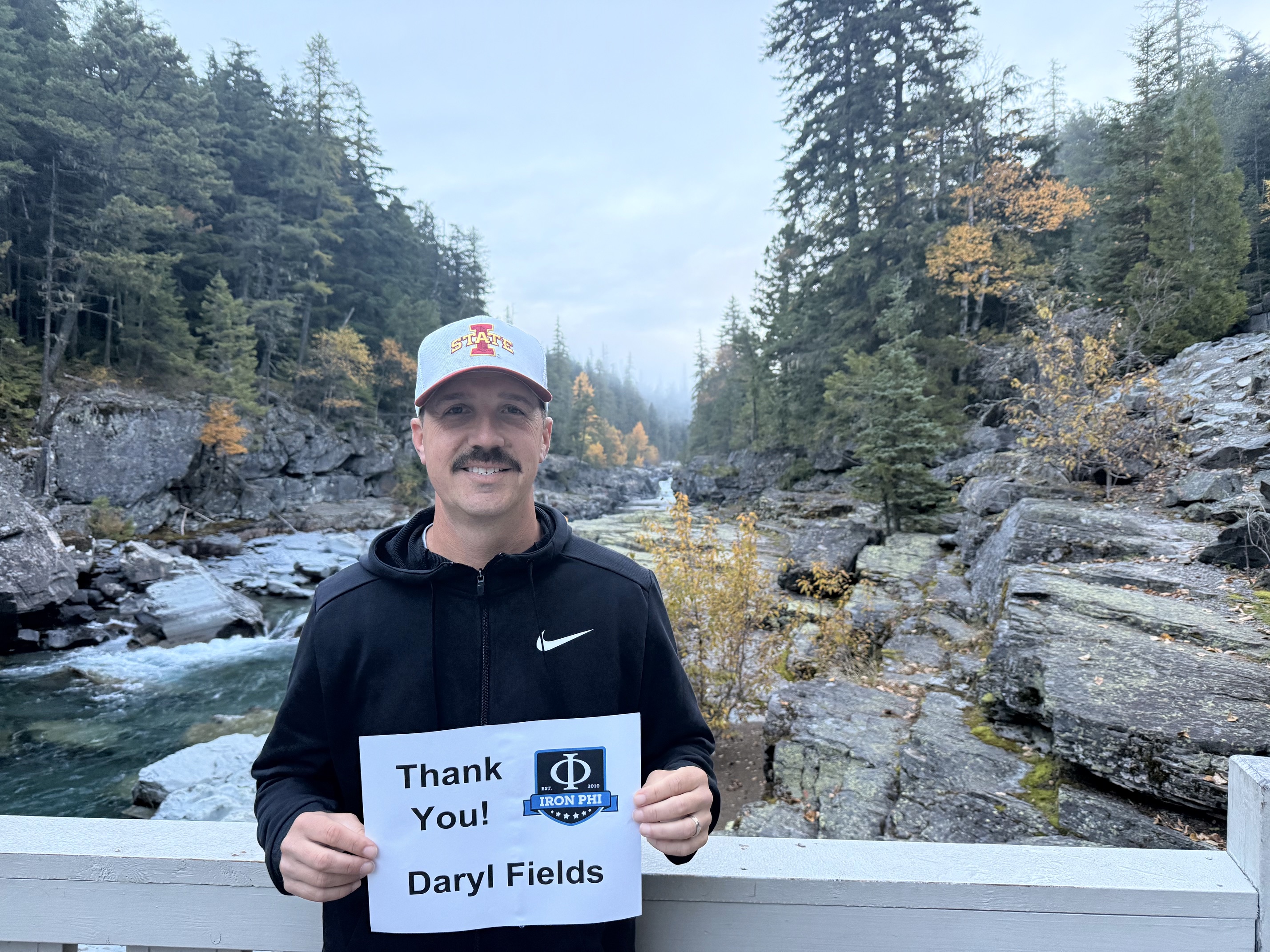
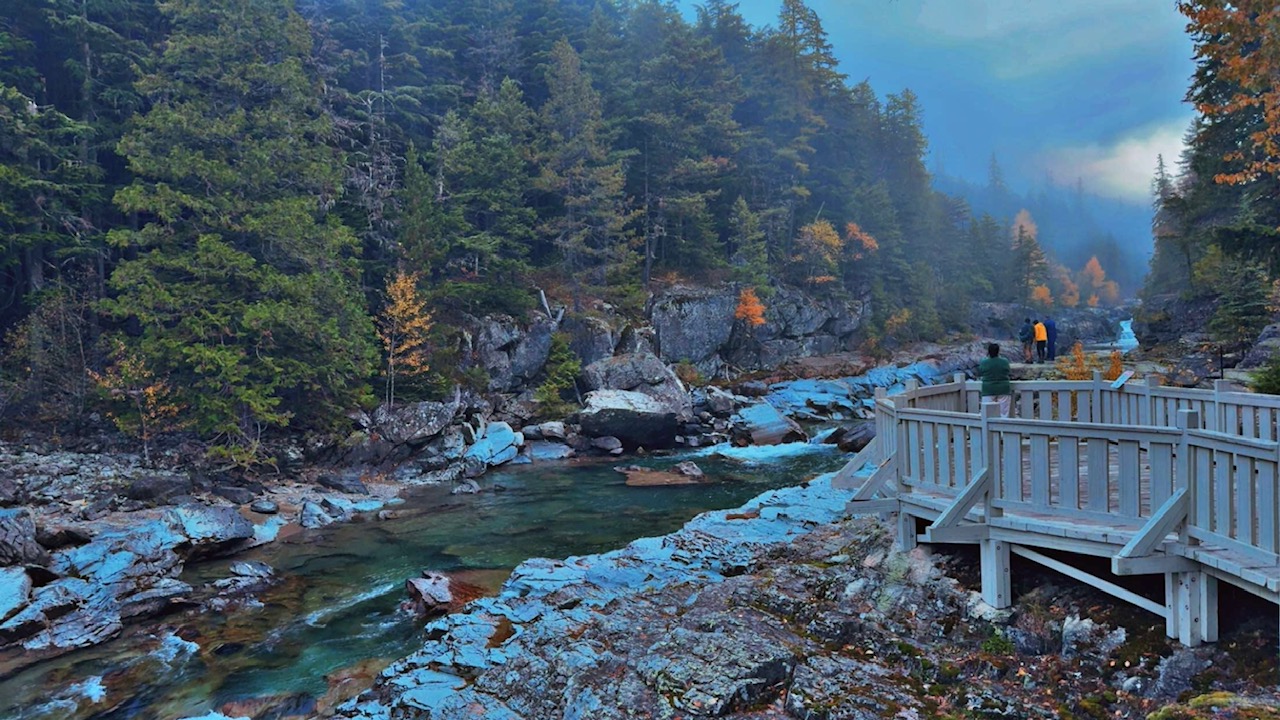
As the sun continued to rise along our drive, more and more scenes began to appear. We stopped at one of the road’s pullouts on McDonald Creek to thank Daryl Fields again and take a peek at the crystal clear waters flowing from the mountains to Lake McDonald.
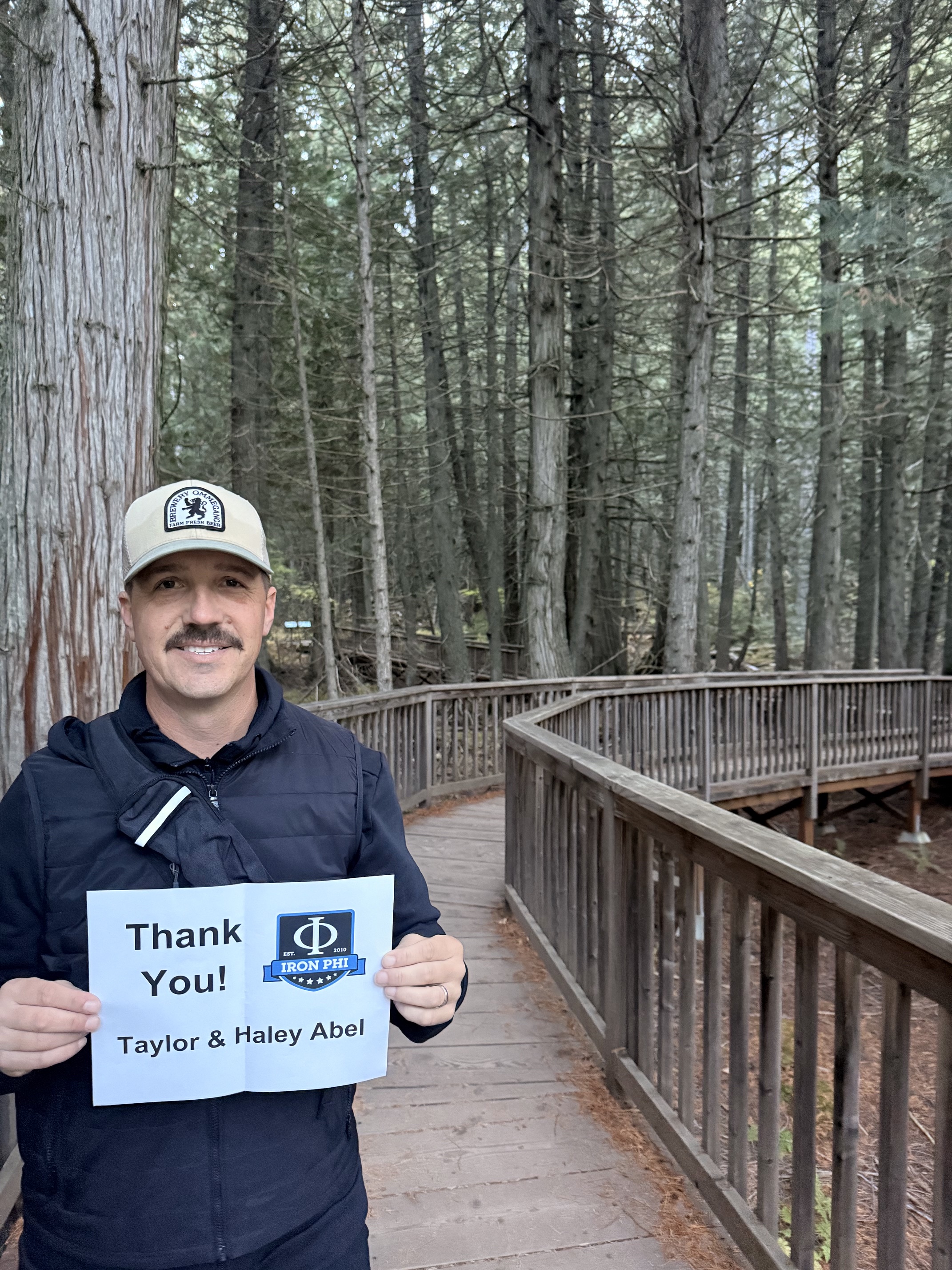
By the end of the day, Kerrie and I would hike 13 miles on a number of signature Glacier National Park trails. Our first hike began on the Trail of the Cedars and connected to the Avalanche Lake trail. The Trail of the Cedars is an easy one-mile boardwalk loop through an ancient forest of towering cedars. It was the perfect start to the day’s hiking, and I thanked Taylor and Haley Abel once again for their donation.
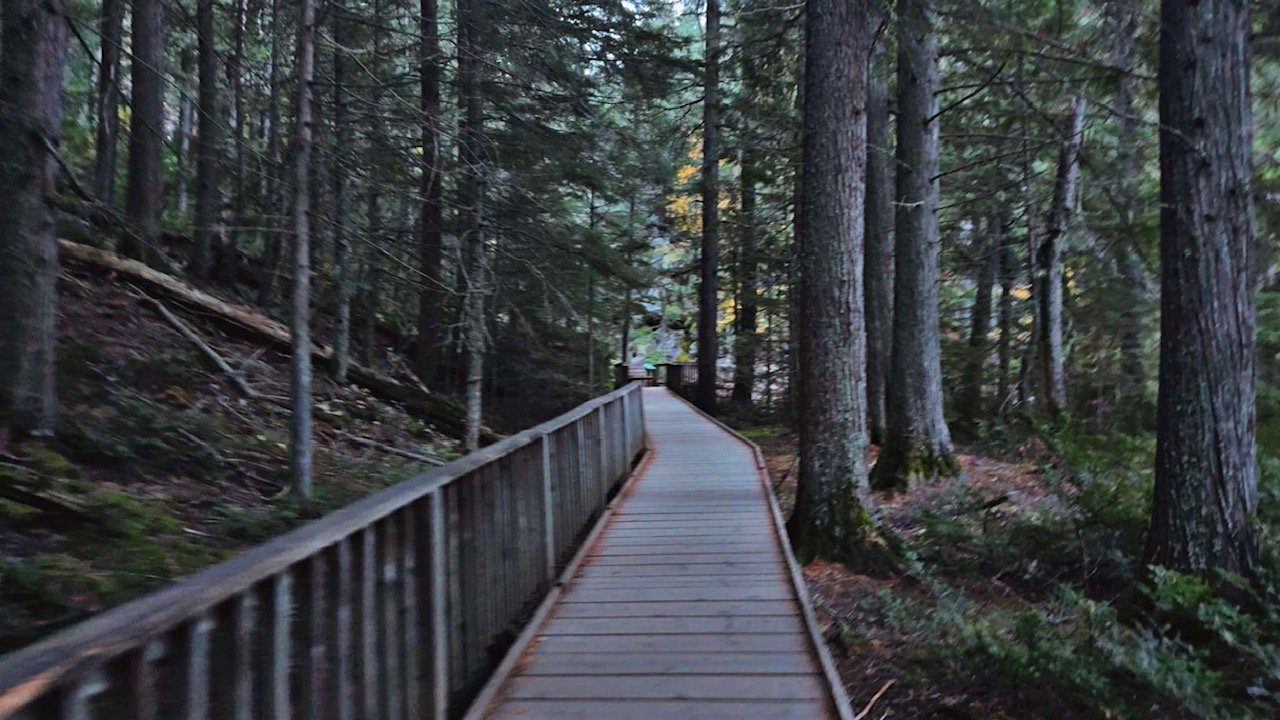
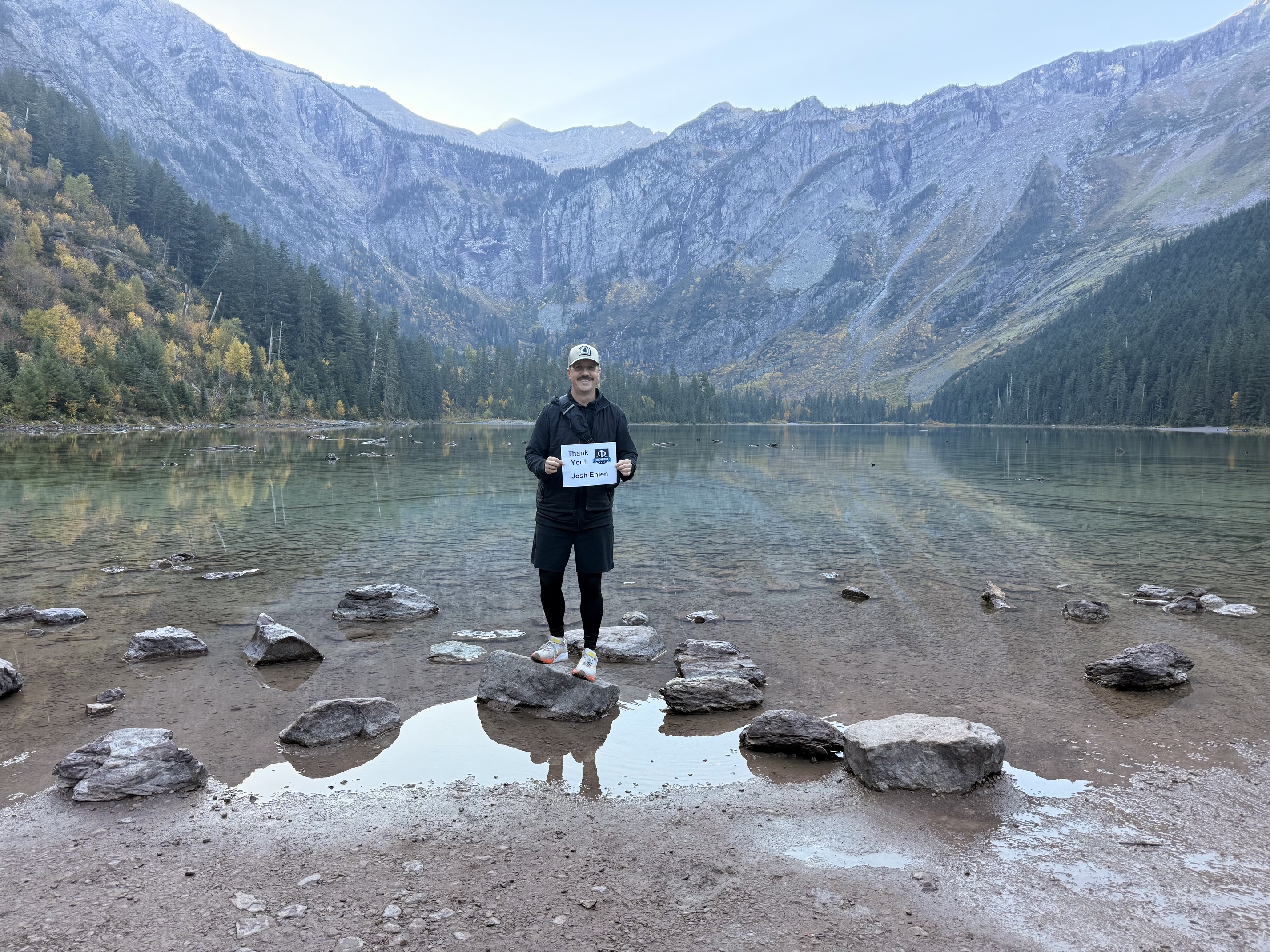
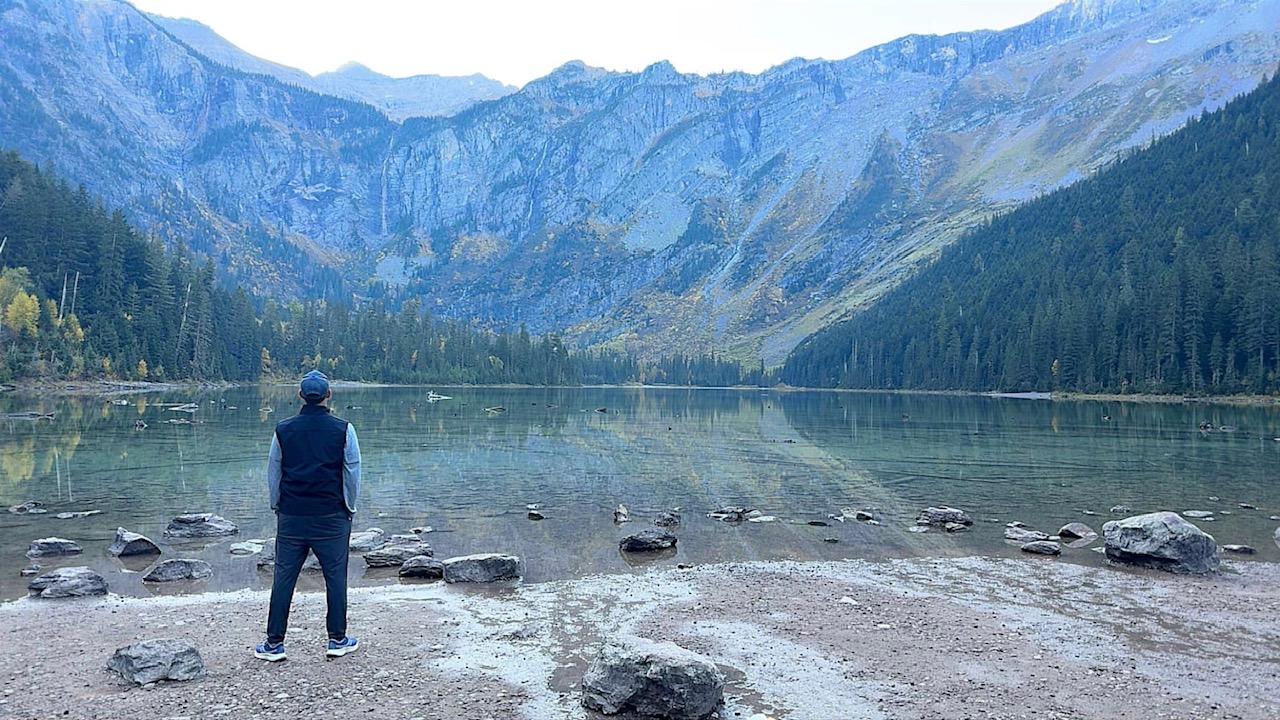
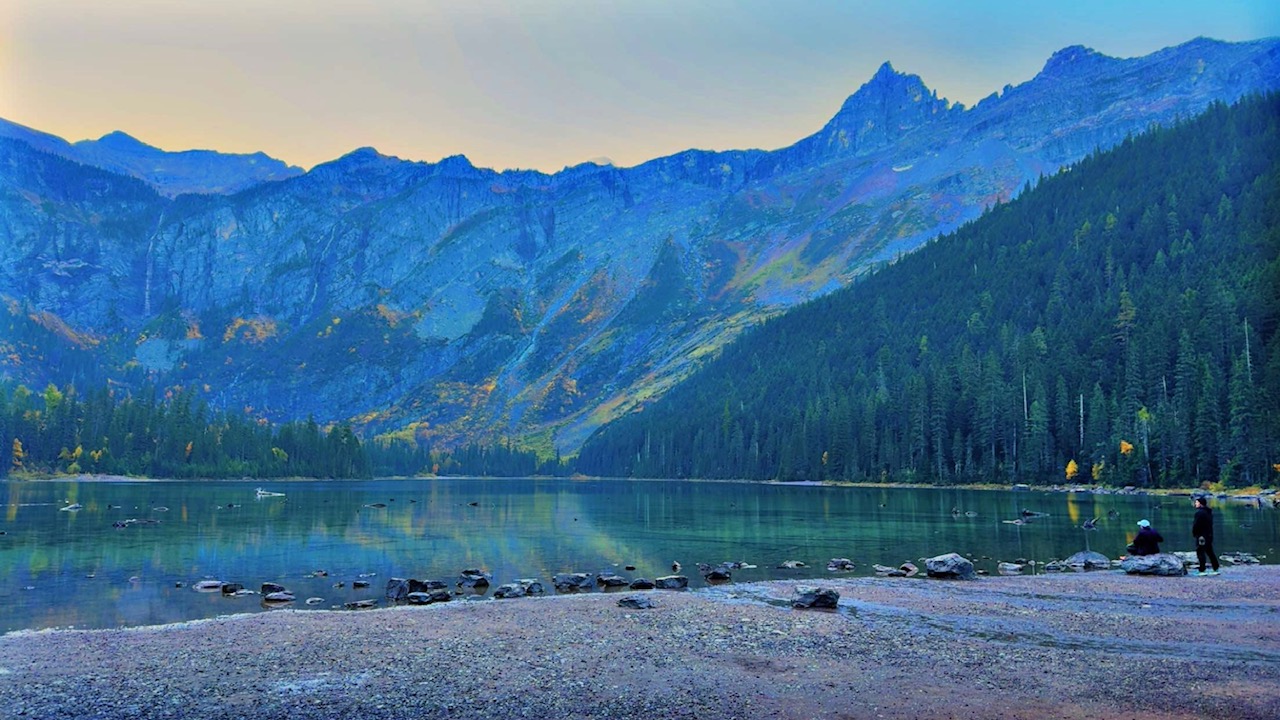
The Trail of the Cedars connects to Avalanche Lake Trail, one of Glacier National Park’s most popular moderate hikes. The 5.5-mile trail takes you on a hike through cedar forests and alongside the rushing waters of Avalanche Creek until you reach the main attraction. Avalanche Lake, surrounded by towering mountains and cascading waterfalls, is one of the park’s great scenes, and we only had to share it with a few other people. I had to go a little more panoramic for this sign thanking Josh Ehlen again.
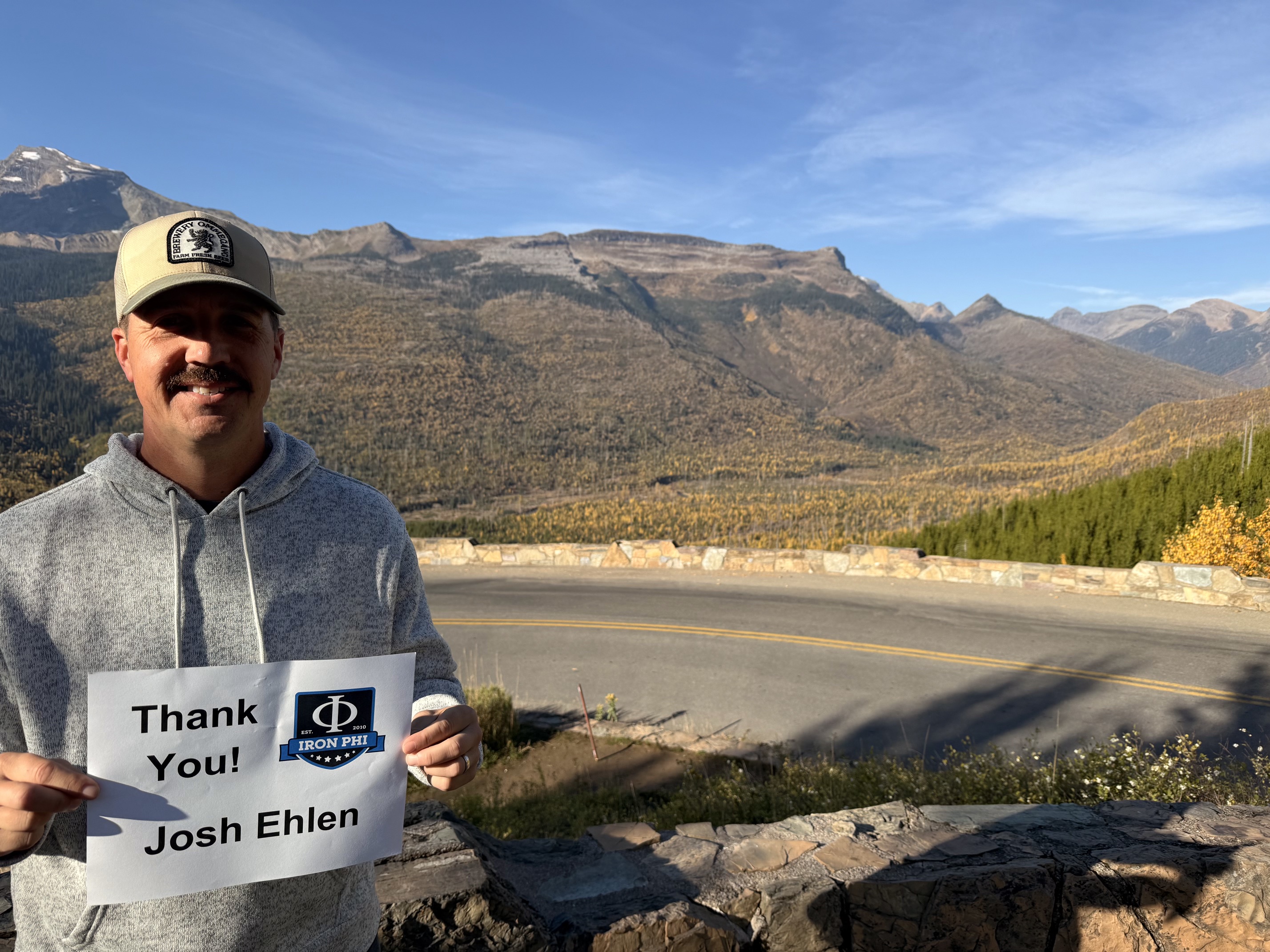
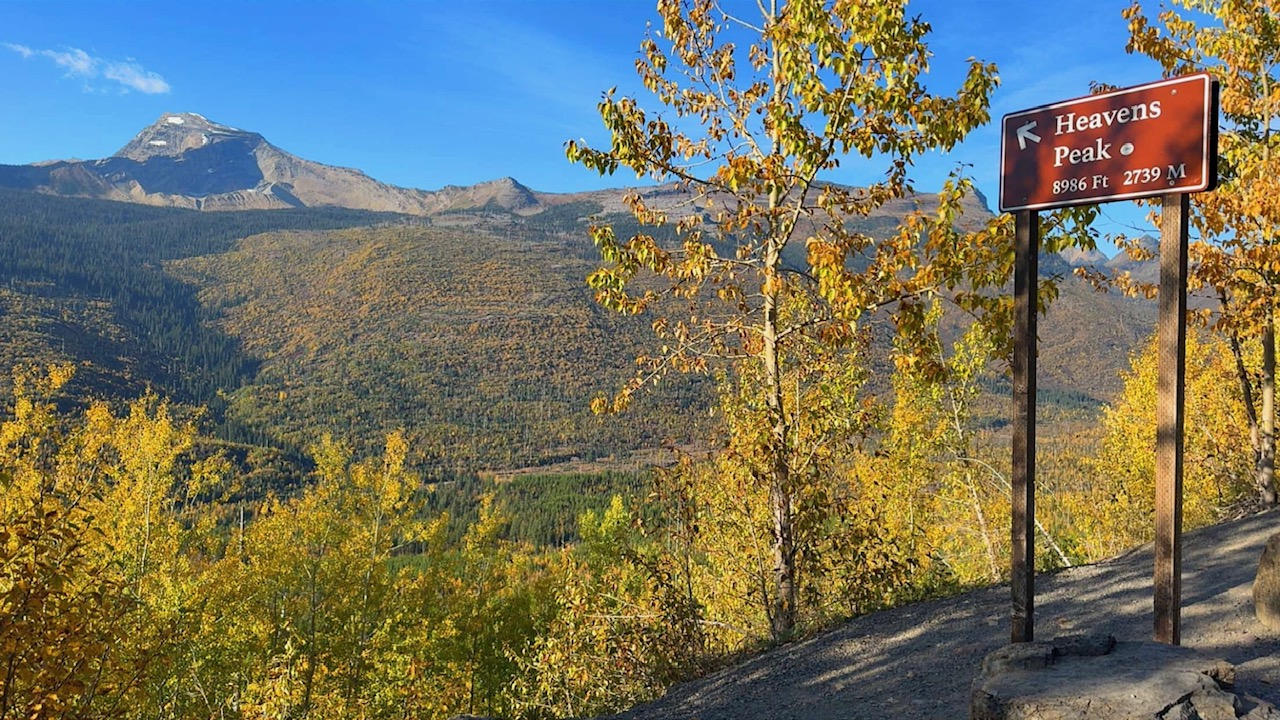
After returning to the van, we continued on one of America’s most spectacular scenic drives, the Going-to-the-Sun Road. Completed in 1932 after 11 years of work, the road winds 50-miles through Glacier National Park. One of the most fascinating features of the Going-to-the-Sun Road is that it has just one major switchback, known as The Loop. Engineers could have built numerous switchbacks to reach Logan Pass, but instead chose a longer route that follows the mountainside with just one major reversal. That decision helped make Going-to-the-Sun Road one of the most beautiful and celebrated scenic drives in the country. We stopped at The Loop to admire Heaven’s Peak and thank Josh Ehlen.
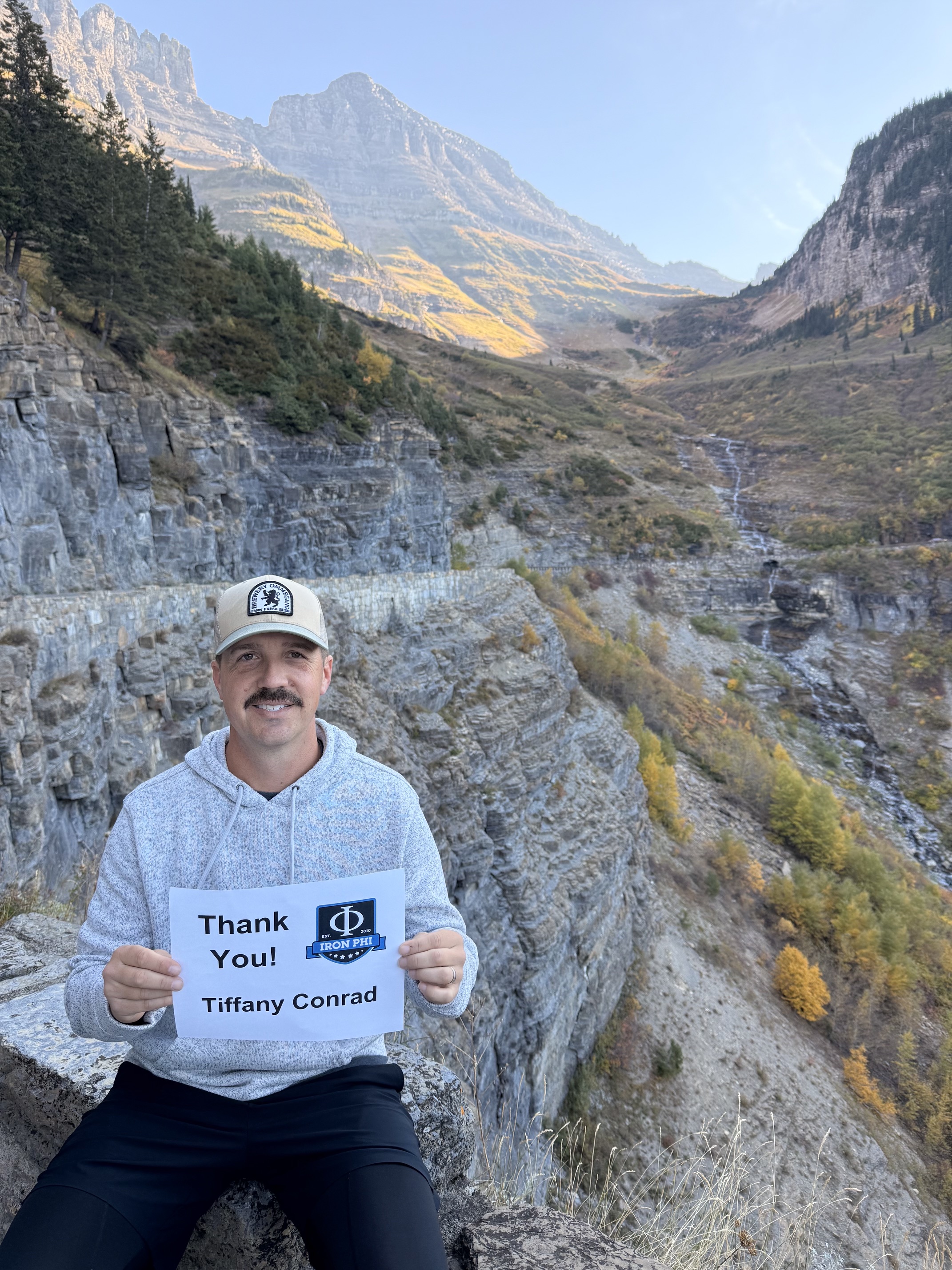
The section of Going-to-the-Sun Road between The Loop and Logan’s Pass is probably my favorite. We stopped a number of times to marvel the views down into the McDonald Creek Valley. The overlook of Bird Woman Falls allows you to view a waterfall that plunges 550+ feet down a steep mountainside, and I was able to thank my tourism-loving friend Tiffany Conrad.
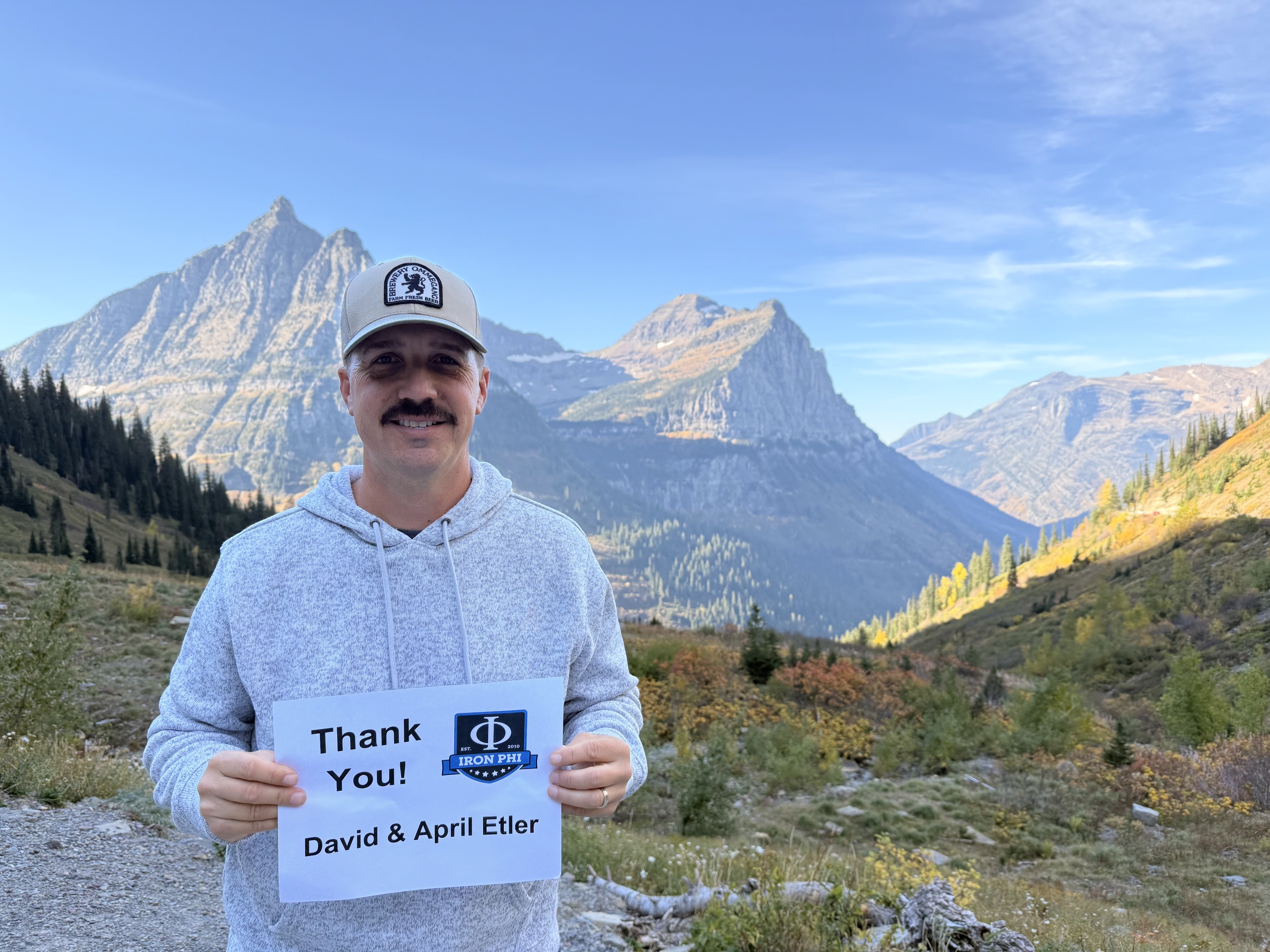
We also stopped at accurately-named Paradise Meadow to thank the Etlers again. I remember stopping here in the summer and being amazed by the flowers. While the bloom wasn’t in full force, Paradise Meadow is always amazing.
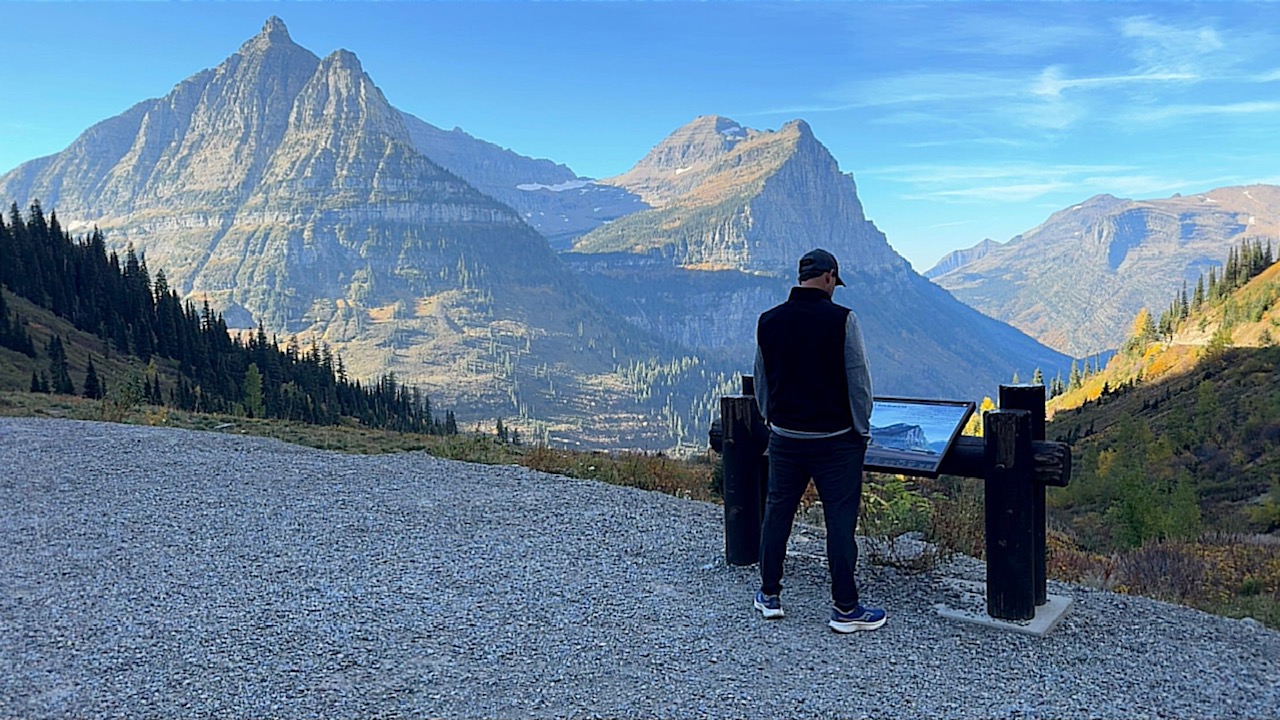
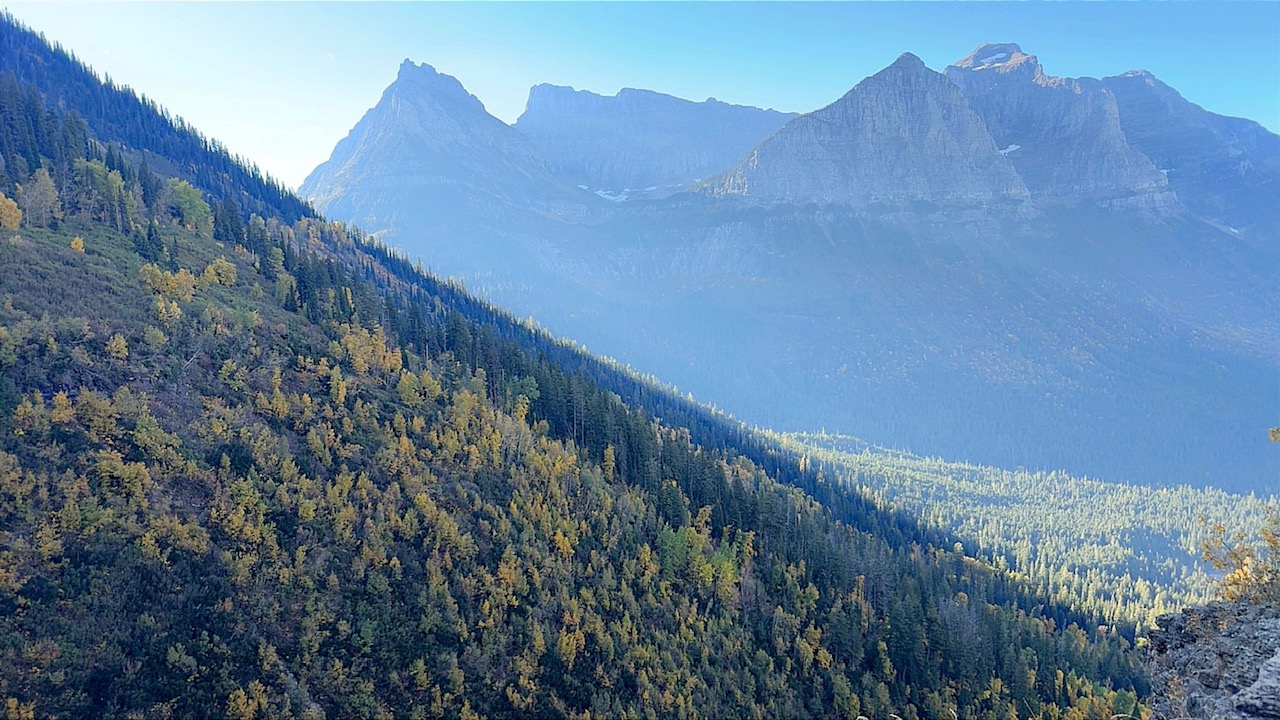
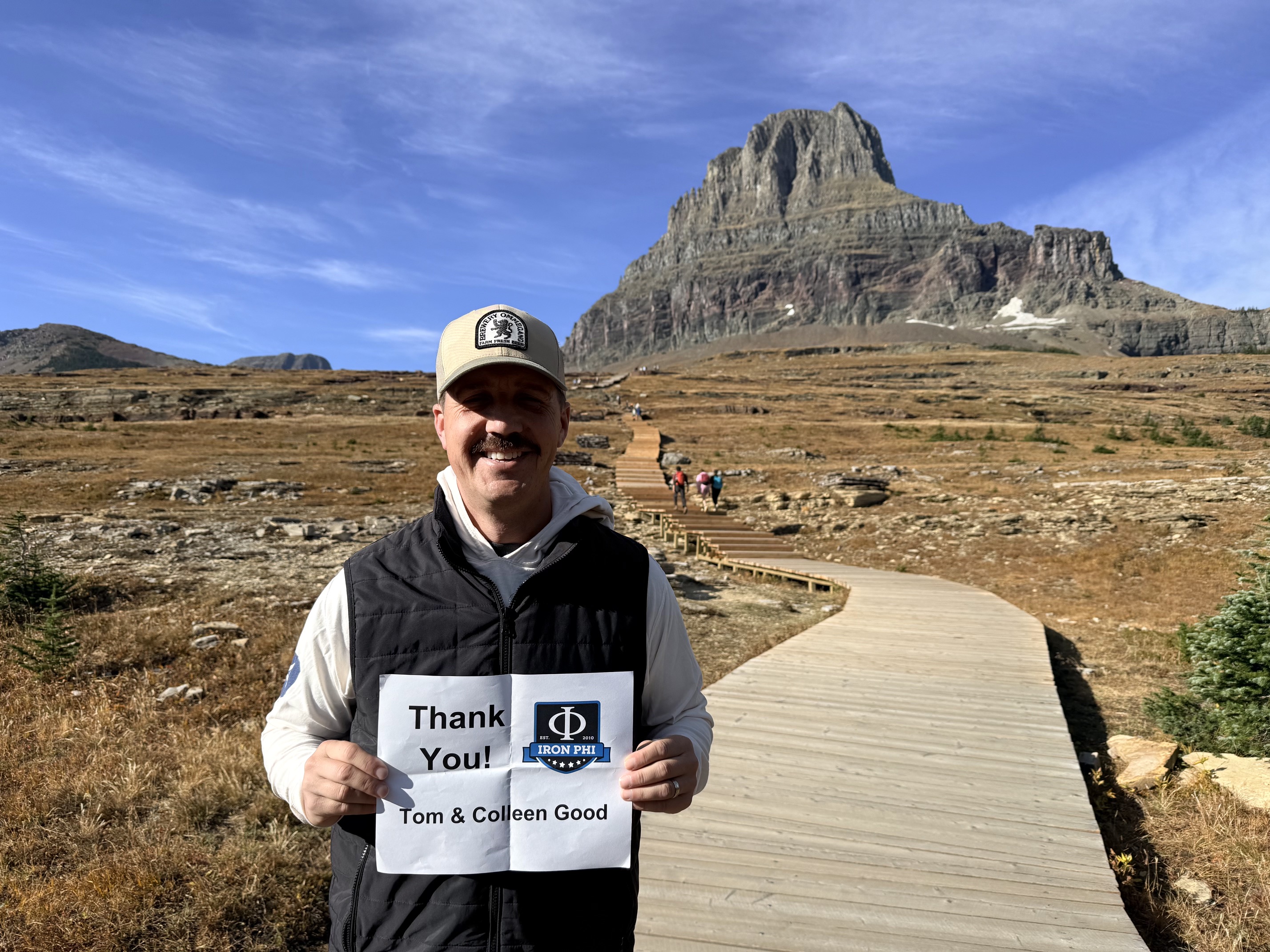
At 6,646 feet, Logan Pass is the highest point along Going-to-the-Sun Road and marks the Continental Divide. It’s famous for its access to some of Glacier’s best hiking trails and also one of the busiest and most frustrating parking lots. I was worried about parking all week after not being able to get a spot last time I was at Glacier. Upon turning into the Logan Pass parking lot, I quickly realized that parking wouldn’t be a problem this time. Whew! Rather than take a picture of the Visitors Center and the parking lot that has stressed me out, I decided to turn around, show the beginning of the Hidden Lake Overlook Trail and thank Tom and Colleen Good again.
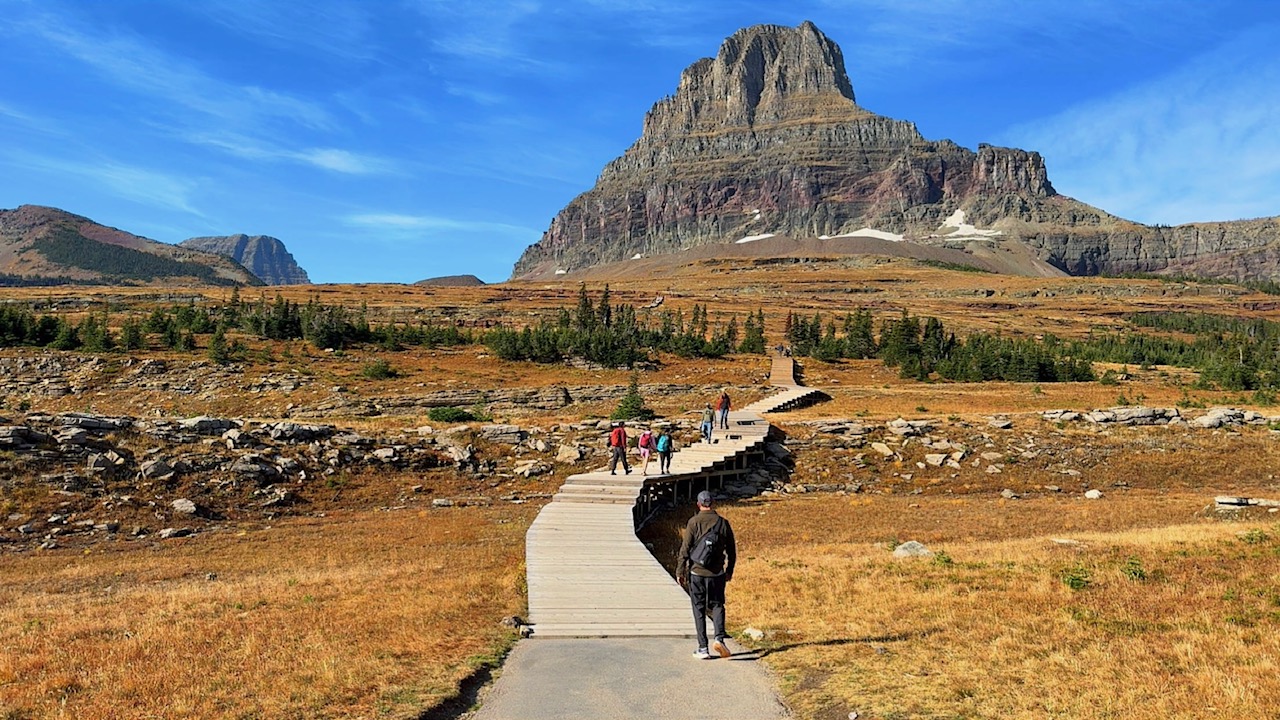
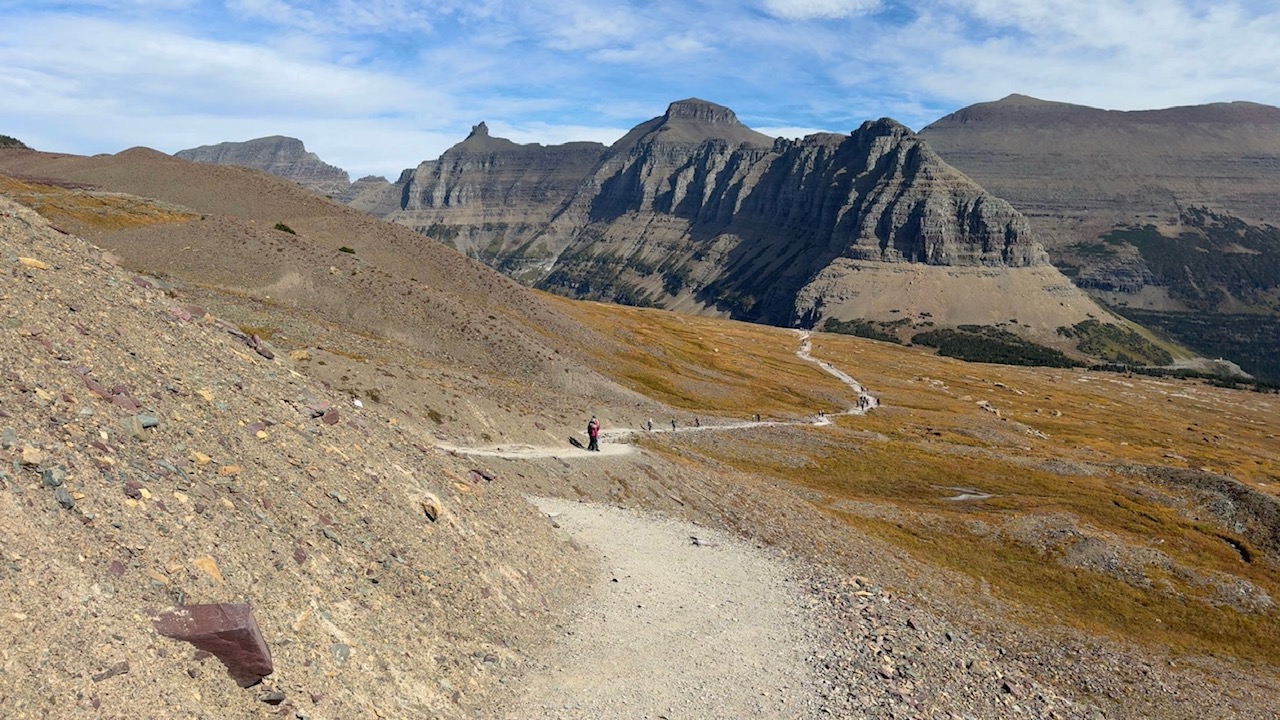
On the way to see Hidden Lake, we heard rumblings from fellow hikers to move quick to see the grizzly bear ahead. This is a recommendation that seems quite exciting yet very nerveracking. Can I get a few more details please? Sure enough, around the corner was a giant grizzly bear up on the mountain bent over shoveling dirt backwards between his legs. I was glad to see that he had more to get done that day than to terrorize park visitors.
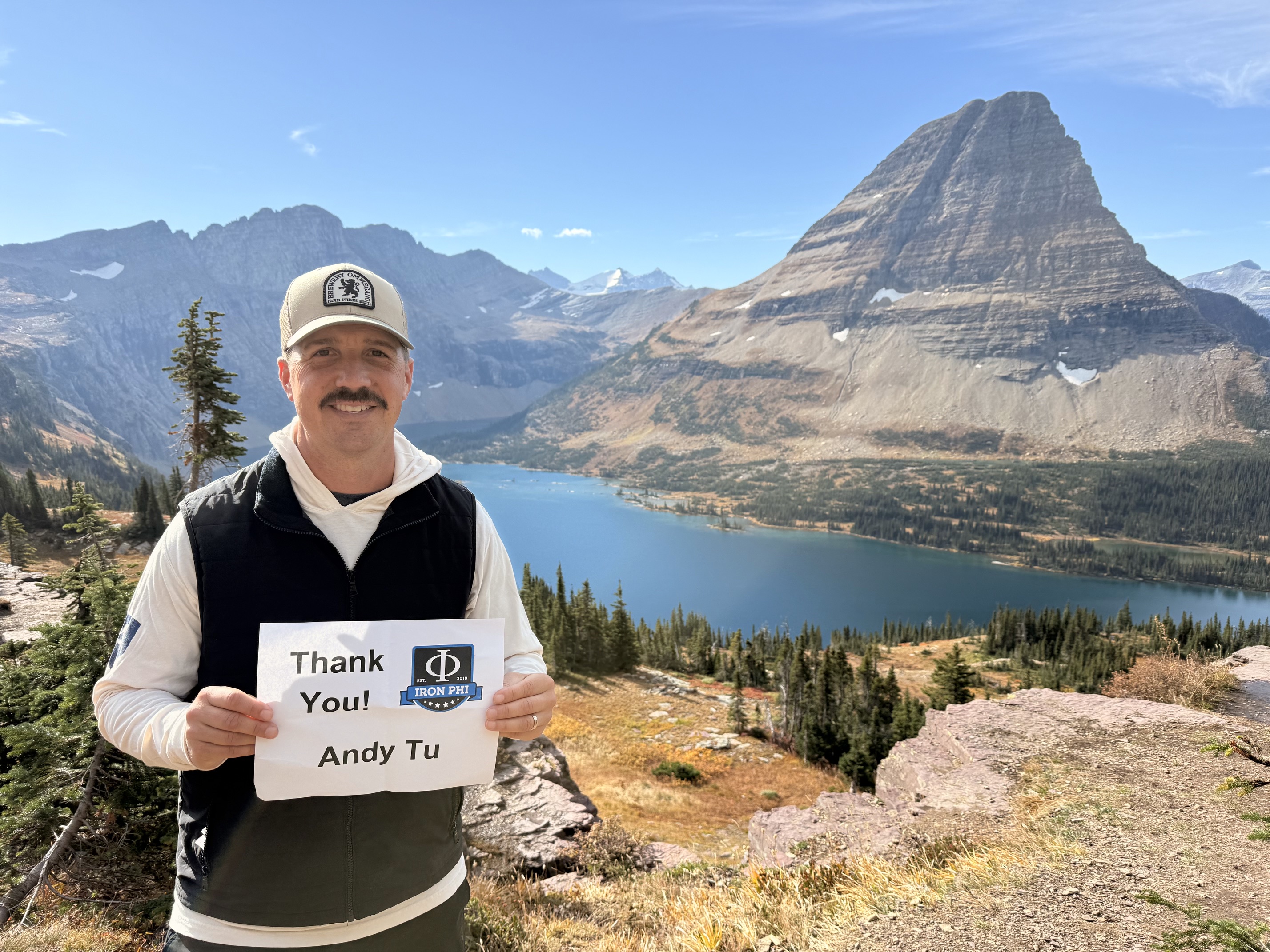
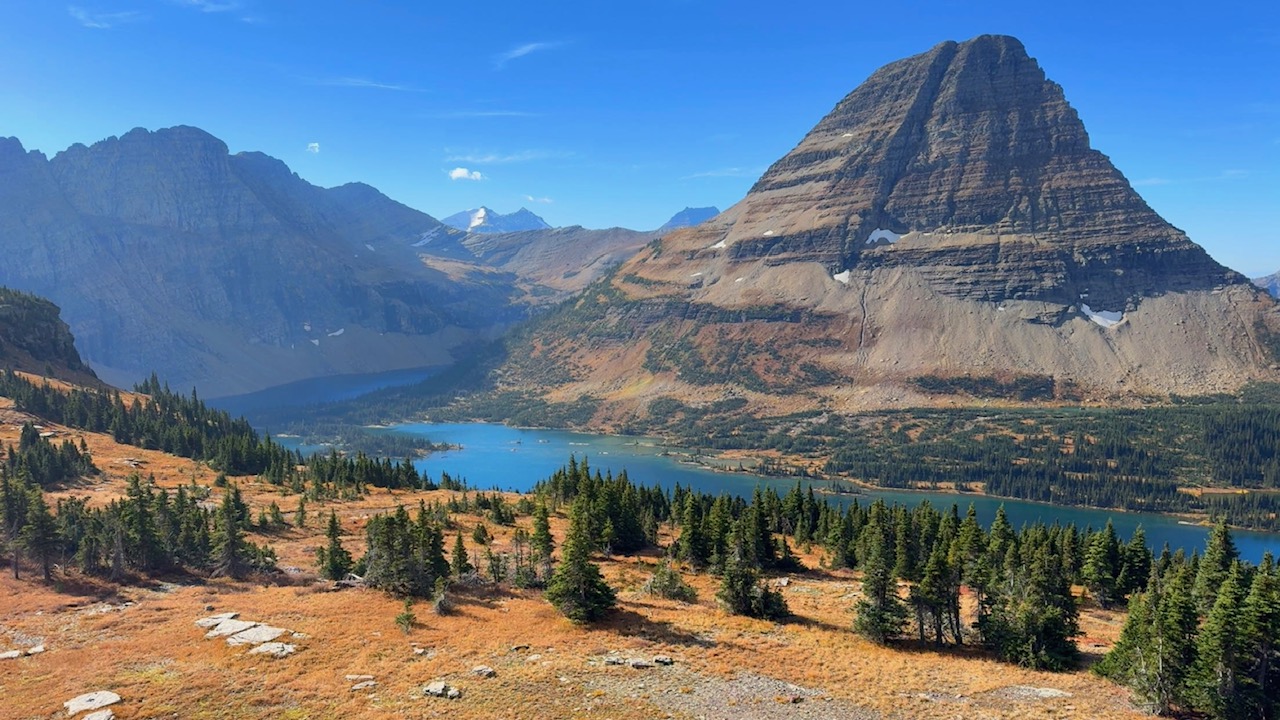
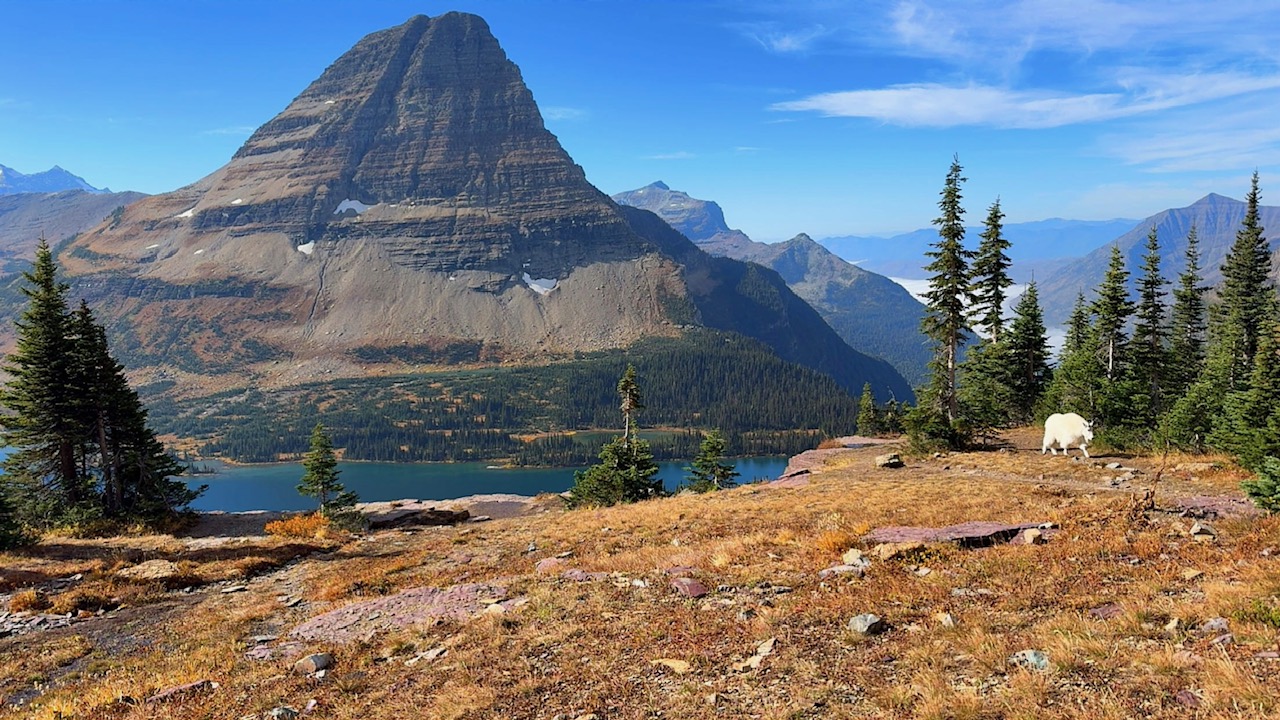
The overlook of Hidden Lake is approximately 1.5-miles from the trailhead and provides one of Glacier’s most iconic views. The lake sits beneath the dramatic pyramid-shaped Bearhat Mountain. I thanked Andy Tu again for his donation before Kerrie and I decided to press on another 1.5-miles down to the lake. Decisions like that always seem easy in the moment. “Why wouldn’t we hike another 1.5-miles down to the lake?” Then you get down there and realize it’s three miles from the car, mostly uphill.
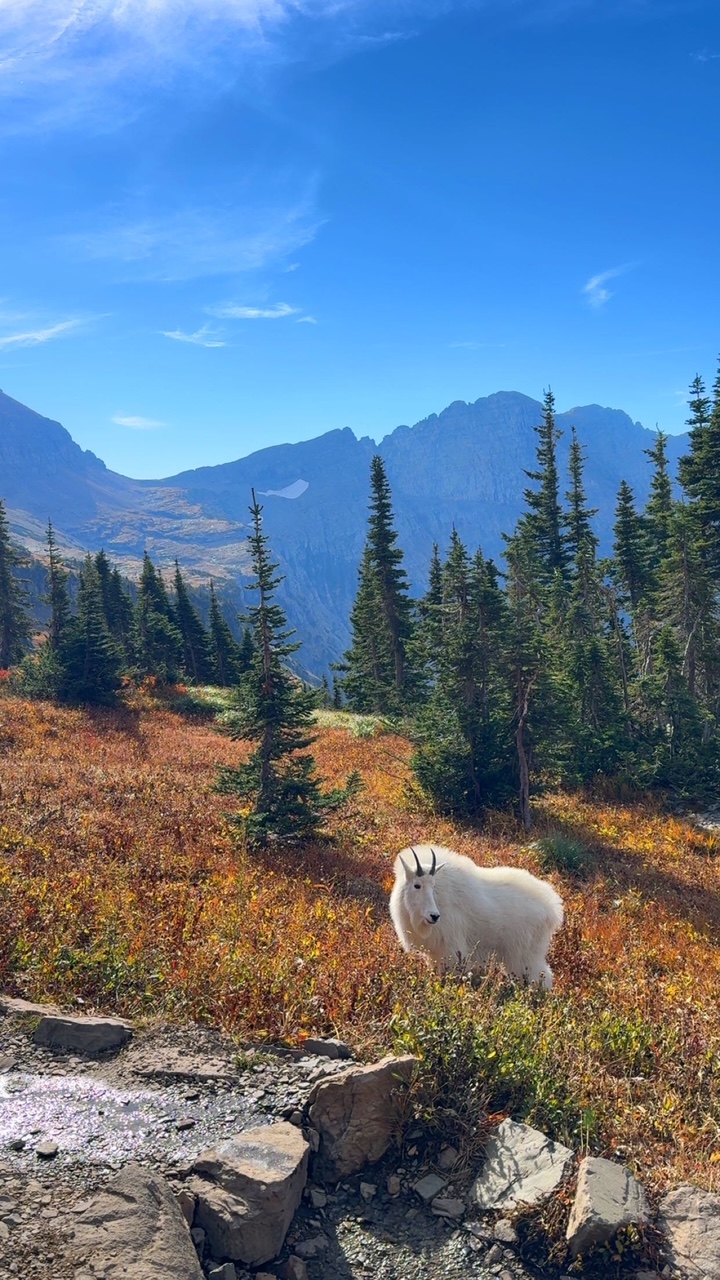
What a great decision it was. Just five minutes later, the park’s unofficial mascot, the friendly mountain goat, appeared to welcome us to his domain. Someone must have promised him snacks, because he walked directly to our group of seven, perched up on a rock about five feet from us, and let people take his picture. The young folks around us called it “mogging.” I called it, “you guys see those horns right?” A great moment!
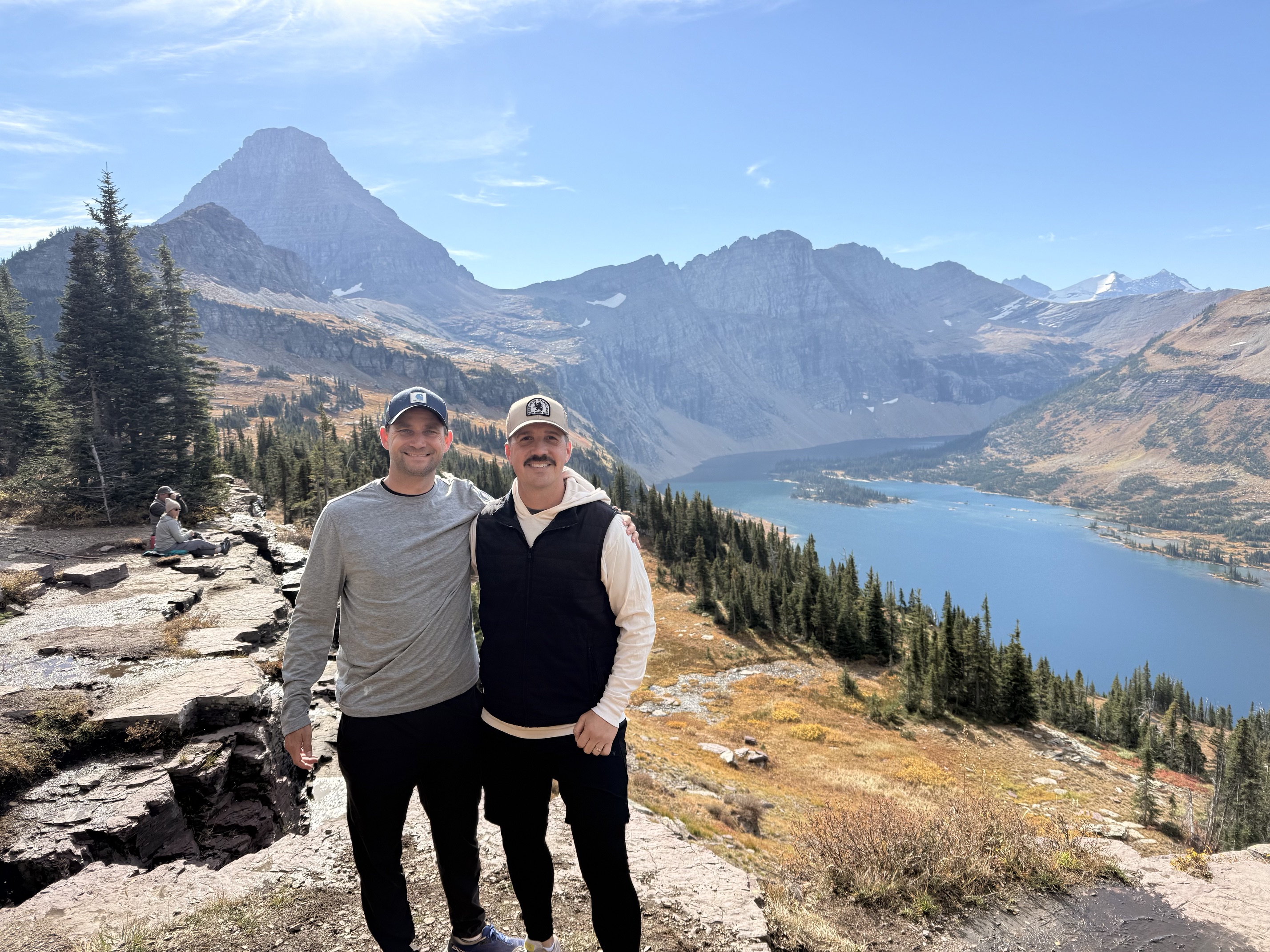
Hidden Lake was also a great place to capture a good picture with Kerrie. We had an amazing week, and Kerrie was an incredible travel mate. Somehow, nearly every logistical piece of the trip went as planned, the Montana gods presented us with pristine weather, and we balanced each other’s energy all week. Kerrie prompts great conversations, we had many laughs along the way, and the shared experience will last a lifetime. That’s what the running trip is all about! Appreciate you Kerrie!
It was time to thank another person who contributed significantly to the running trip – my wife Tillie. I’m a lucky guy to have a partner who gives me the green light to do this each year, and I never take that for granted. Like many working parents with middle/high schoolers who can’t yet drive, every week at our house feels like a sprint to keep up. Removing one piece of the equation for a week makes it an absolute puzzle, but Tillie navigates it wonderfully. I definitely complain more when it’s my turn to do the same. Ha! She’s the best.
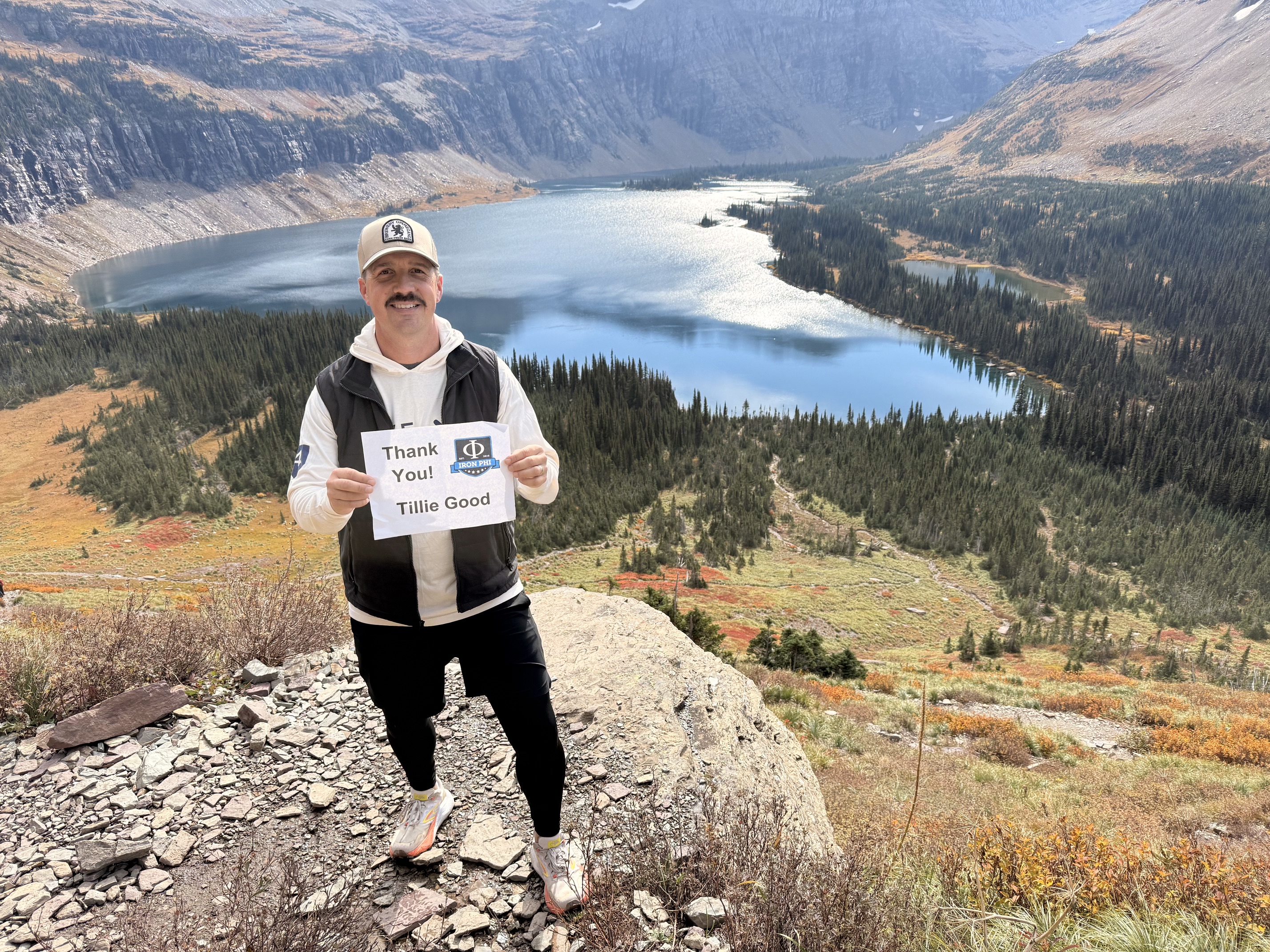
Each stage of our hike down to Hidden Lake offered unique panoramas of this beautiful terrain.
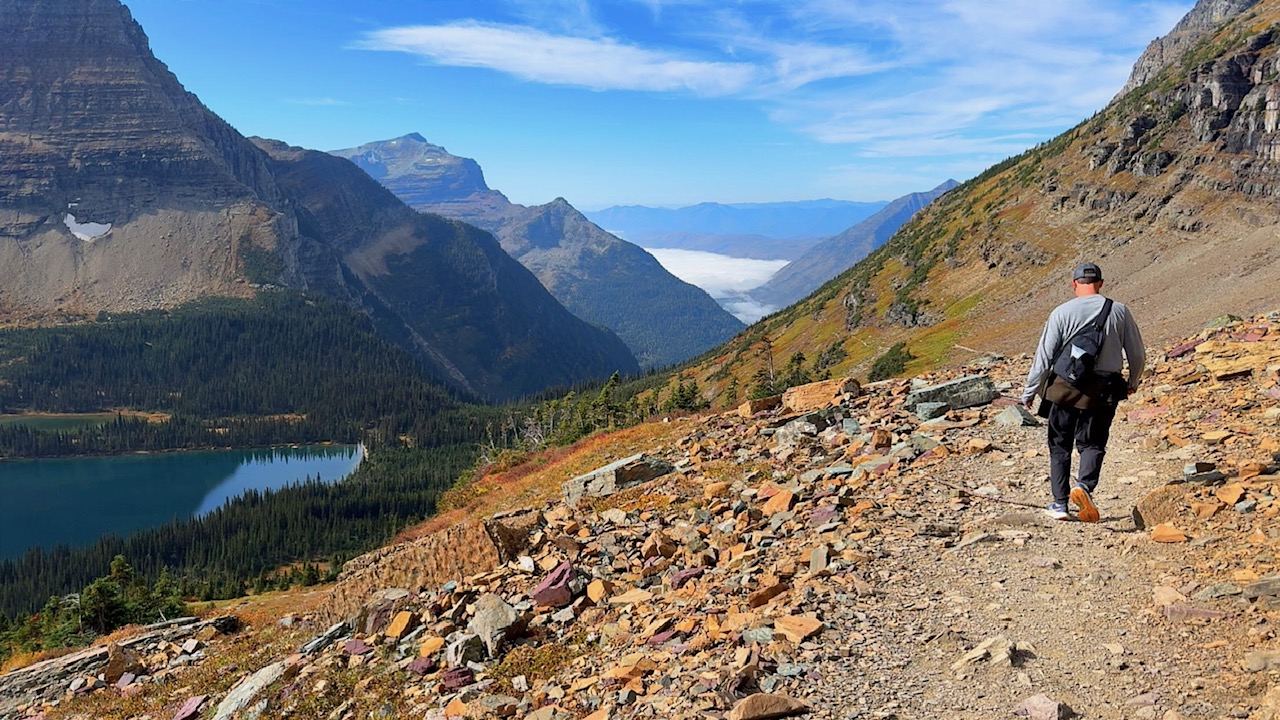
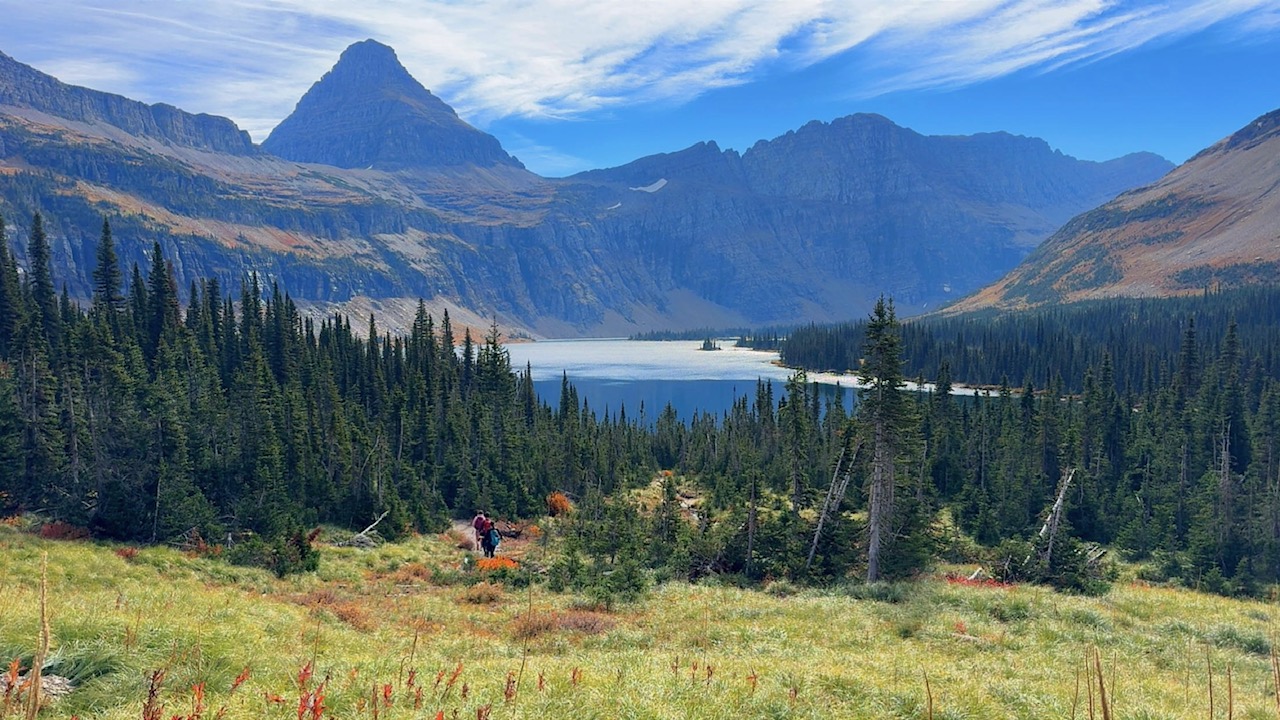
We arrived at the lake only to be mogged by our younger hiking friends who had jumped in the lake. I think I used that phrase correctly. Nonetheless, Kerrie and I complained about our joints, wondered why we were sweating so much, looked for a place to pee, and created many excuses of why jumping in the lake would be a terrible idea for the rest of the adventure to the van. Oh, to be young again.
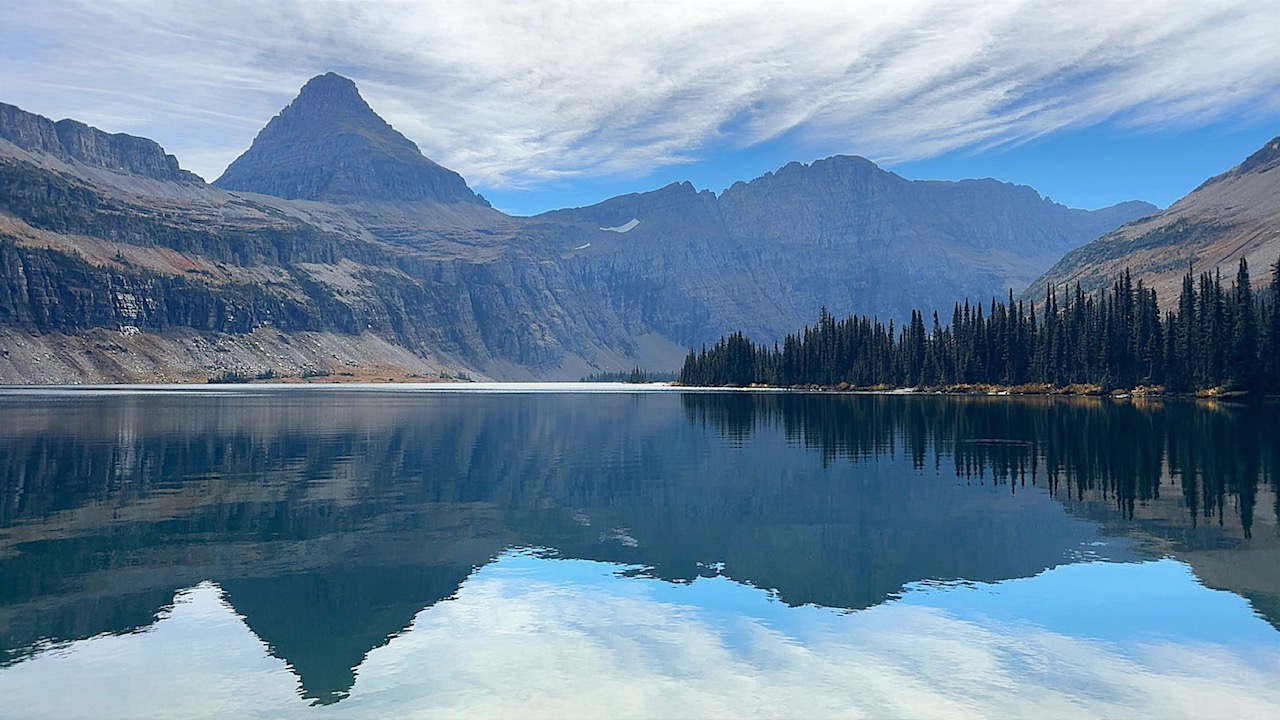
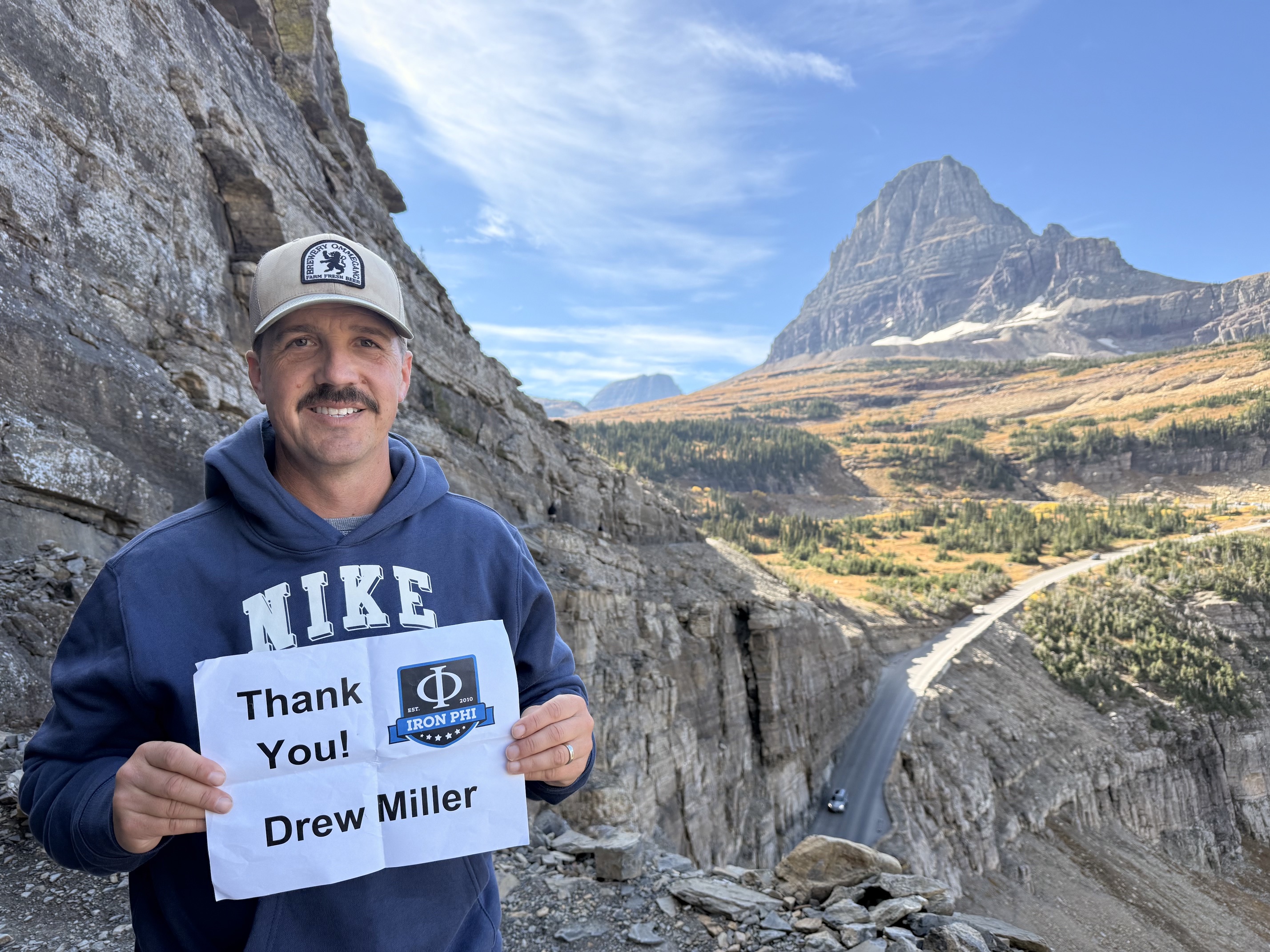
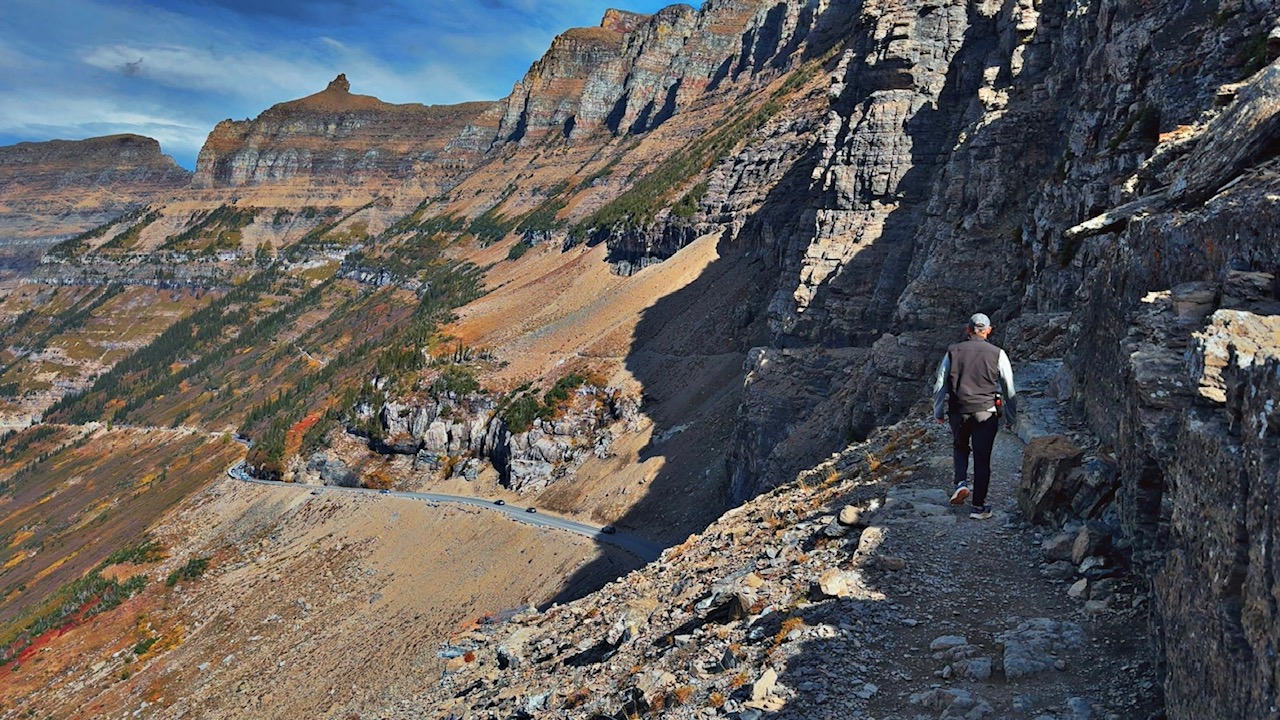
Our dry clothes definitely led to us beating our younger friends to the top, and after grabbing some snacks and a seat, we ventured to the Highline Trail from the Logan’s Pass parking lot. The Highline Trail, another one of Glacier’s top hikes, follows a narrow trail high above Going-to-the-Sun Road. A full round-trip on the Highline would have been another 15 miles, mileage that Kerrie nor I had left in our tank. Luckily, the section near Logan’s Pass is one of the hike’s best. I’m committed to doing this entire hike at some point in the future, as the little we saw was INCREDIBLE. I thanked Drew Miller on the narrowest section I could find, overlooking the road and valley.
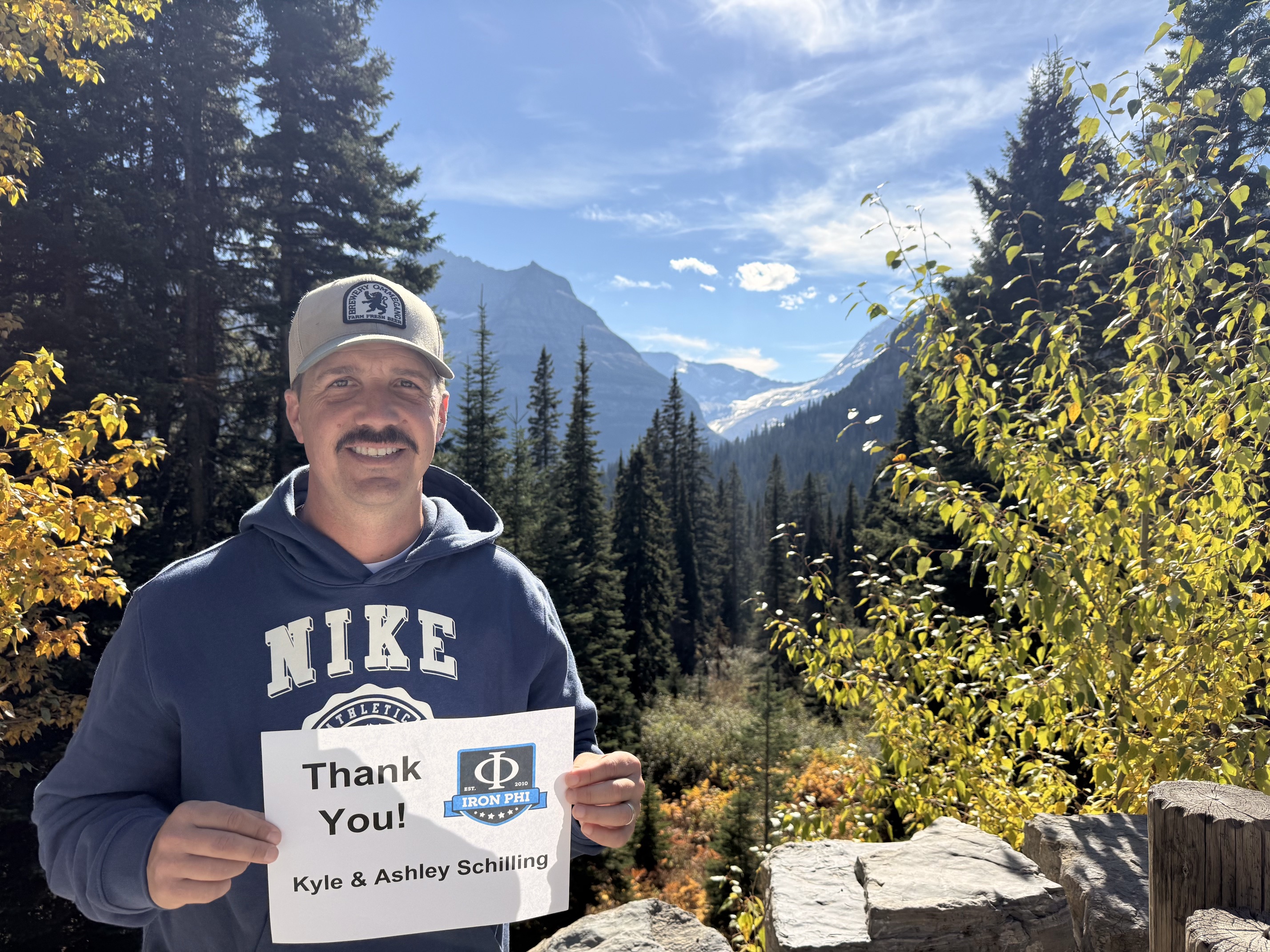
With a half marathon of hiking under our belt, we were ready to get in the van and do some driving. We let the Continental Divide push us East for a few more classic Glacier views. Jackson Glacier Overlook is one of the easiest places in the park to see an actual glacier from the road, and it is among the park’s largest remaining glaciers. I thanked Kyle and Ashley Schilling, two national park-loving Chattanoogans for their donation. I’ve enjoyed seeing updates from afar of their son Graham rocking the cross-country lifestyle.
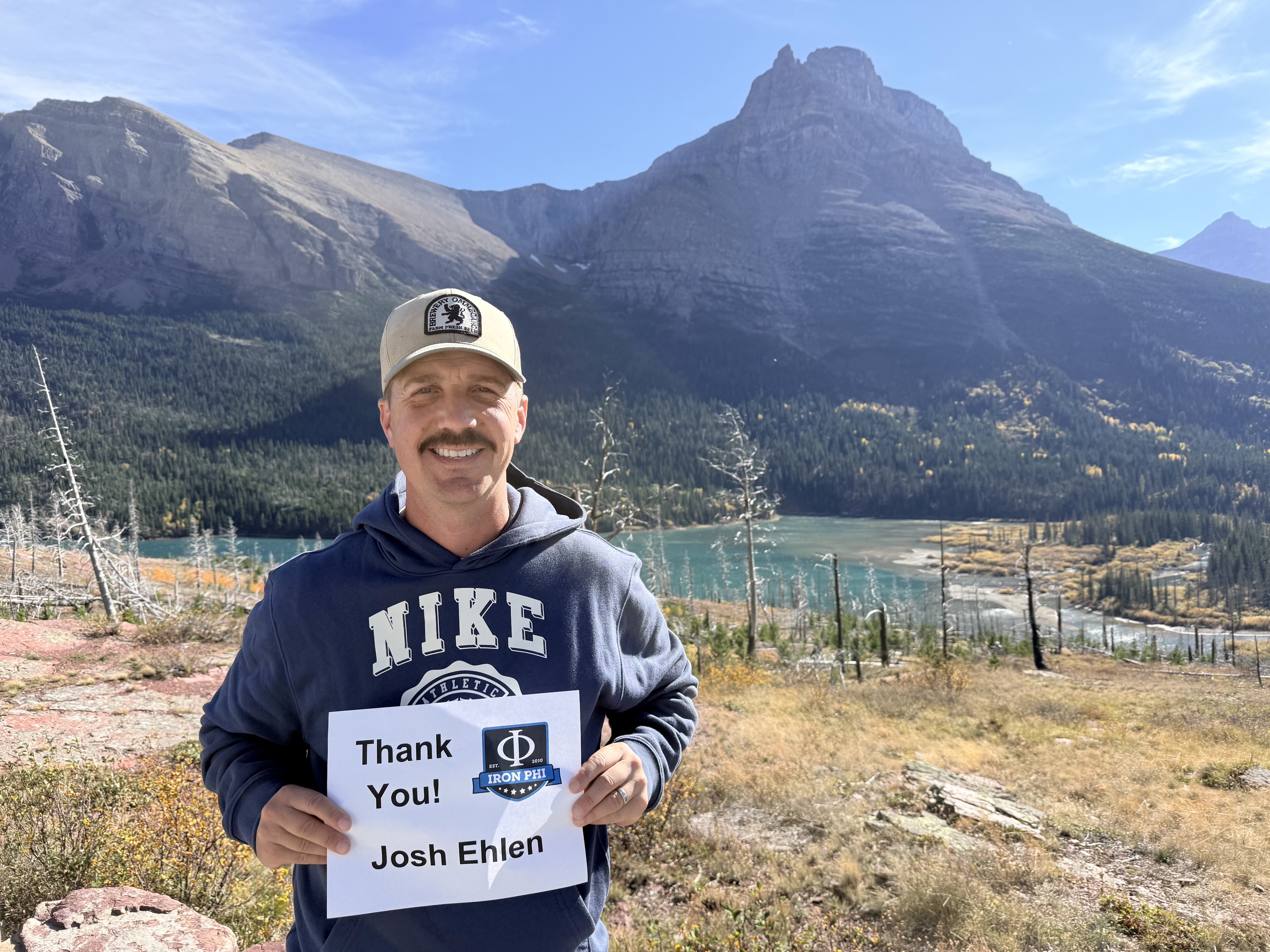
St. Mary Lake is Glacier’s second-largest lake, stretching nearly 10 miles to the East entrance of the park. Glacier both welcomes you and bids adieu with giant narrow lakes. Barely able to keep my eyes open, I thanked Josh Ehlen again for his incredible support.
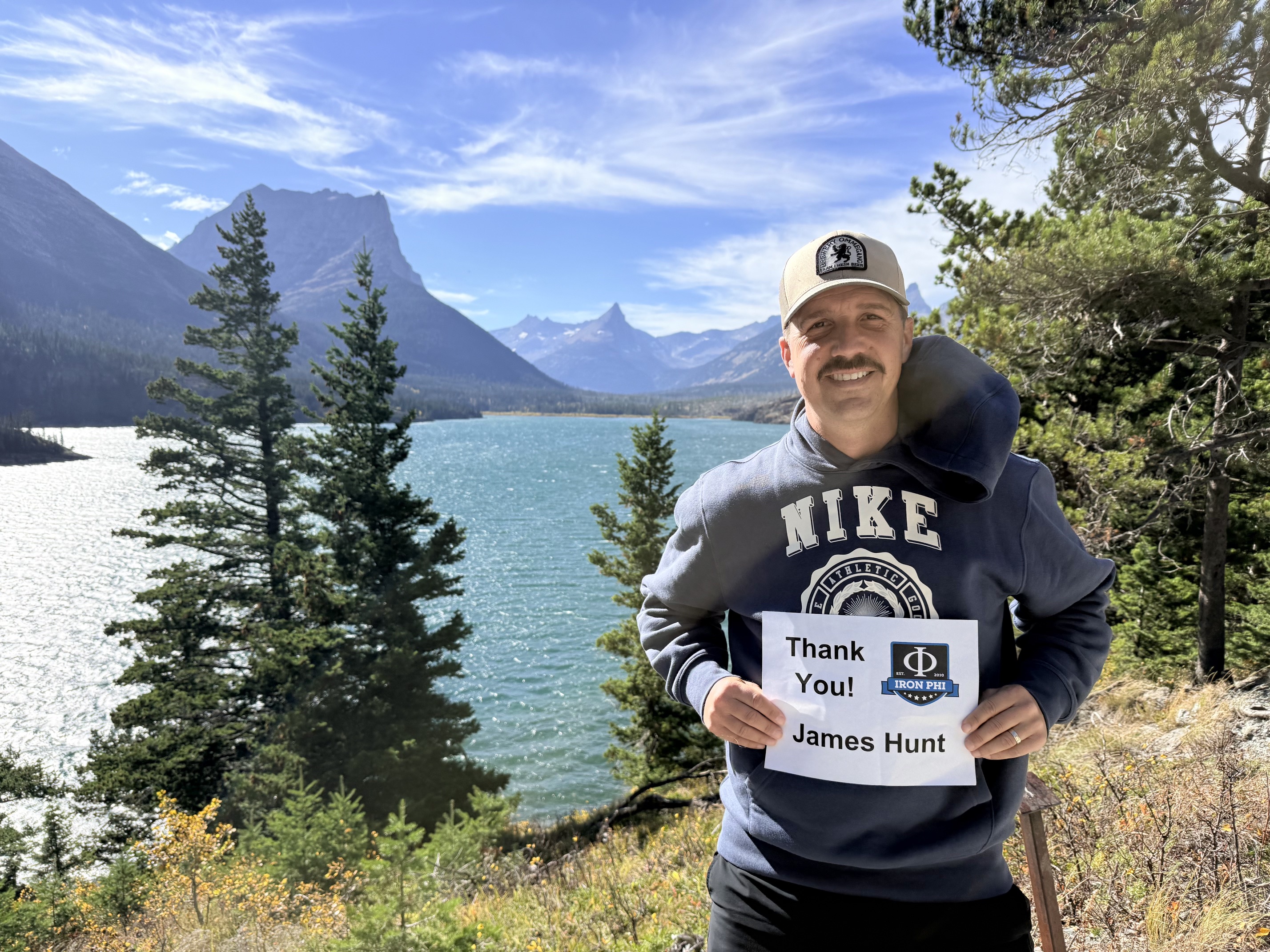
The wind began to pick up as we took the short walk from the parking lot to Sun Point Overlook, a scenic viewpoint above St. Mary Lake. I thanked another great Phi Delt, James Hunt, who shared pictures with Kerrie and me that evening of his family hiking in a lot of snow at Logan’s Pass in July. Crazy.
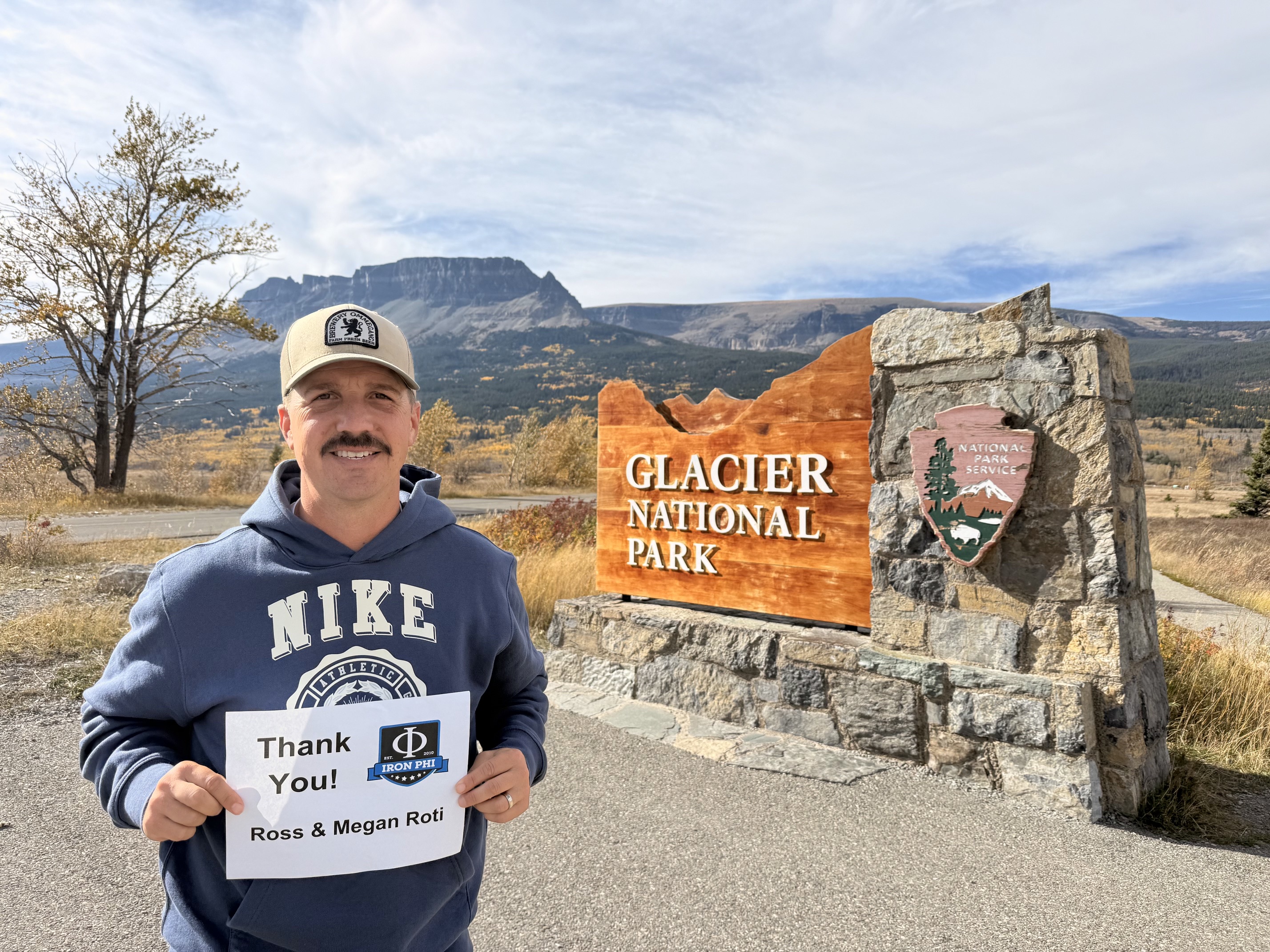
We made it to the East entrance of the park which would be our second of three welcome signs for the day. Especially this time of the year, this entrance is very quiet, but it provided for the calm we needed to thank Ross and Megan Roti again. Famished, we were excited to hit the gas station/restaurant just outside the park, but quickly learned that it had been closed for the season that morning. Awesome.
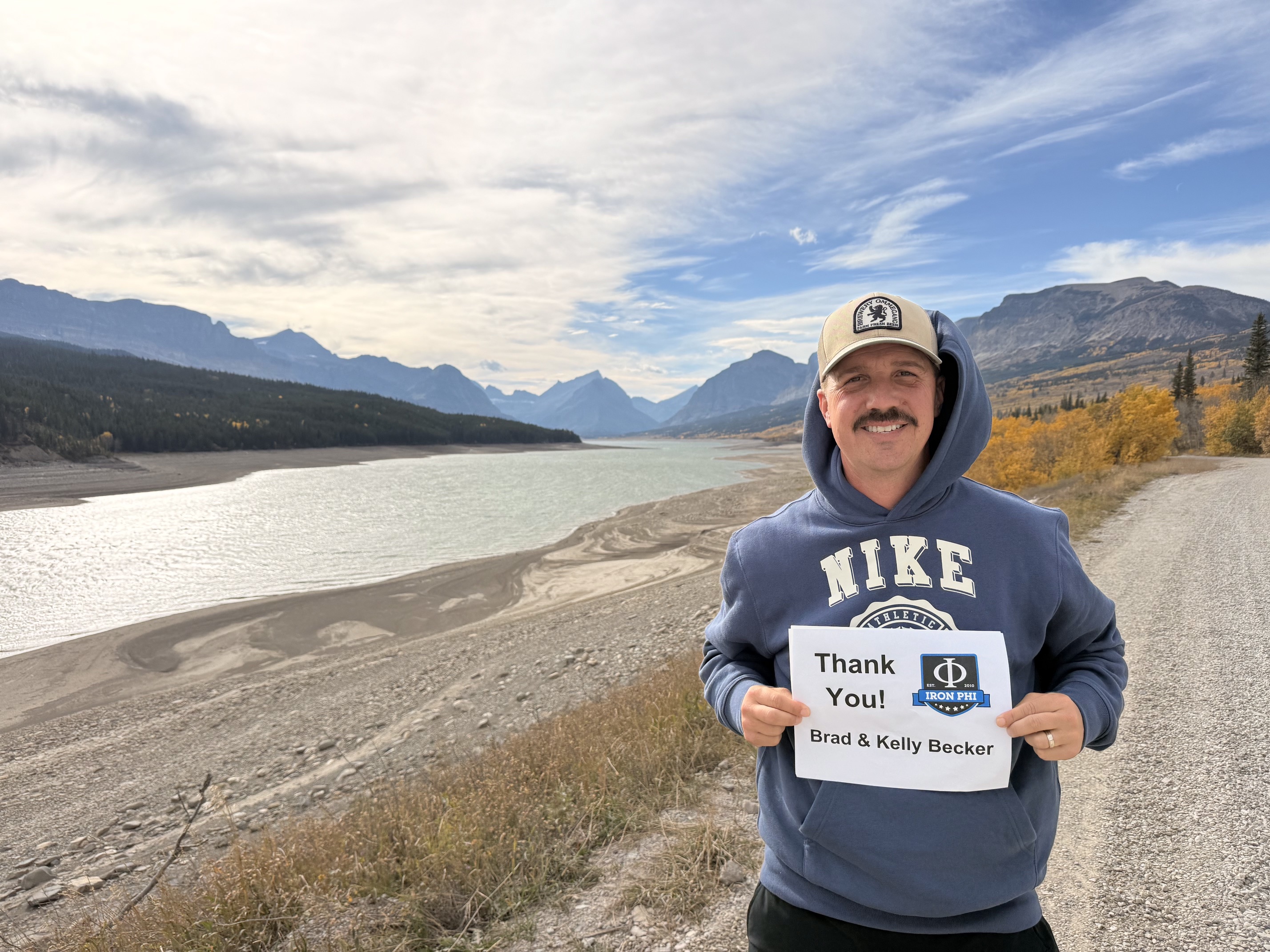
Initially, I had planned to visit the Many Glacier entrance the next morning, but we had made great time, and powering through would give us an opportunity to sleep in and take it easy the next day before flying home. Approximately 45 minutes north from the East entrance, this entrance is the least visited, but it is the gateway to the spectacular Many Glacier region, often considered the heart of Glacier National Park. Many Glacier is famous for its rugged peaks, abundant wildlife, historic hotel, and access to outstanding hiking trails. I thanked Brad and Kelly Becker as the wind attempted to blow me over. Brad has been my musical guide and checkpoint this year as I’ve navigated the 1001 Albums You Must Hear Before You Die project. A must for those who love music!
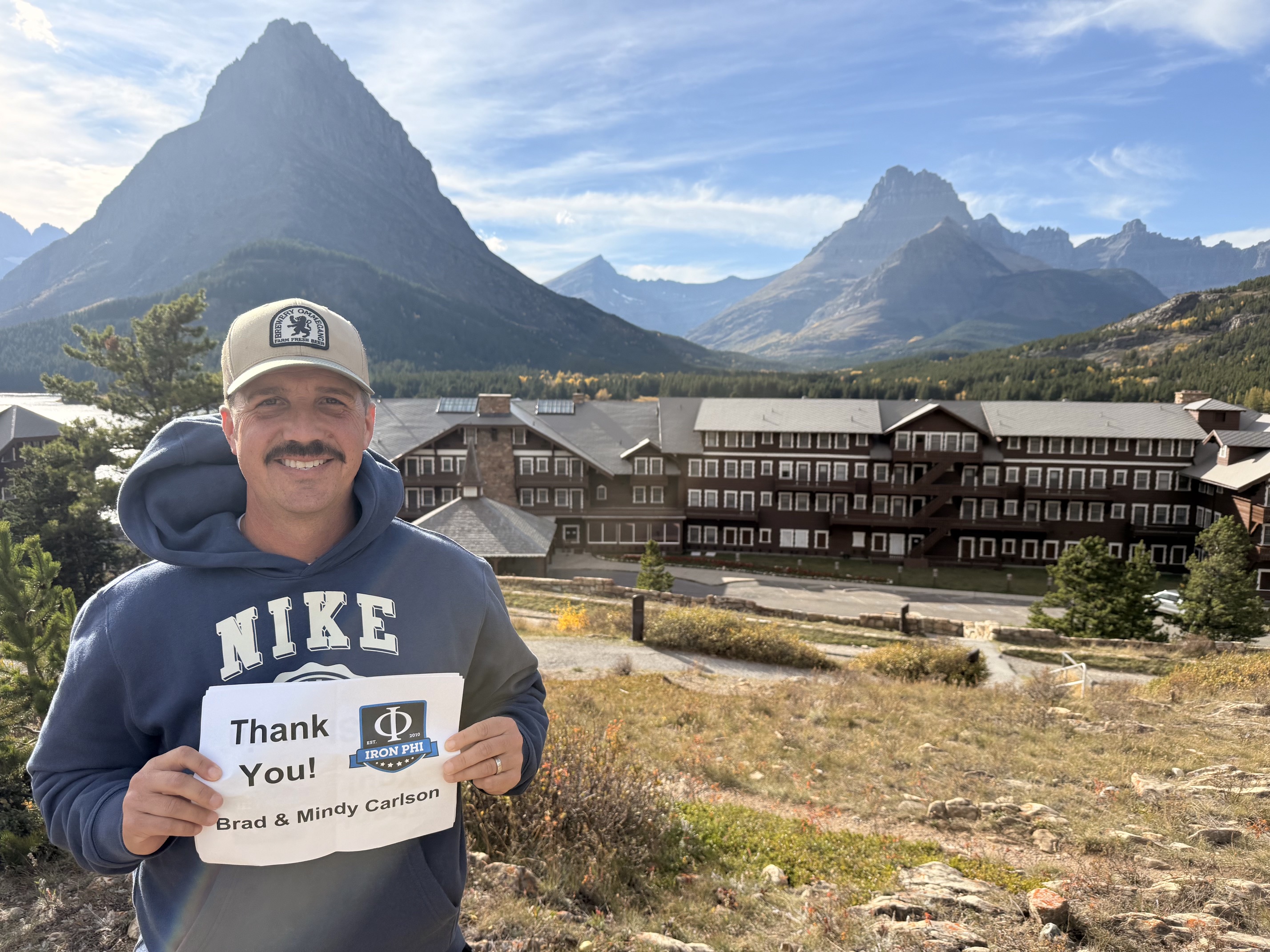
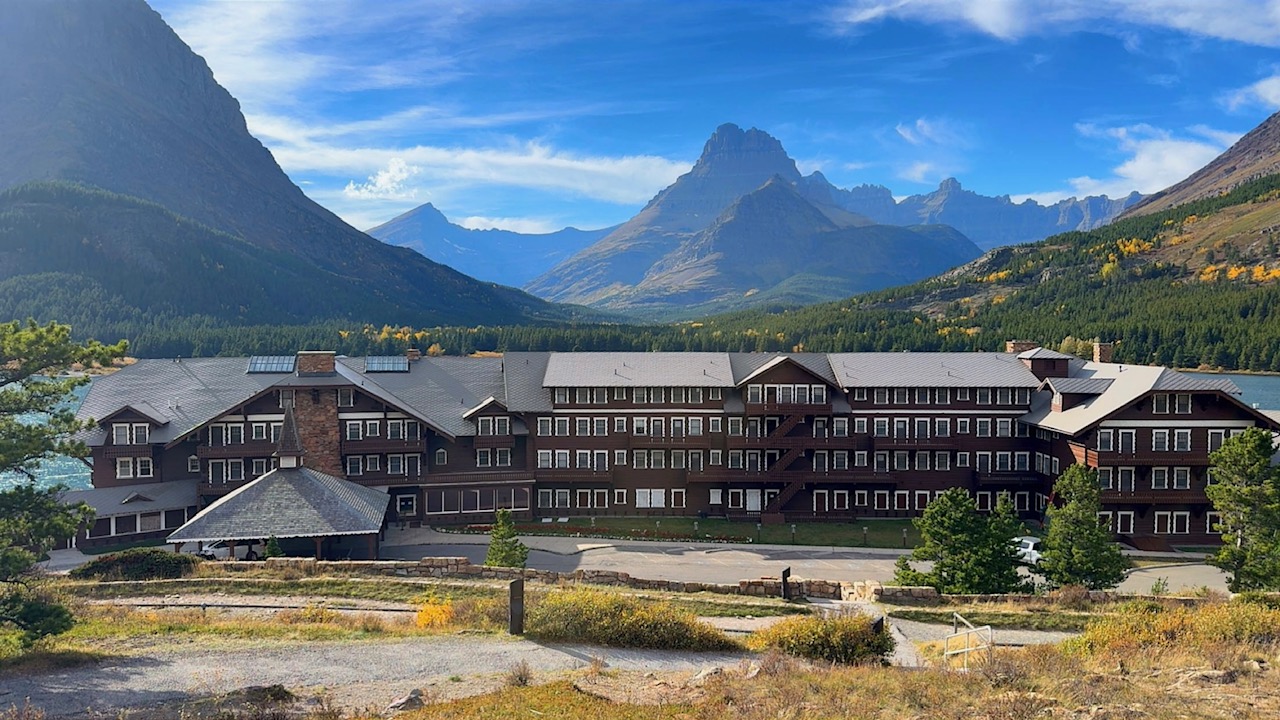
I must say, the Many Glacier Hotel may have been at the top of my excitement list for this trip. You don’t see too many scenes like this one. Opened in 1915, the historic Swiss chalet-style hotel sits on the shore of Swiftcurrent Lake. Built by the Great Northern Railway, it was designed to attract tourists to Glacier and remains one of the park’s most iconic buildings. Unfortunately, we couldn’t get inside as it was closed for the season. However, the true beauty is outside and its surroundings. I was excited to thank Brad & Mindy Carlson here as I knew it’d be spectacular.
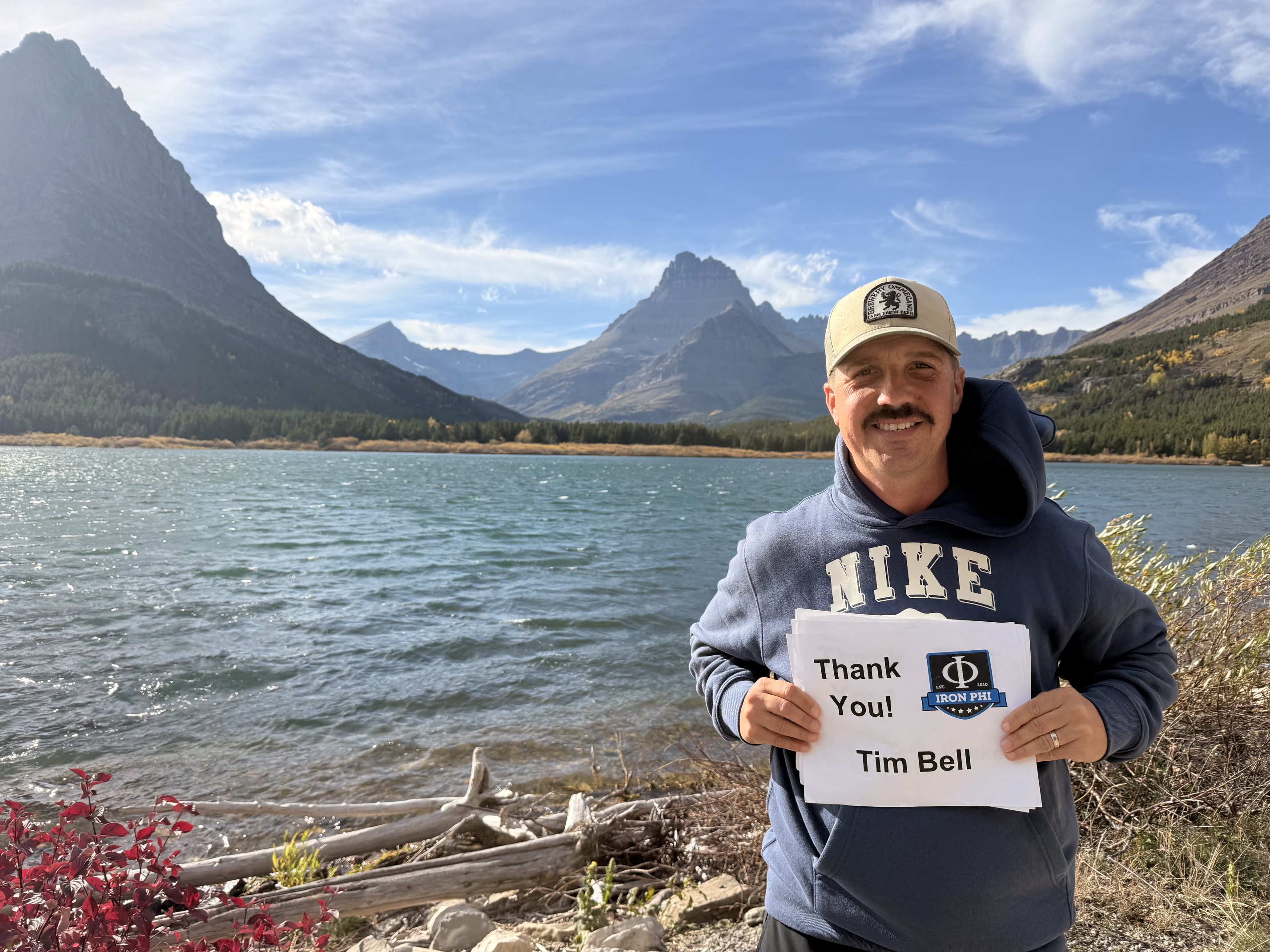
On the other side of the hotel is Swiftcurrent Lake, a beautiful mountain lake perfect for the hotel’s picturesque setting. There is 2-3 mile hike around the lake that we didn’t even consider for a second, but I did get to thank my father-in-law Tim Bell again.
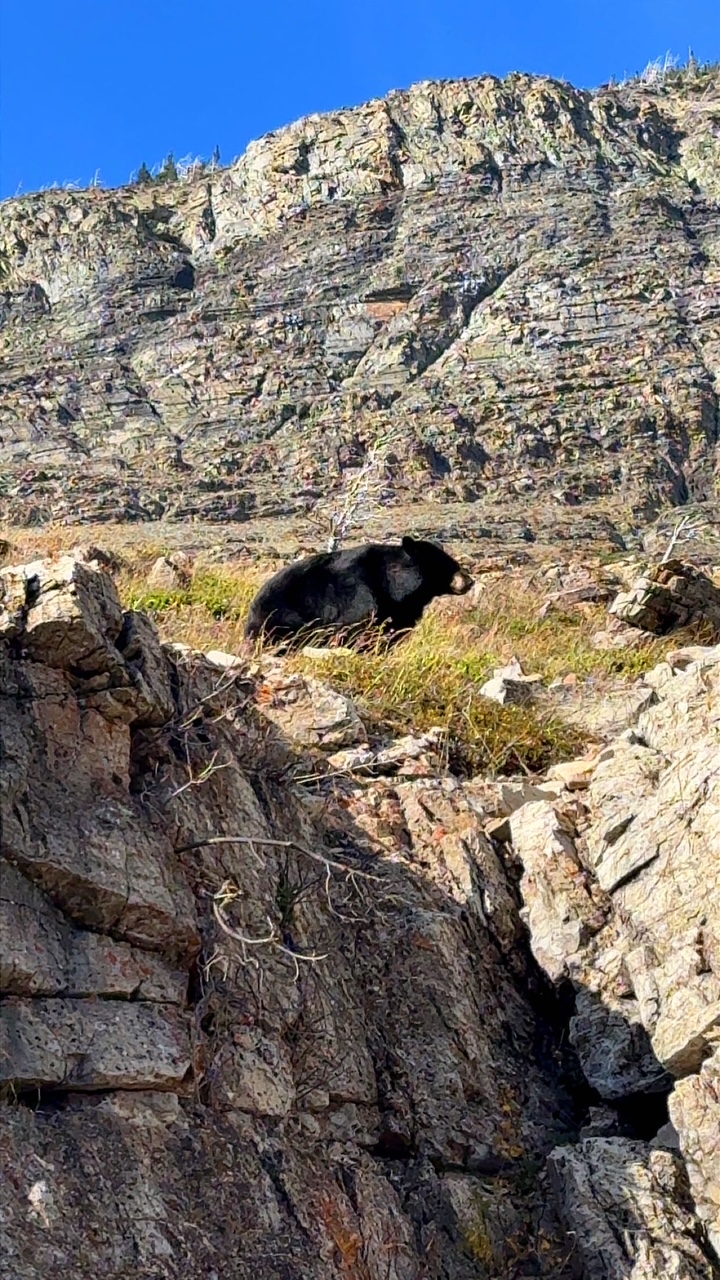
As we were leaving the area, we saw a gaggle of cars stopped with people outside cameras in hand. That could only mean one thing – BEAR! At the beginning of the week, Kerrie and I had set the over/under for bear sightings at two. We were stuck on one, but lucky us, we saw two black bears and another grizzly all in one sighting in Many Glacier.
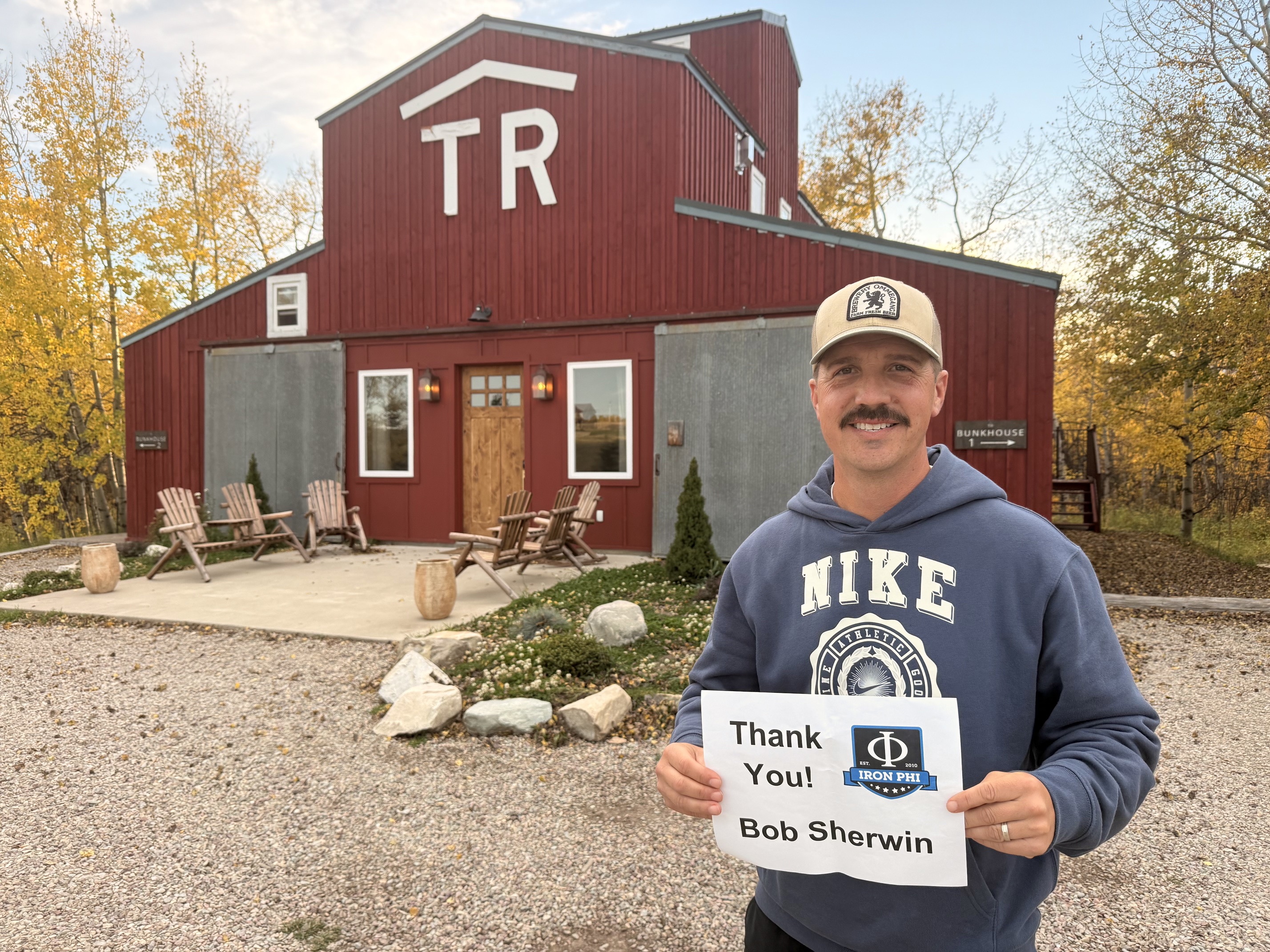
Fulfilled from an amazing day at Glacier, we exited the park, found some wings and fries at a roadside eatery on the Blackfeet Reservation, and drove South to the town of East Glacier, where we would stay for the evening. We stayed at the TR Lodge, a fun property that had a collection of bunkhouses and cabins. I had to show off its awesome dual bunkhouse property while I thanked Bob Sherwin again.
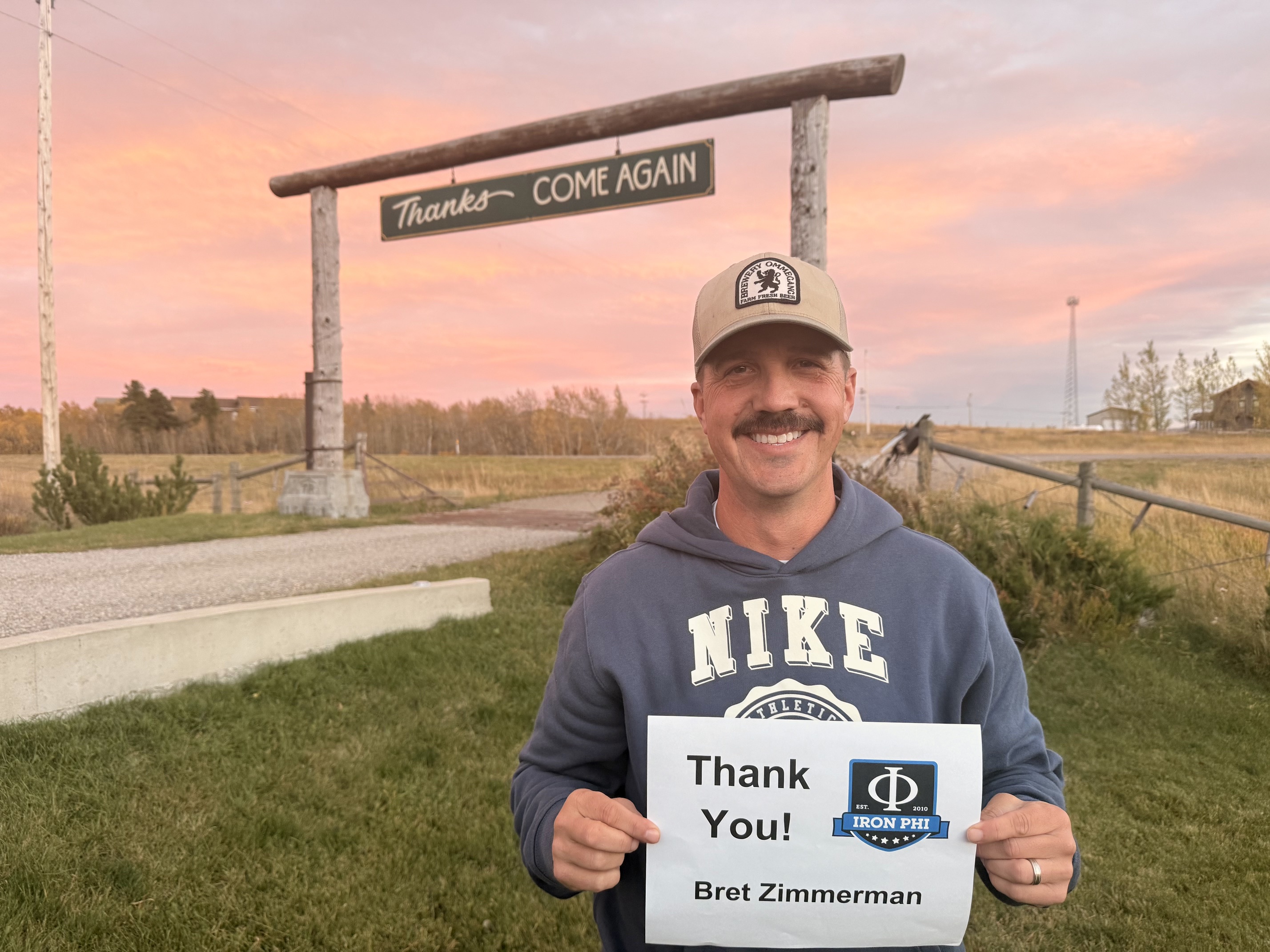
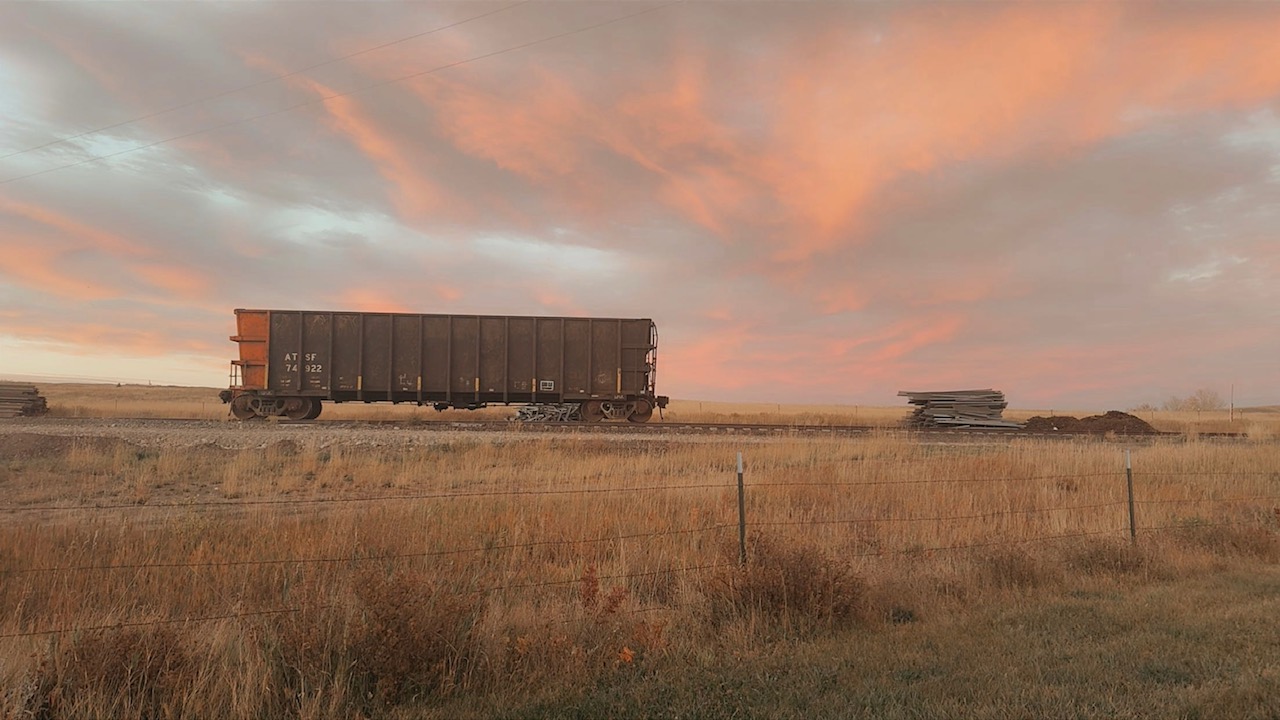
As the sun set, Kerrie and I enjoyed a few Rainiers on our cabin’s patio and recounted a memorable week. In true Montana fashion, the state wanted to leave us with an amazing sunset. I had a few Runner’s Choice signs left, so I thanked my great friend Bret Zimmerman who joined me on my running trip through Utah. This sunset felt very Utah-like.
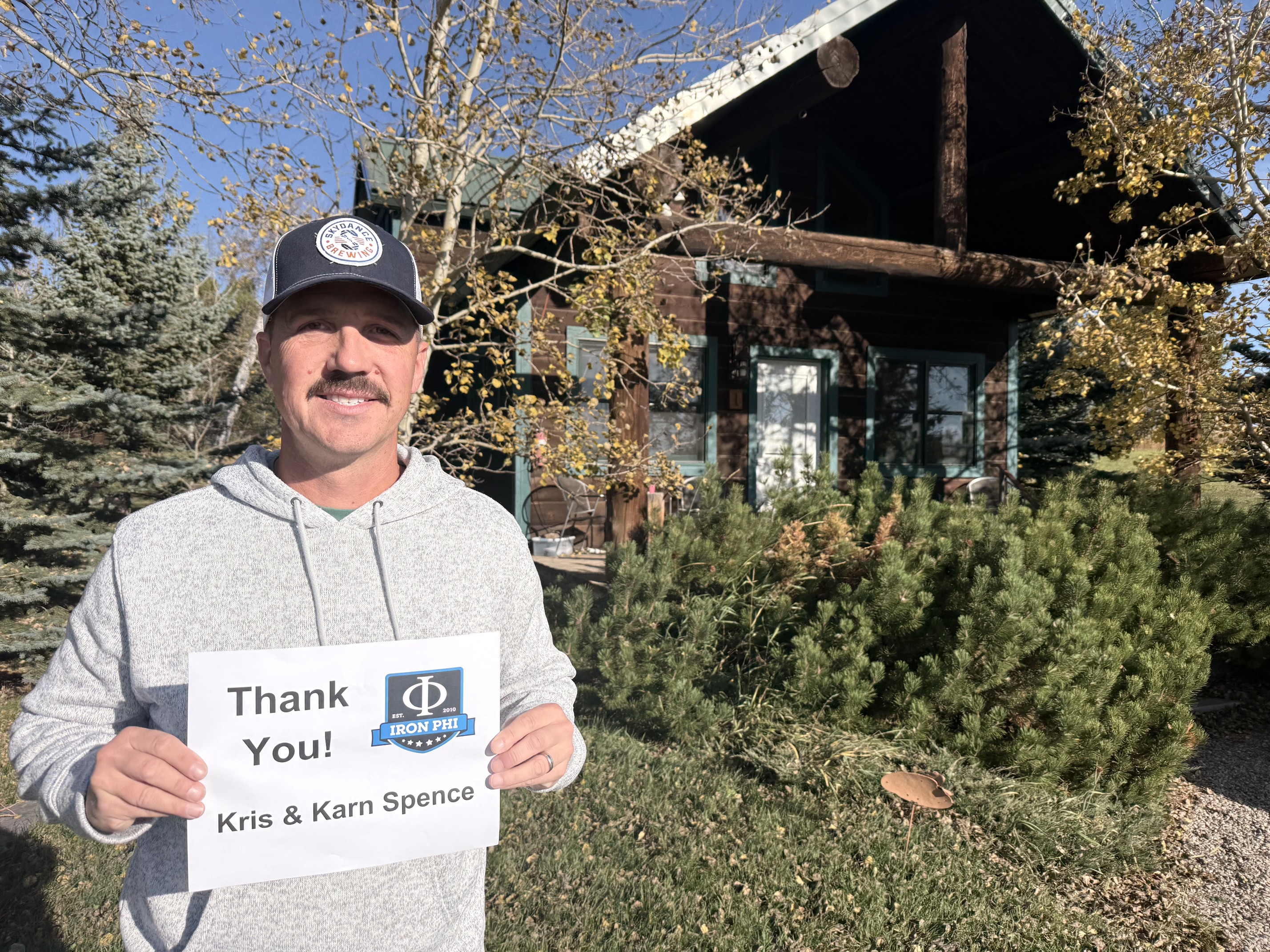
Rested but still in search of a hearty meal, we checked out of our cabin around 10am the next morning as we prepared for the trek back to Glacier Park International Airport. I made sure to show off our fun cabin by thanking our Cincinnati Iowa State Cyclone friends Kris and Karn Spence. Tillie and I enjoyed getting to know Kris and Karn when we were involved with the Iowa State Alumni Association club in Cincinnati.
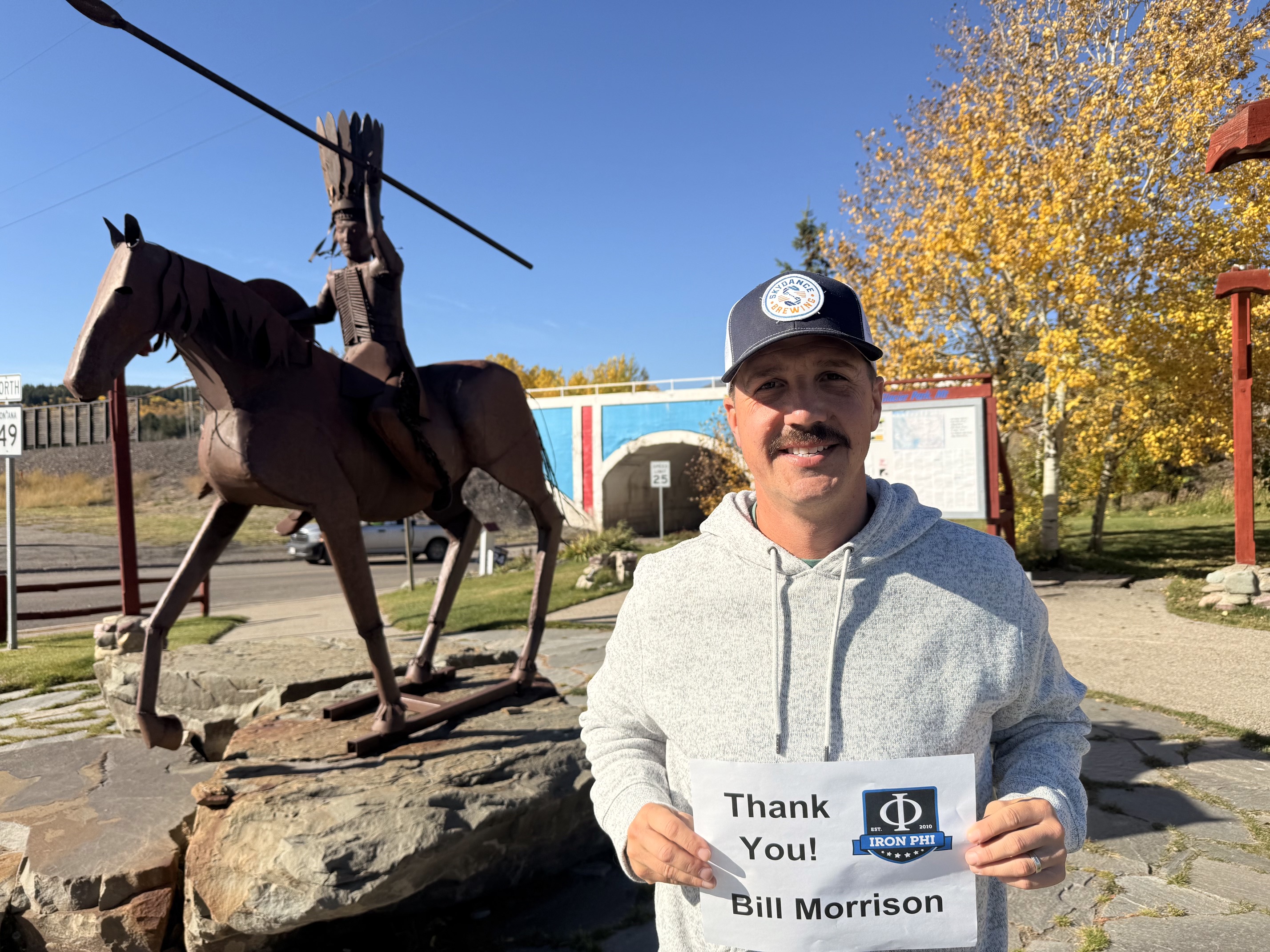
After giant omelets at Two Medicine Grill in East Glacier, we were satisfied and off to the airport. U.S. Highway 2 follows the southern boundary of Glacier National Park, connecting West Glacier with East Glacier Park. The scenic drive offers a beautiful alternative when Going-to-the-Sun Road is closed, or in our case, needing to get to the airport. Along the way, I found a few spots to say thank you, including one to Bill Morrison with a Blackfoot metal warrior.
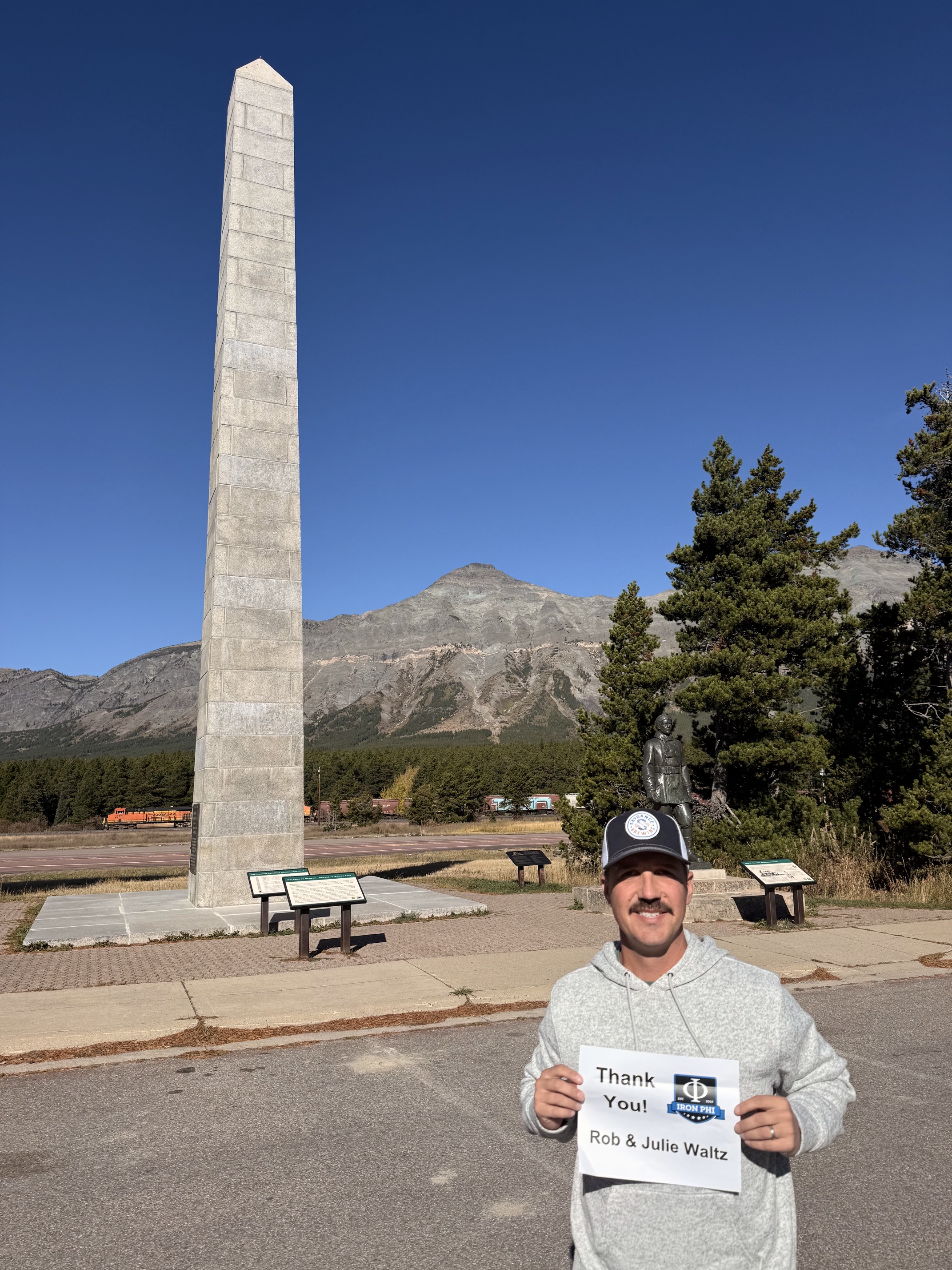
A thank you to Rob and Julie Waltz at the Marias Pass Obelisk that commemorates the 1806 exploration of the pass by Meriwether Lewis and the 1889 rediscovery of the route by John F. Stevens. Their work helped establish a vital railroad crossing of the Continental Divide, and we got to see it in full force as a train passed by in the background.
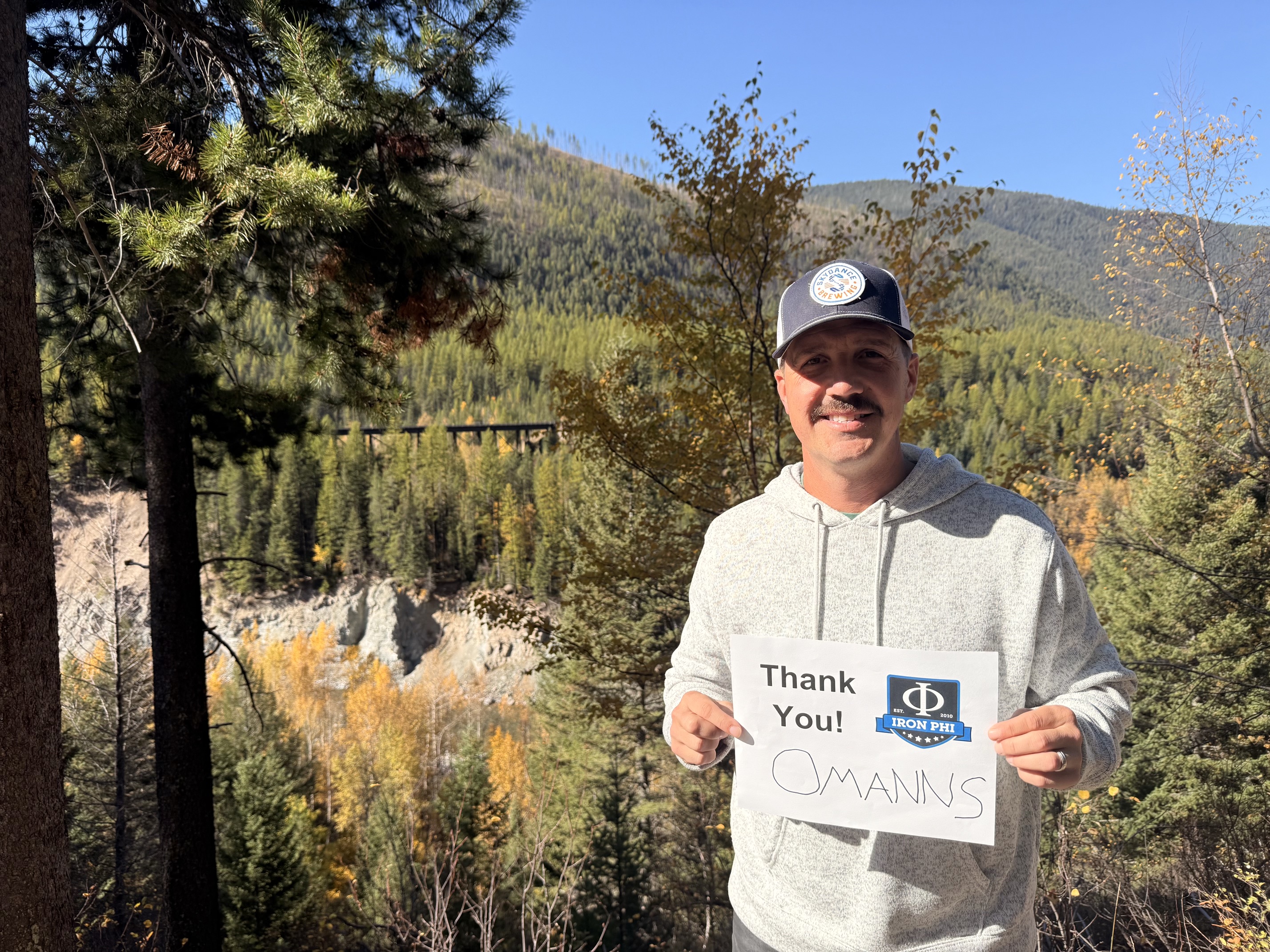
And finally, thanking Shane and Jenna Omann at the best-named overlook of the trip, the Goat Lick Overlook. Not surprisingly, we saw a goat. Everything really did work out well nicely on this trip.
We made it to Glacier Park International Airport, and all of the normal feelings started to sink in. My Iron Phi running trips are both exhausting and exhilarating, but at the end of the day, there is so much gratitude for those who helped make this trip a success, and I always love getting home to the crew. Now, to figure out where to explore next year.

