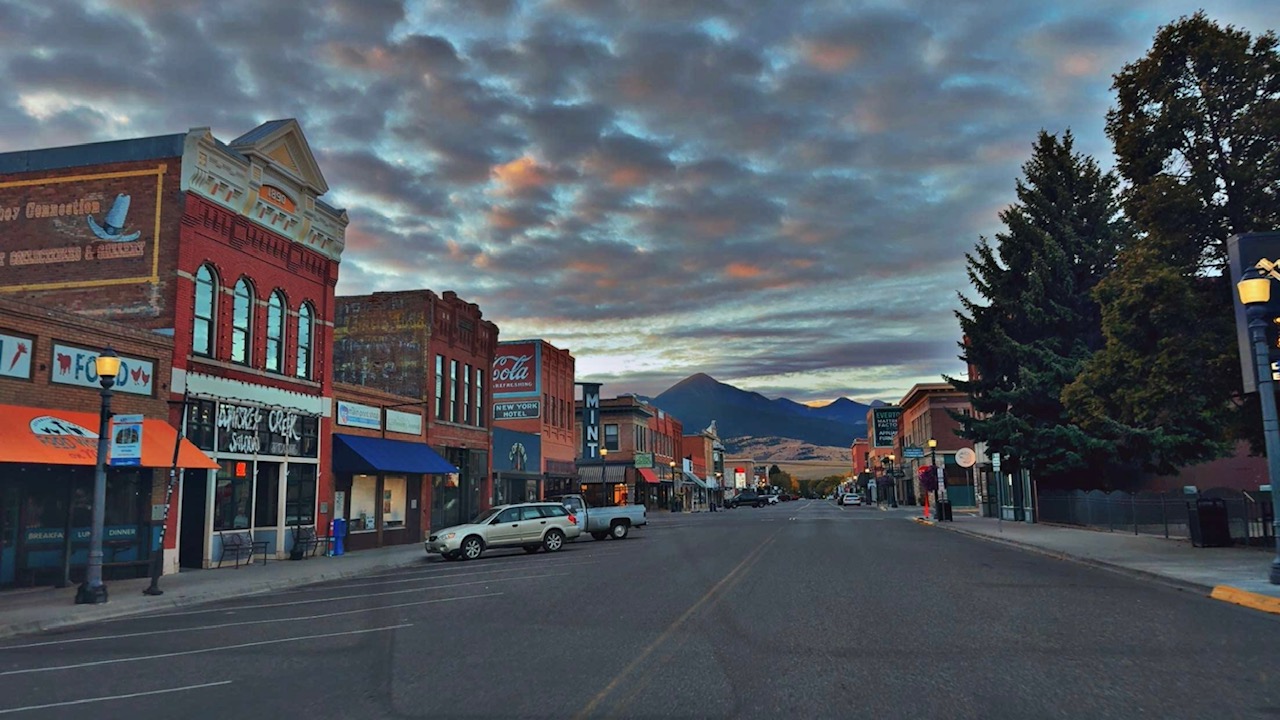
Thursday morning began early, and Kerrie and I hit the road at sunrise. Any tiredness that we had was quickly replaced by awe driving through Montana as the sun came up. We headed East to Livingston before heading South to Yellowstone. Livingston is a railroad town with a neat downtown.
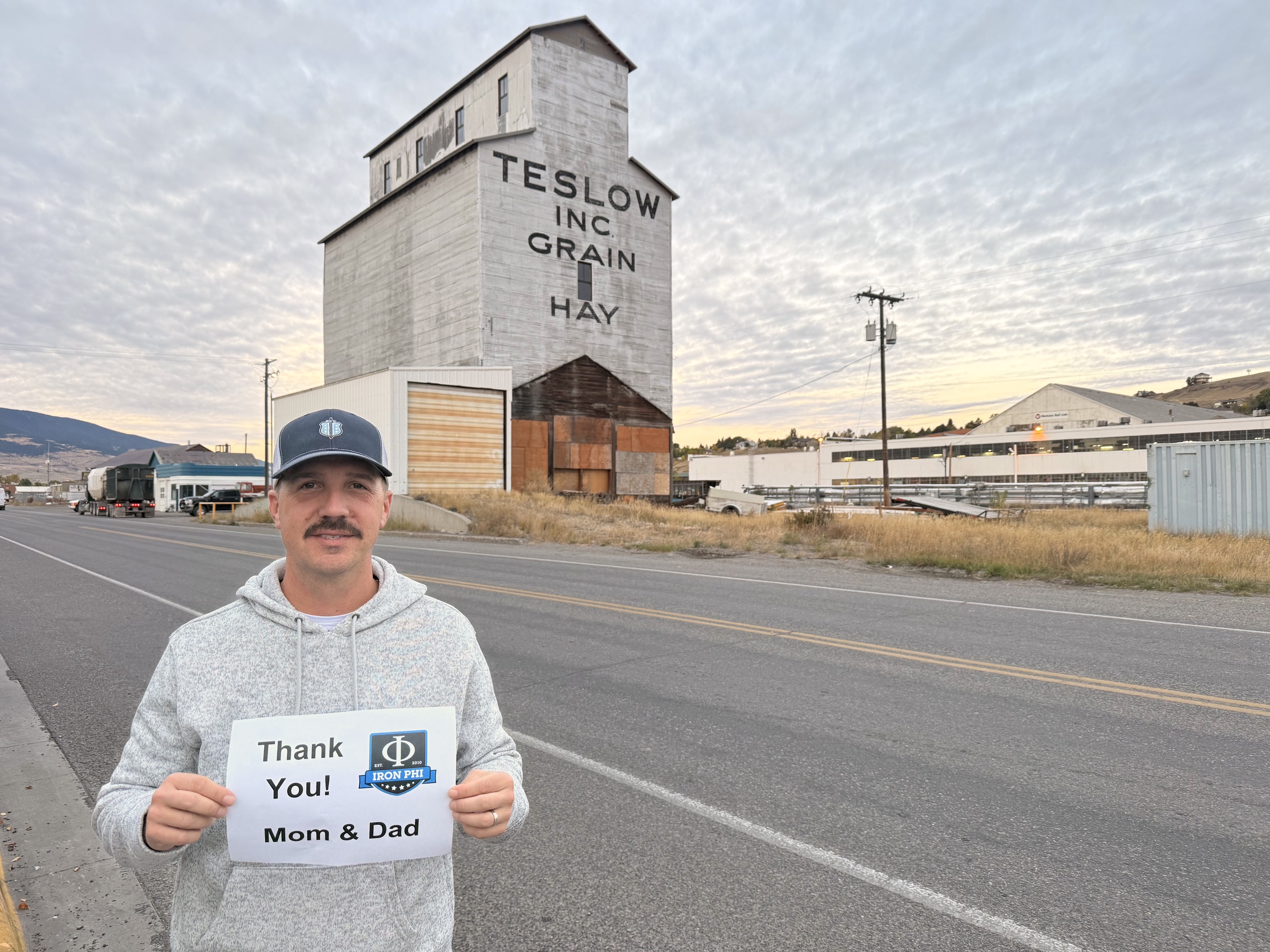
Driving into town, the Teslow Inc grain and hay structure caught my eye. I used the agricultural backdrop to thank my wonderful parents, Bill & Lindy Good, for their donation. We Iowans love a good grain building, and this was one of the more unique ones I’ve seen.
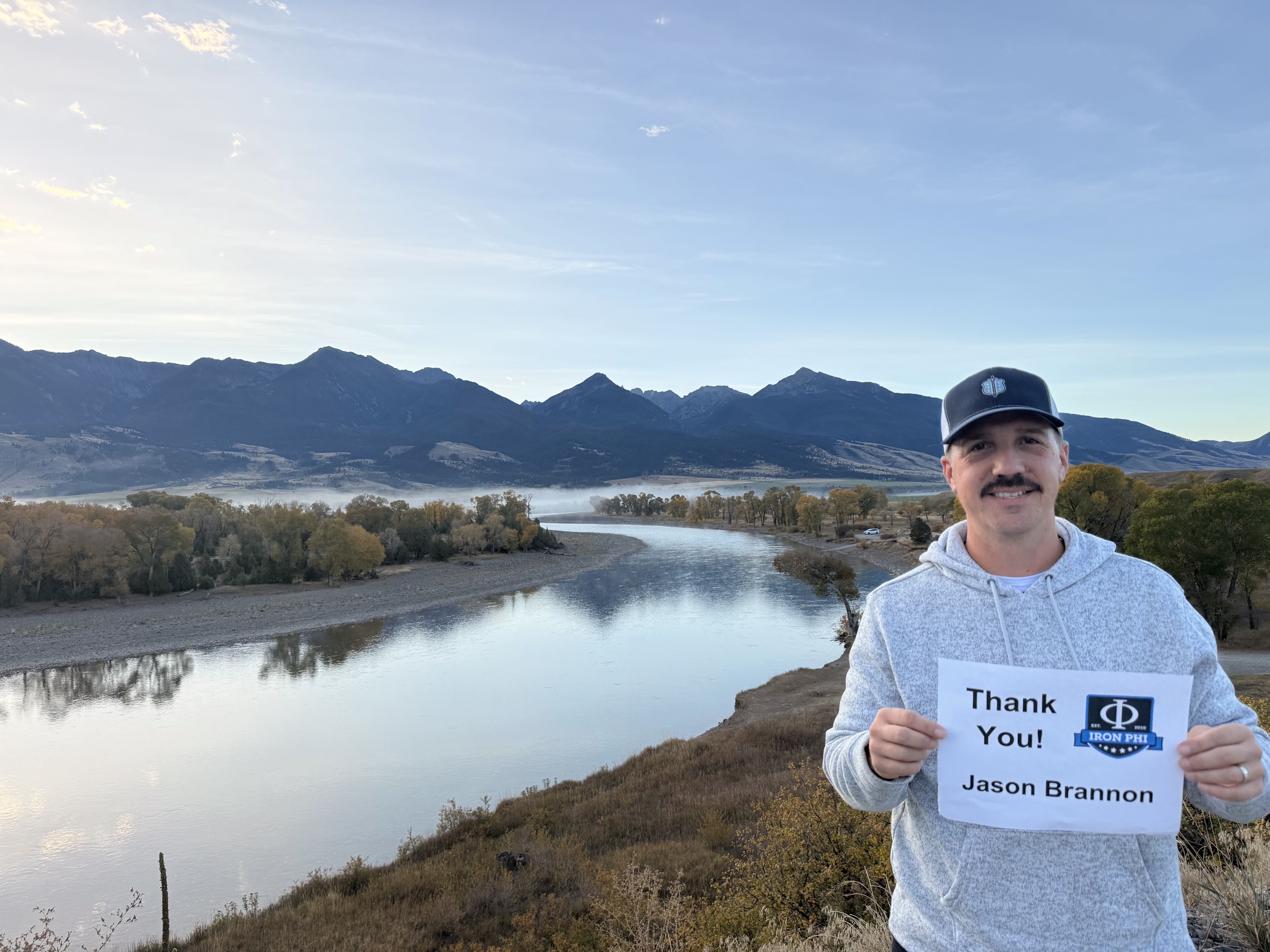
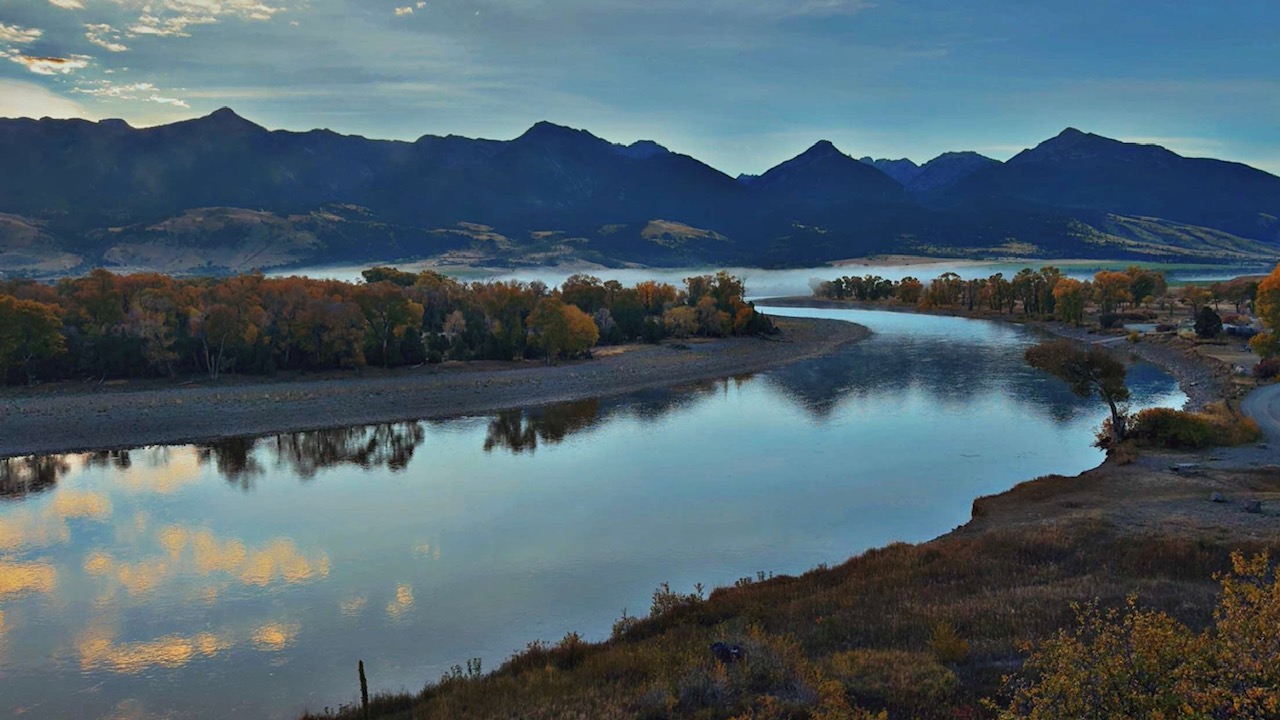
Paradise Valley stretches between Livingston and Gardiner, Montana, and is a spectacular corridor surrounded by the Absaroka and Gallatin mountain ranges. The Yellowstone River winds through the valley, giving the drive the best of all worlds. We pulled off at a campground that offered an amazing scene. Jason Brannon, a fellow Iowa State Phi Delt, gets the award for “the unexpected donation of the trip.” Kerrie asked me if I knew a guy named Jason Brannon, and I immediately knew why. A big shout to Jason for supporting both of us!
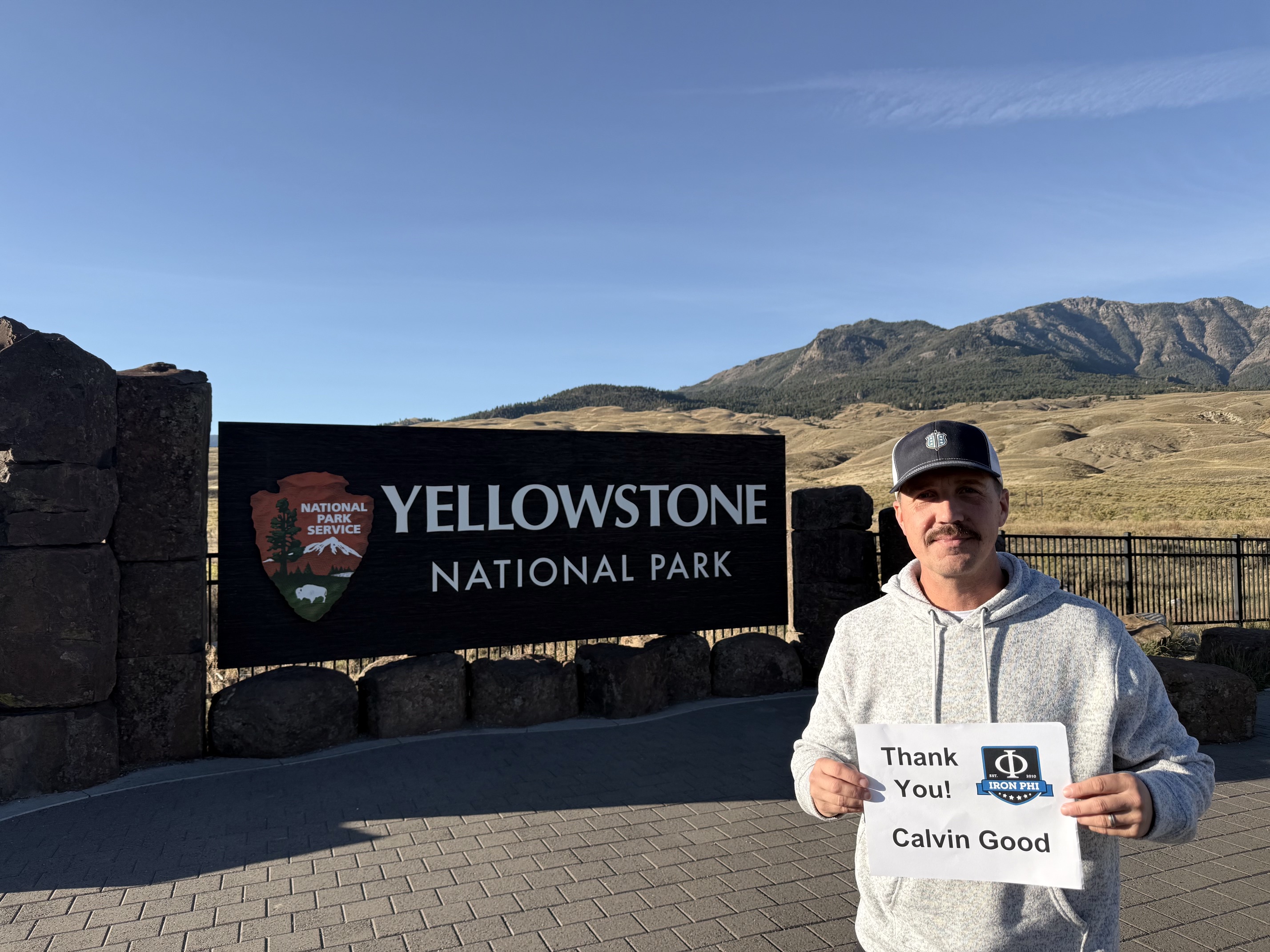
Established in 1872, Yellowstone became the first national park in the United States and is widely recognized as the world’s first national park. Its creation helped inspire the national park movement around the globe. Most of the park is in Wyoming (96%), but portions extend into Montana (3%) and Idaho (1%). Did you know that Yellowstone is bigger than Rhode Island and Delaware combined? We kicked off our Yellowstone adventure at the welcome sign in Gardiner, and I took the opportunity to thank my main man (son) Calvin. Cal wanted me to make sure that people knew that he donated his own money to my Iron Phi effort, and I agree, that’s pretty cool. He’s also on me about becoming an Iron Phi himself, so the future running trip idea wheels are turning. There has been no greater joy in life than to see our kids grow, and Cal makes me proud every day.
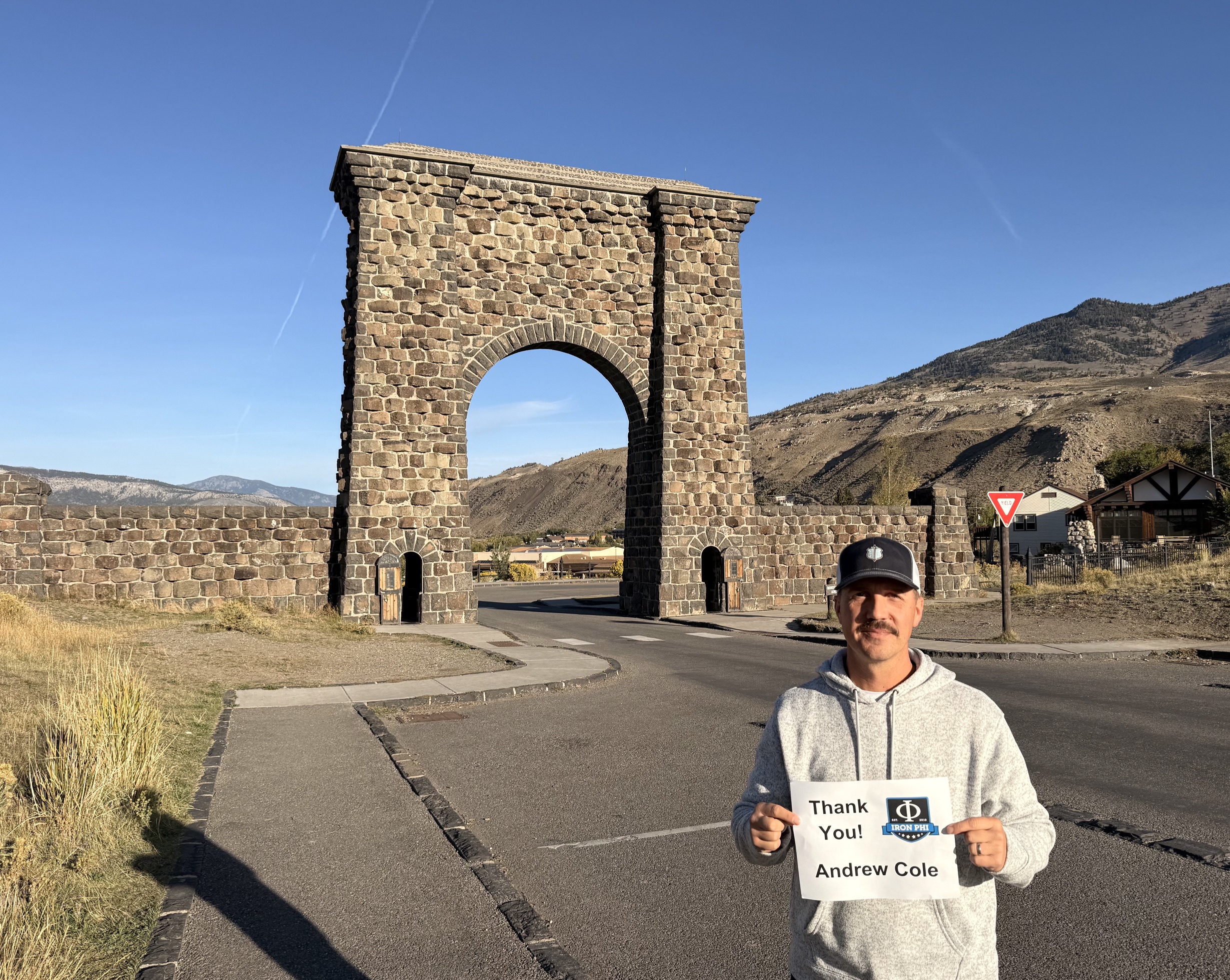
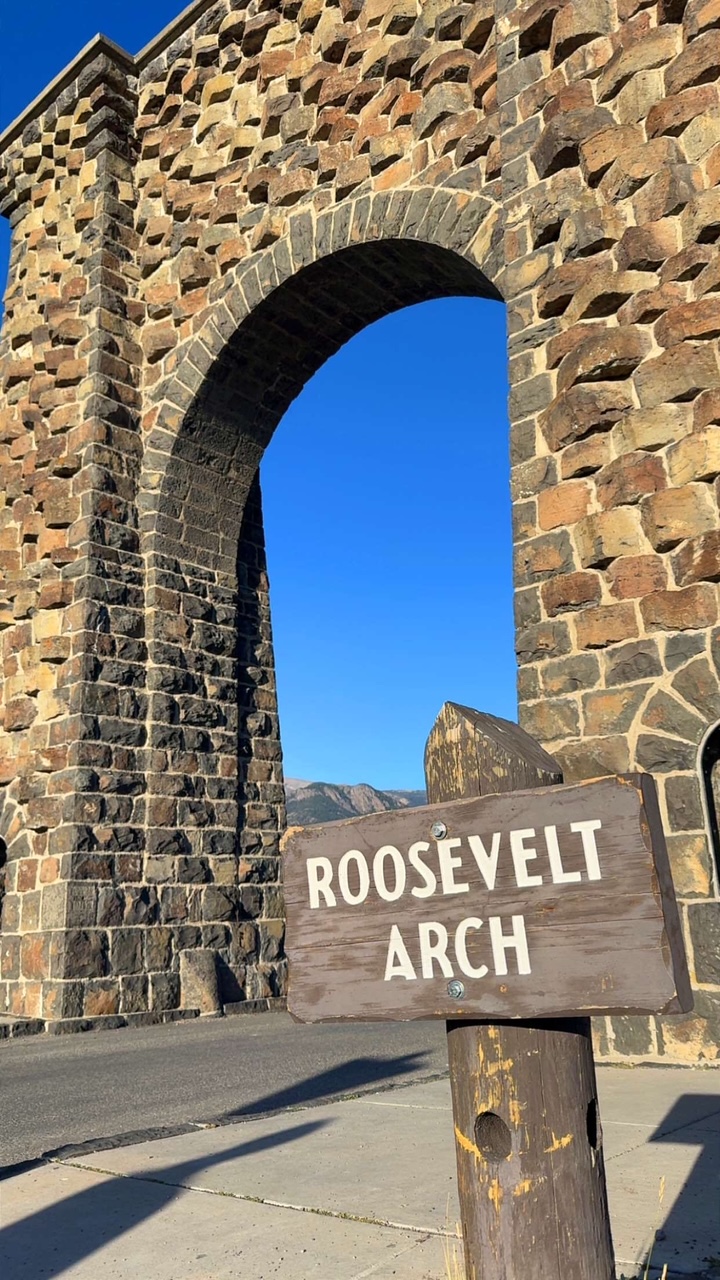
Roosevelt Arch is located at Yellowstone’s north entrance and is one of the park’s most recognizable landmarks. Dedicated in 1903 by President Theodore Roosevelt, its stone construction and famous inscription, “For the Benefit and Enjoyment of the People,” symbolize Yellowstone’s role as the world’s first national park. My National Park-loving colleague Andrew Cole snatched this landmark early, and I was excited to thank him here.
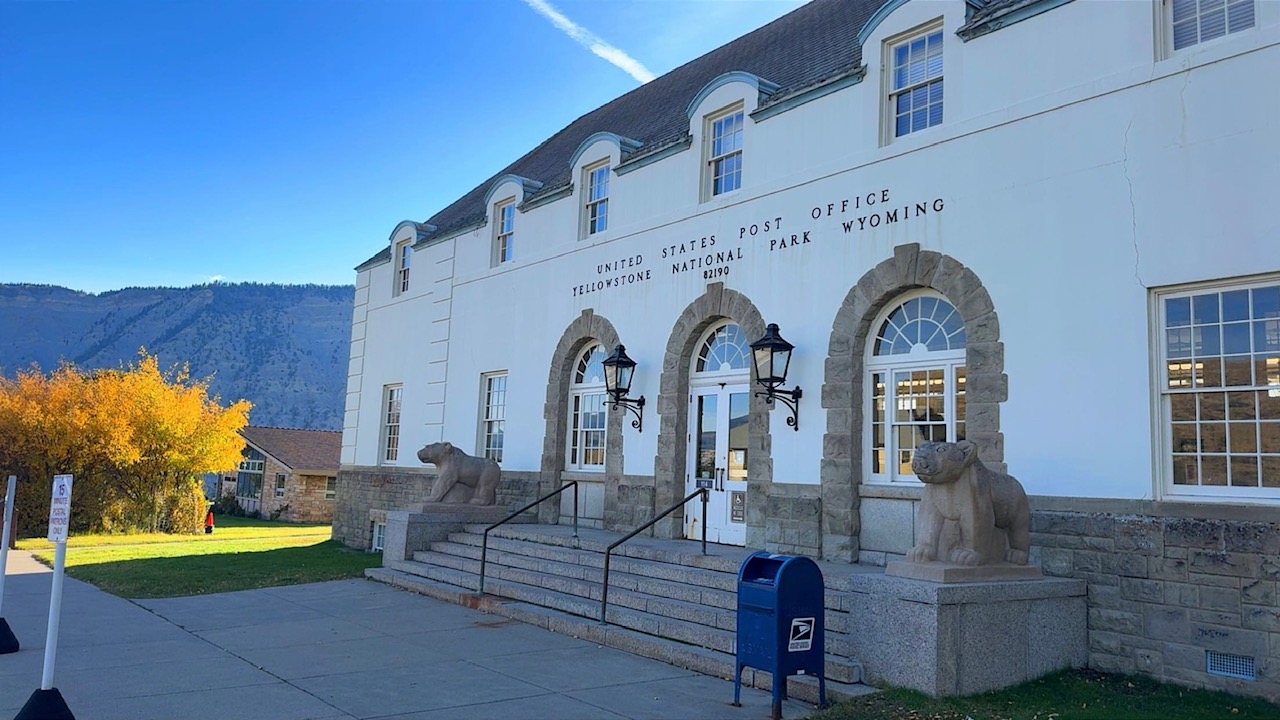
Kerrie has a fun travel habit of sending his kids postcards from wherever he visits, so it’s been fun to find them during our travels to send back to Kansas City. While we struck out finding them at the Yellowstone post office (go figure), I wasn’t mad about the views while I waited outside. The Montana colors right now are dynanite.
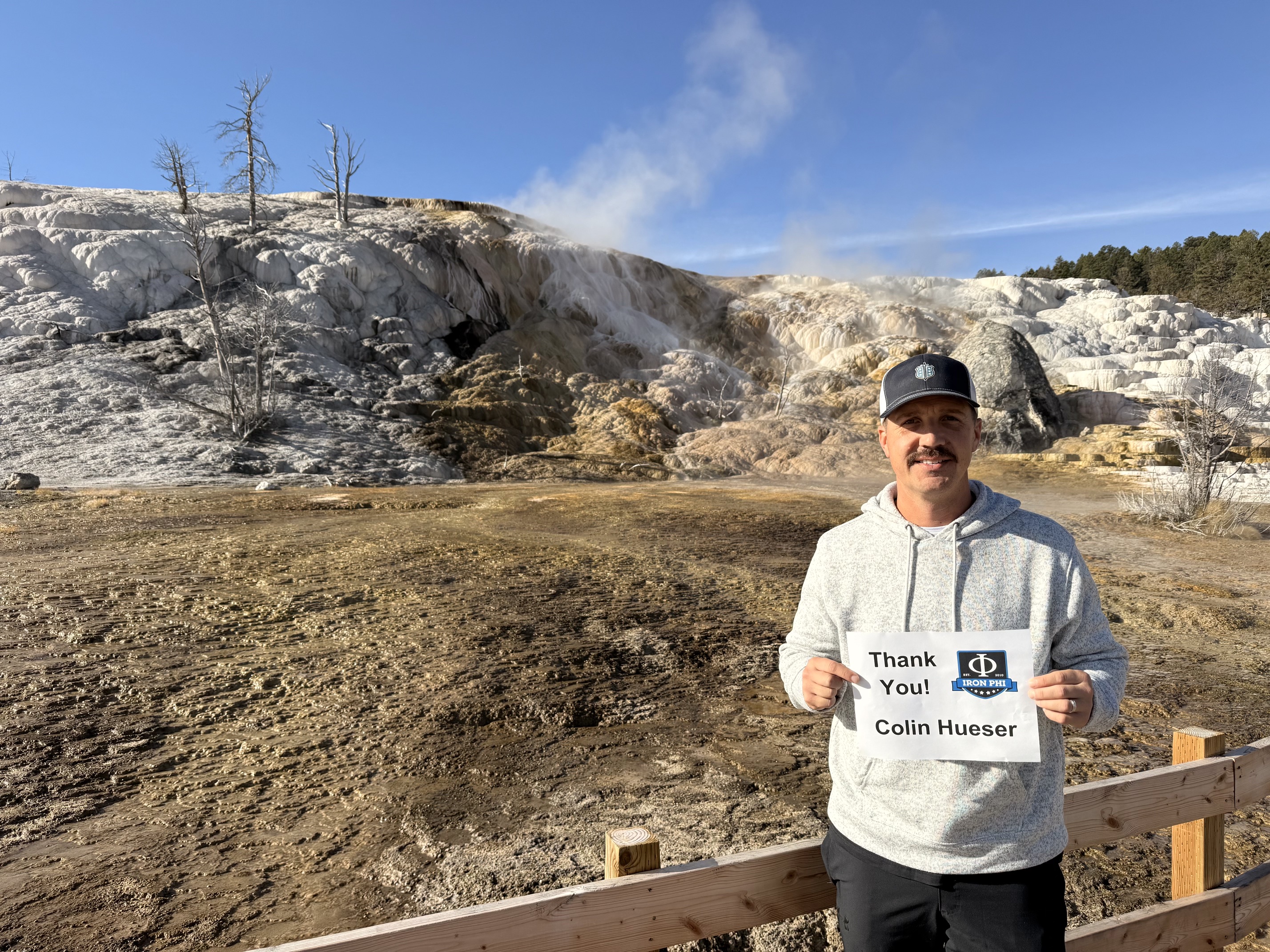
My favorite thing about Yellowstone National Park is that you will see landscapes that you’ve likely never seen before. You’ll notice steam rising from the land in many of the pictures below. Why? Because the park is a supervolcano. Mammoth Hot Springs is a remarkable collection of limestone terraces formed by hot, mineral-rich water flowing from underground. I’ve been here twice, and in both cases, I’ve had the same frustration – It’s very tough to get a photo that truly shows off its beauty. I did my best thanking Colin Hueser, a fellow Iowa State Phi Delt who has worked for the Fraternity. No hot steam associated with that guy.
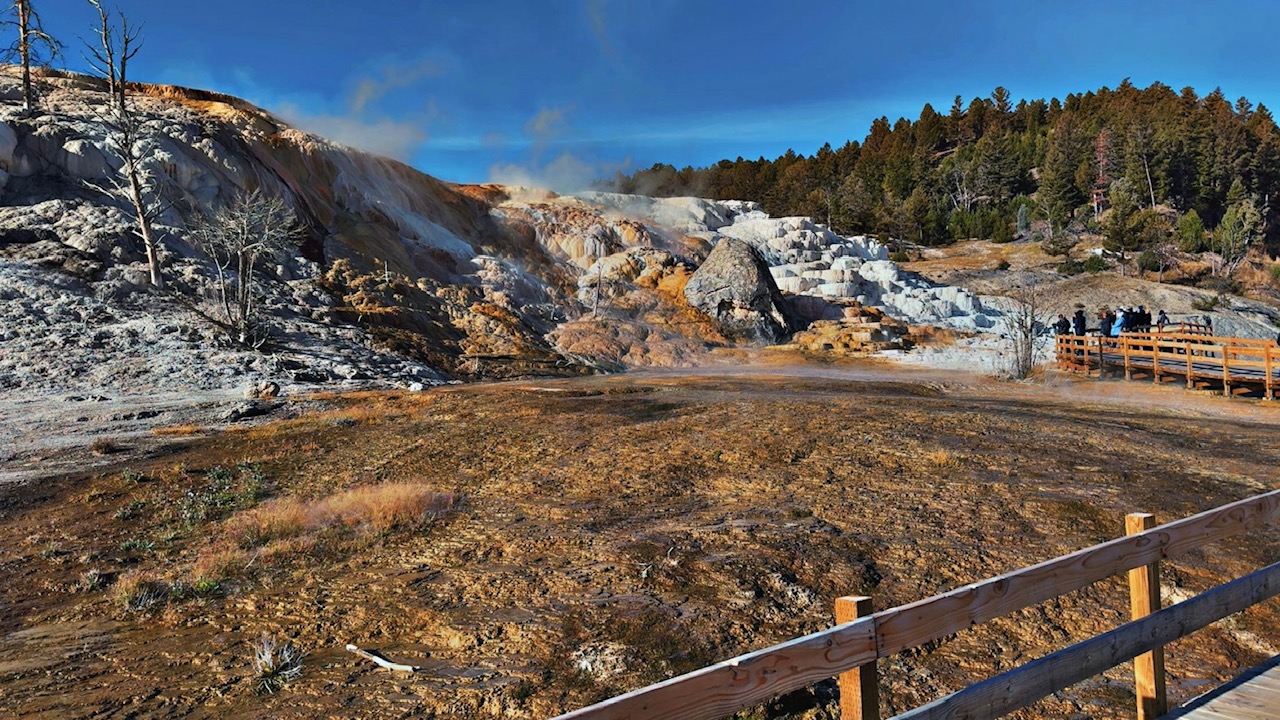
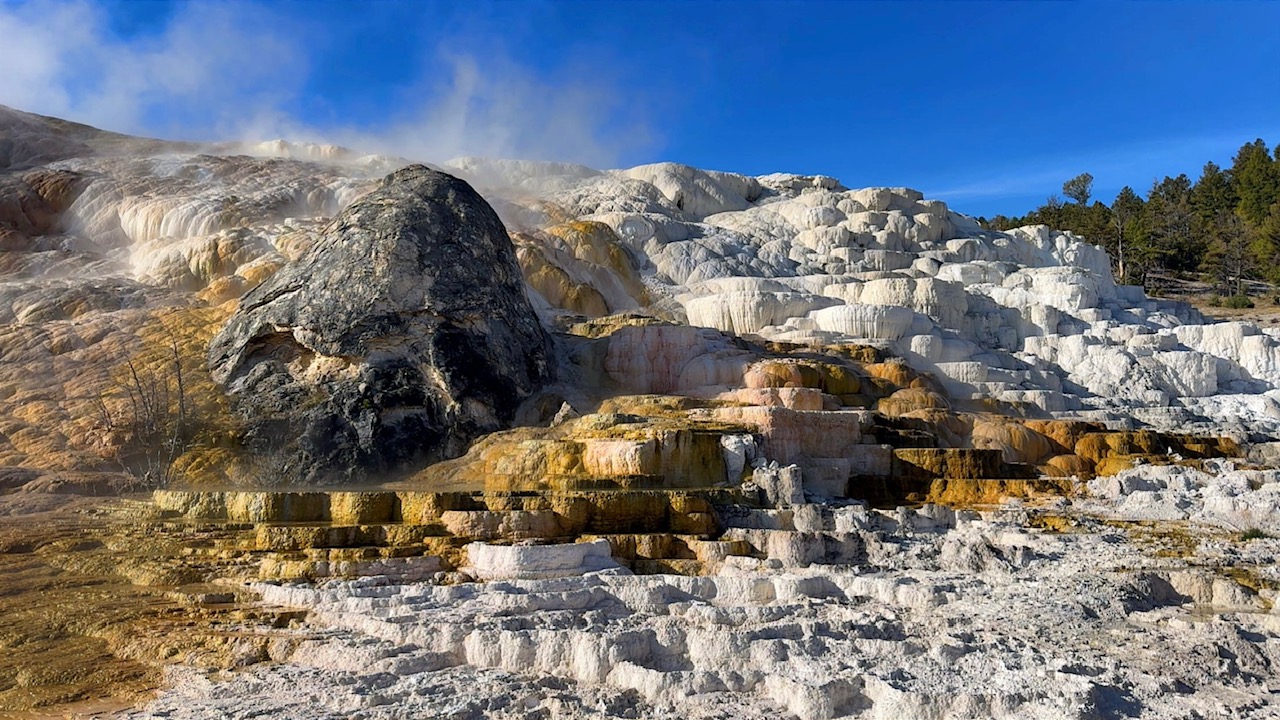
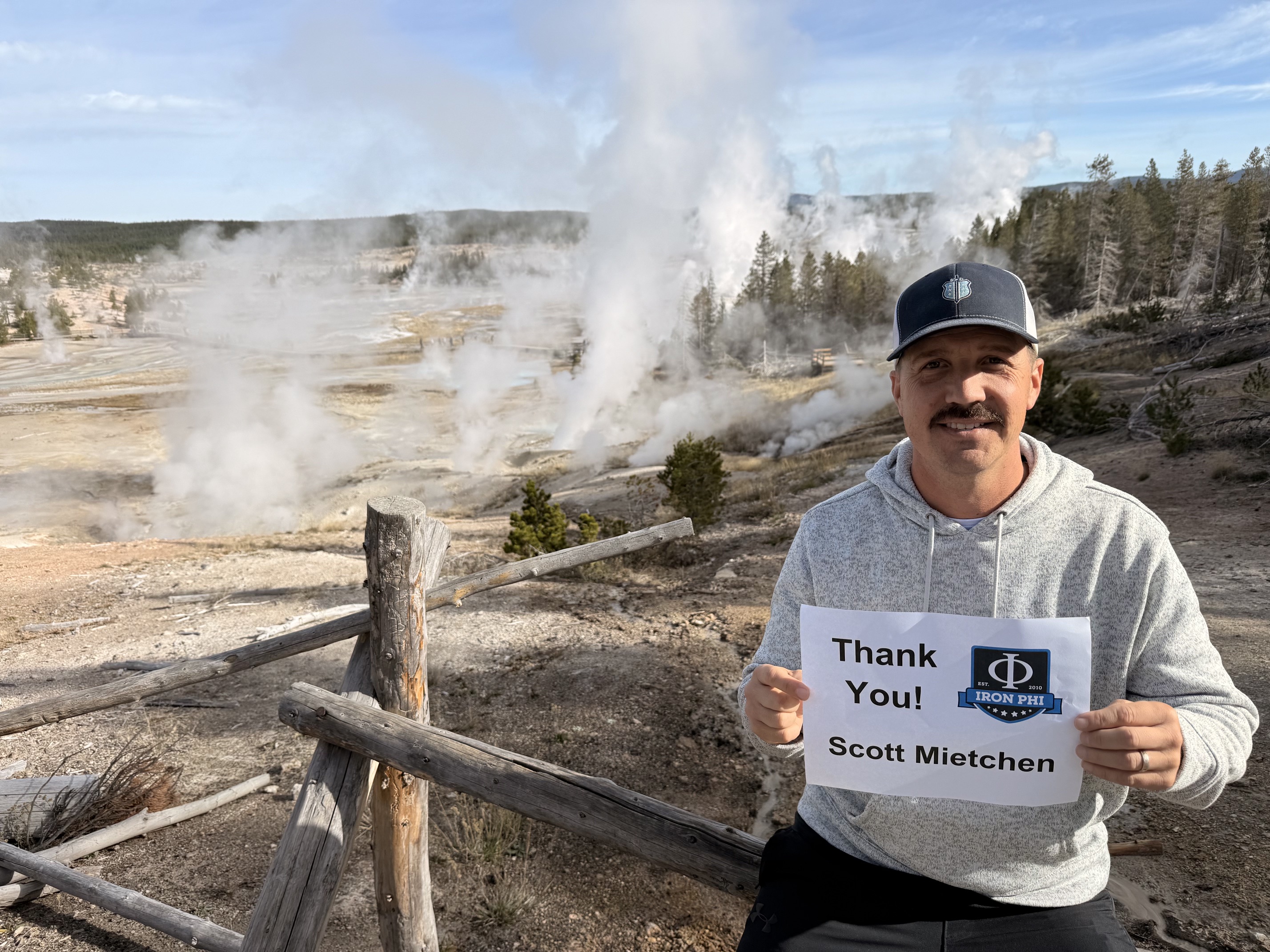
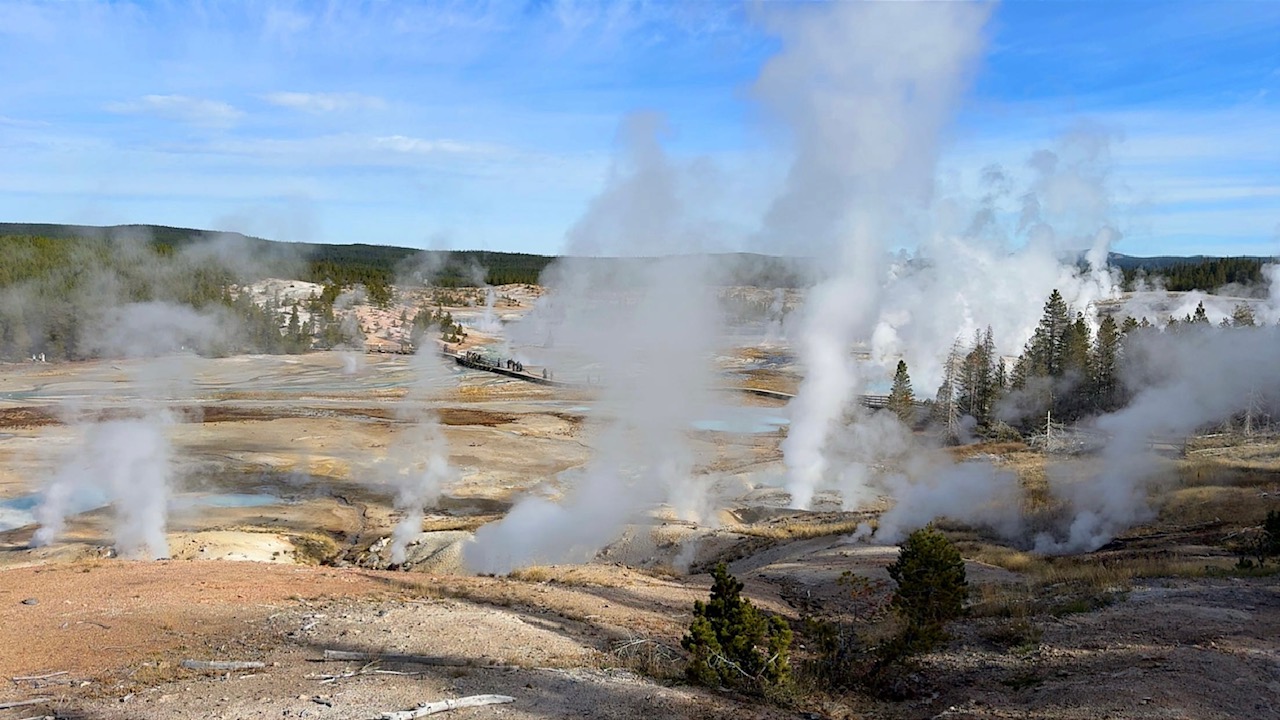
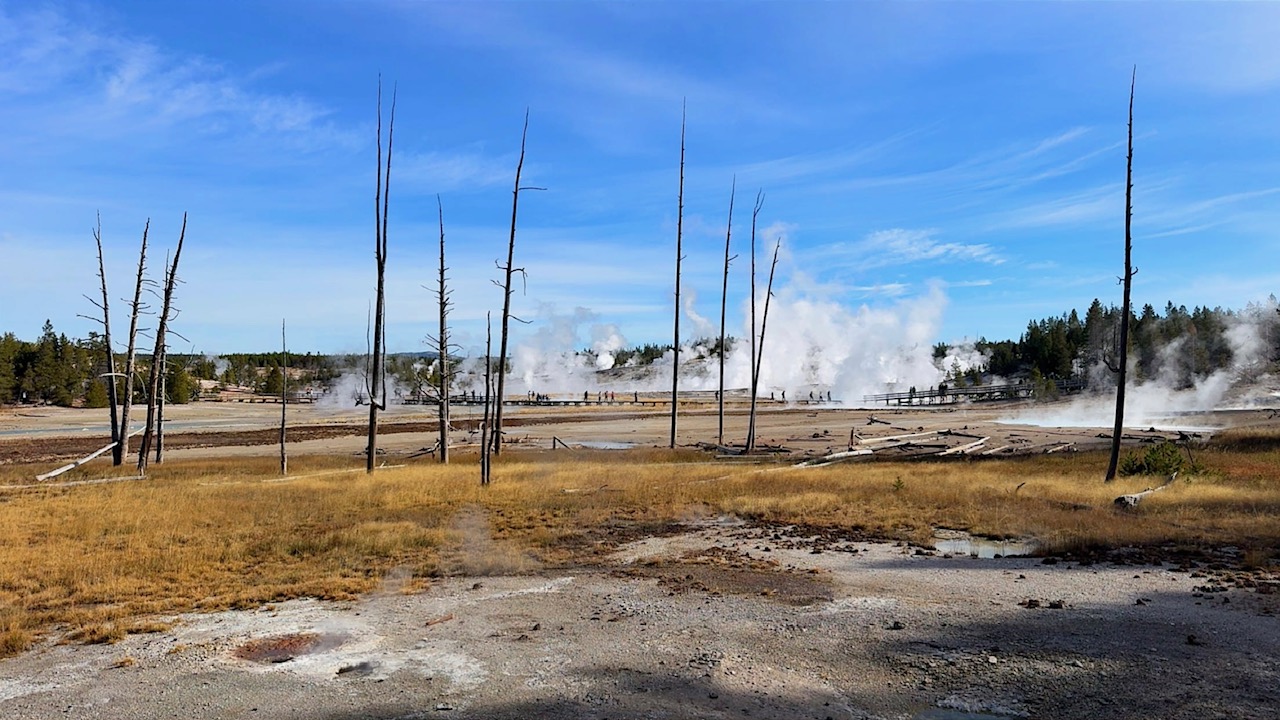
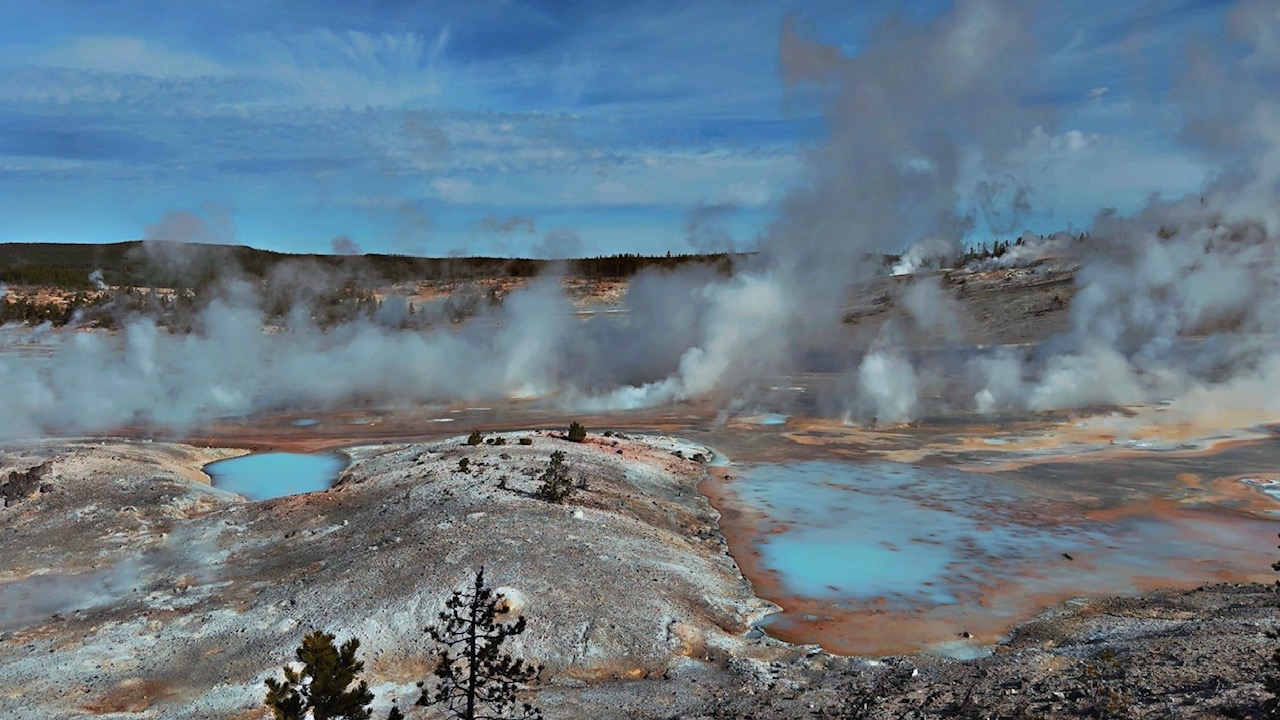
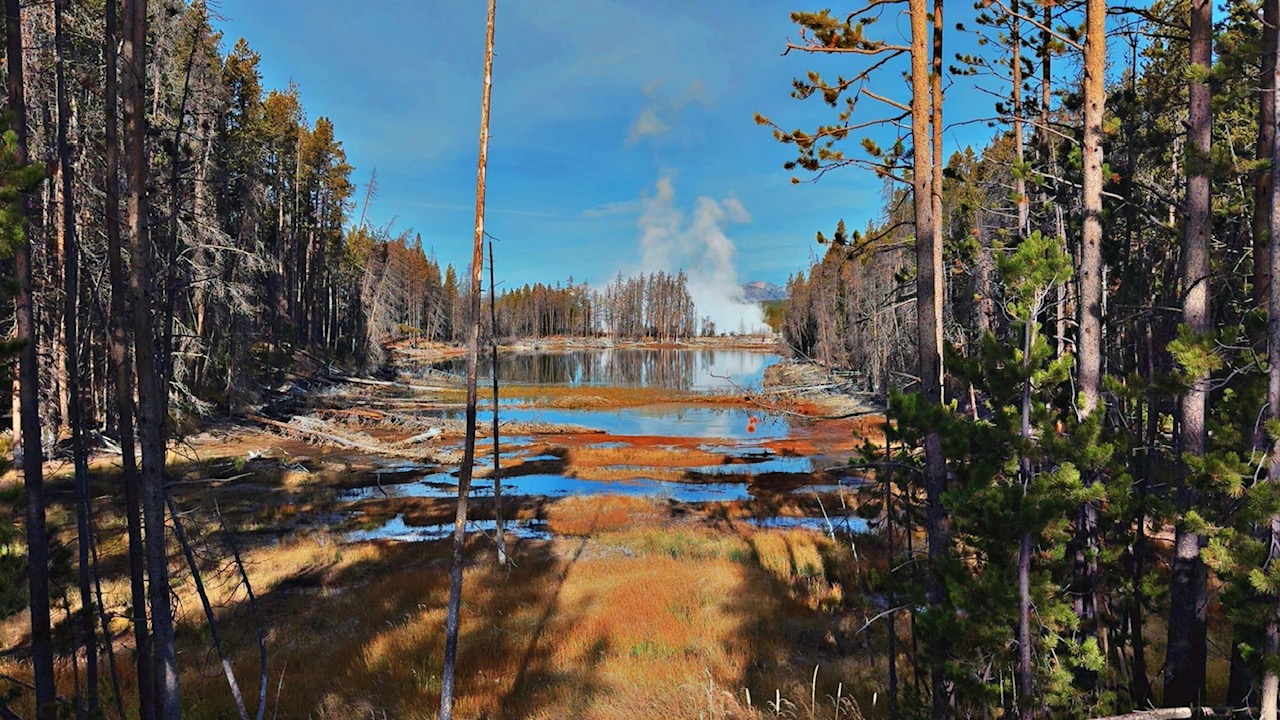
Norris Geyser Basin may be my favorite corner of Yellowstone, because it feels like you’re on a different planet. It is Yellowstone’s hottest and one of its most geologically active thermal areas. It features an extraordinary collection of geysers, steaming pools, bubbling mud pots, and colorful hot springs. I thanked Scott Mietchen who knows a good Western landscape himself. Another one of my favorite travel memories was a Wyoming snowmobile adventure led by Scott.
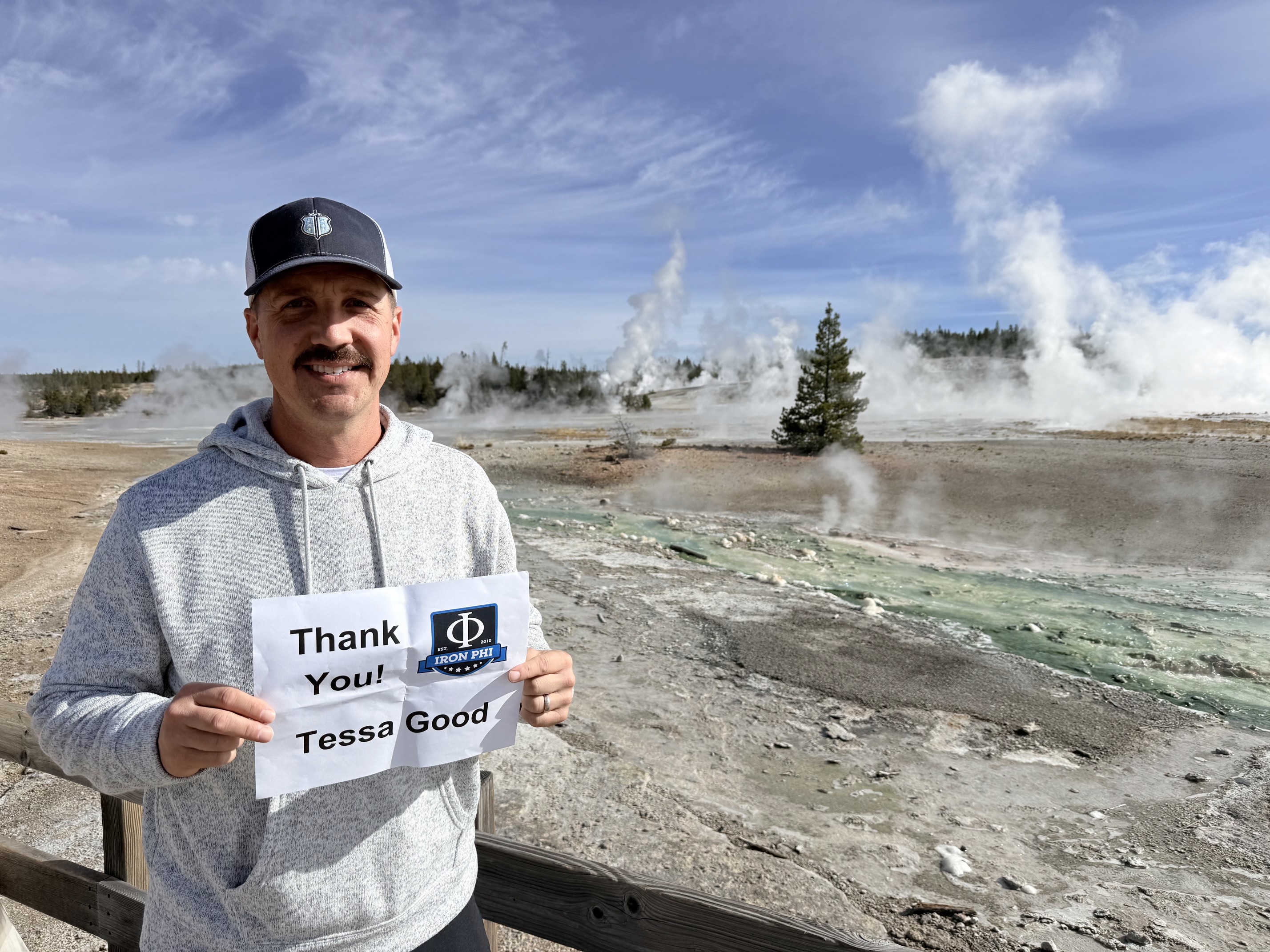
With so many fun scenes at Norris, I also took the opportunity to thank my daughter Tessa. I texted her the photo afterwards, and she responded, “Have I been there?” She has, and it reminded me that memories can be short, so live in the moment. However, my travel addicted brain said, you probably need to bring her back! I adore Tessa, and I am proud of her reliability, independence, and humor. She’s also very honest. When I shaved my mustache a few months ago, she reminded me it was the only thing her friends thought was cool about me. I now have a mustache again.
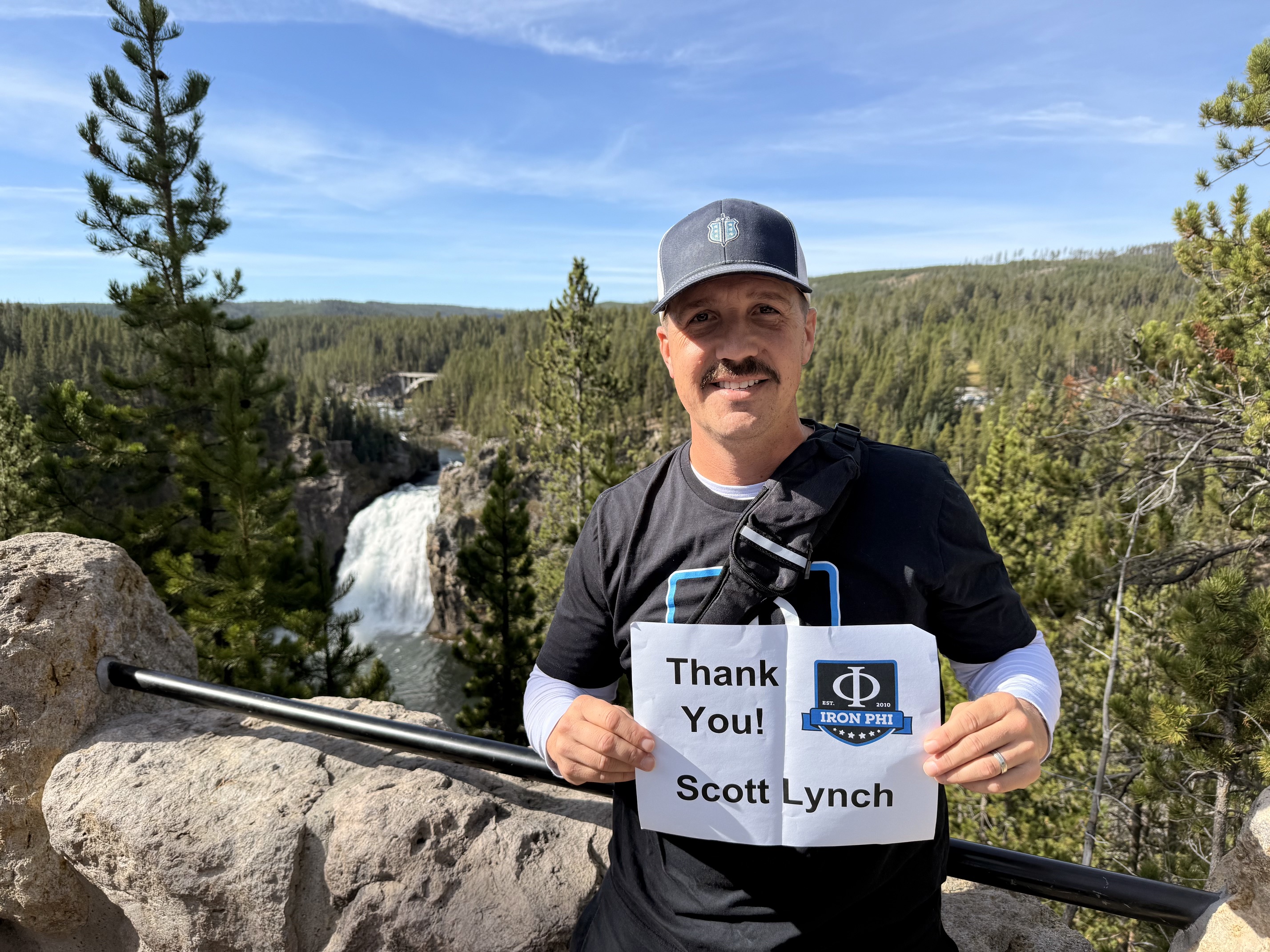
The Grand Canyon of the Yellowstone is a spectacular canyon carved by the Yellowstone River, stretching approximately 20 miles through the park. The canyon is also home to two magnificent waterfalls, the Upper and Lower Falls. Before running the South Rim Trail from Lower Falls to Artist Point, I took a moment to thank Scott Lynch. I miss hearing Scott’s booming laugh at Phi Delt events, but I am thankful for his amazing support of my running trips over the years.
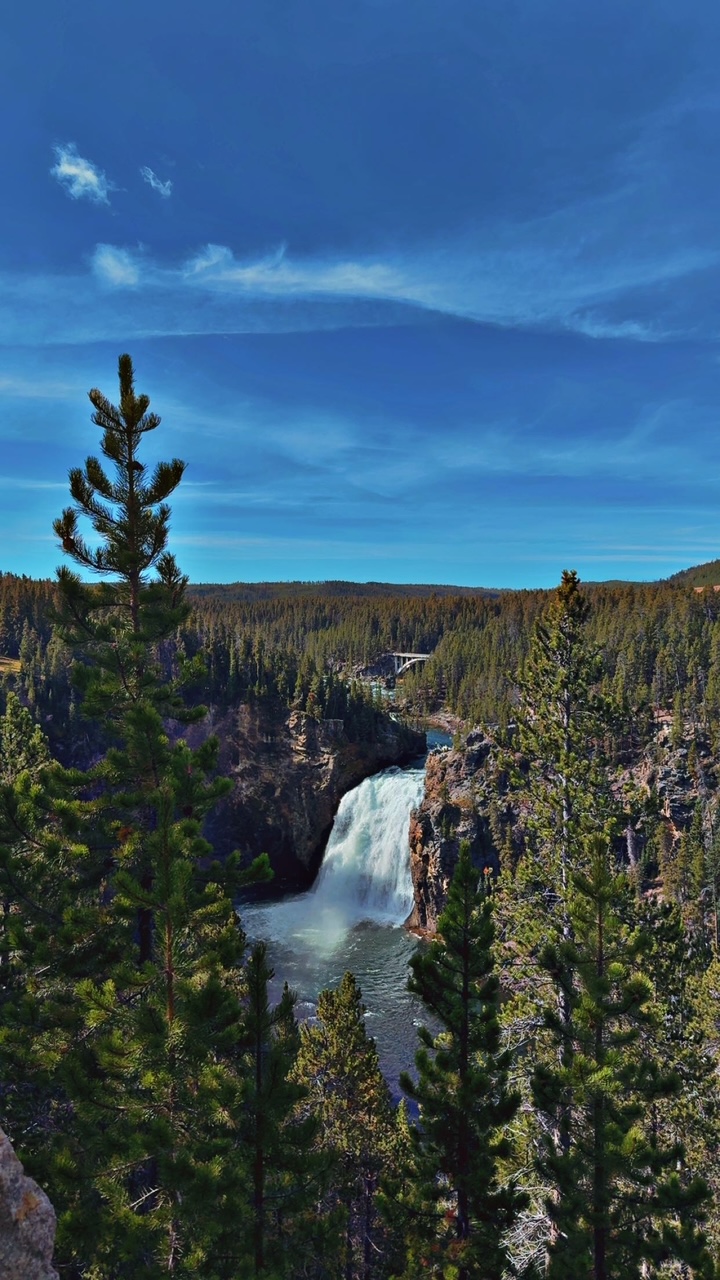
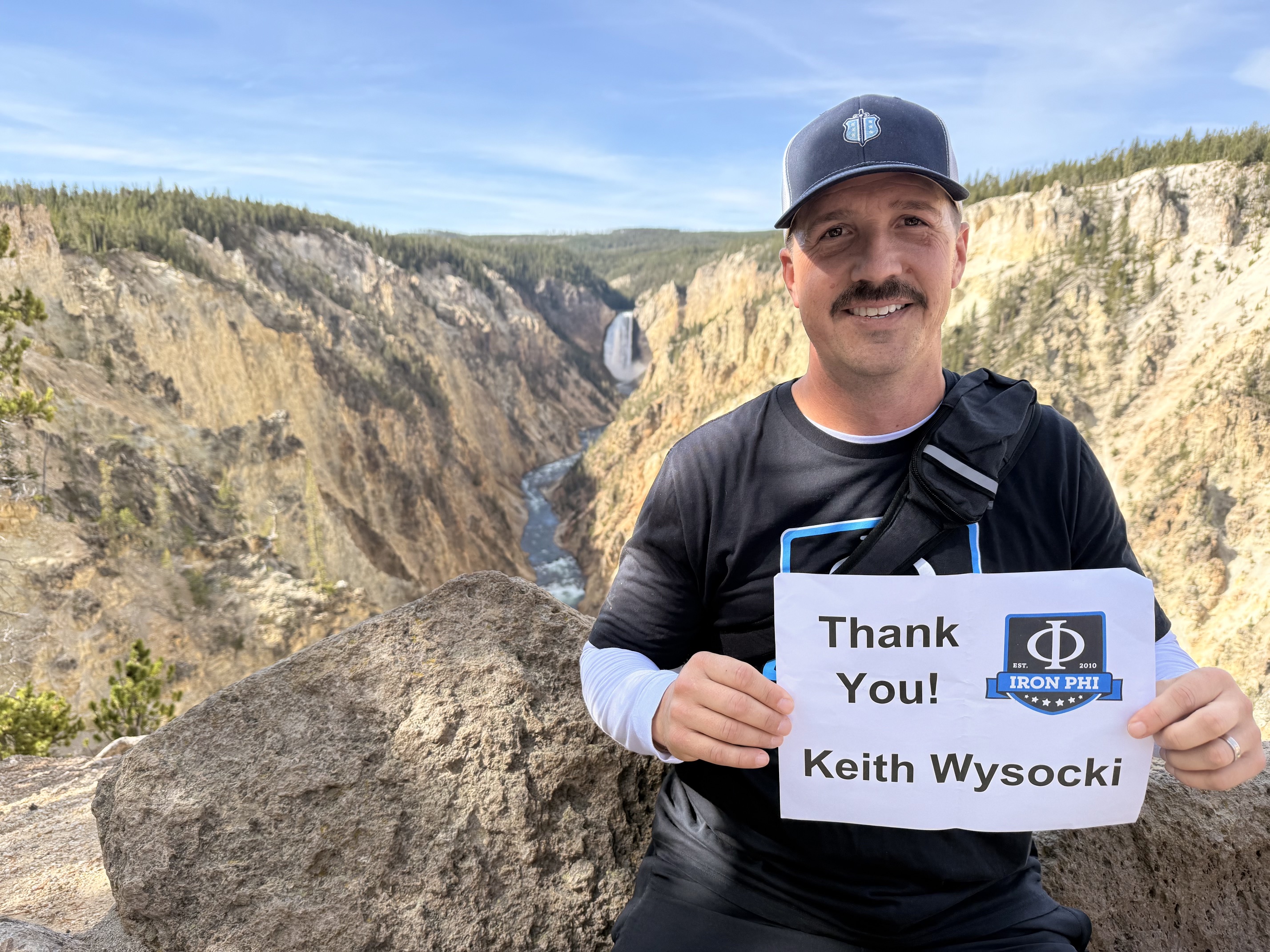
Artist Point is one of the most famous viewpoints in Yellowstone, offering a breathtaking perspective of the Lower Falls and the Grand Canyon of the Yellowstone. The scene has inspired artists and photographers for generations, including the many people we had to push through to take this photo. October is definitely less crowded in the national parks, but some viewpoints can still be filled with tourists who seem to lose all common sense when a good view appears. This landmark wasn’t initially on my list, but my good friend and former colleague Keith Wysocki challenged me to get there. I love it when people do this, and this photo is proof that an Iowa State Cyclone will do something special for a Nebraska Cornhusker. I wouldn’t expect similar actions from Iowa Hawkeyes.
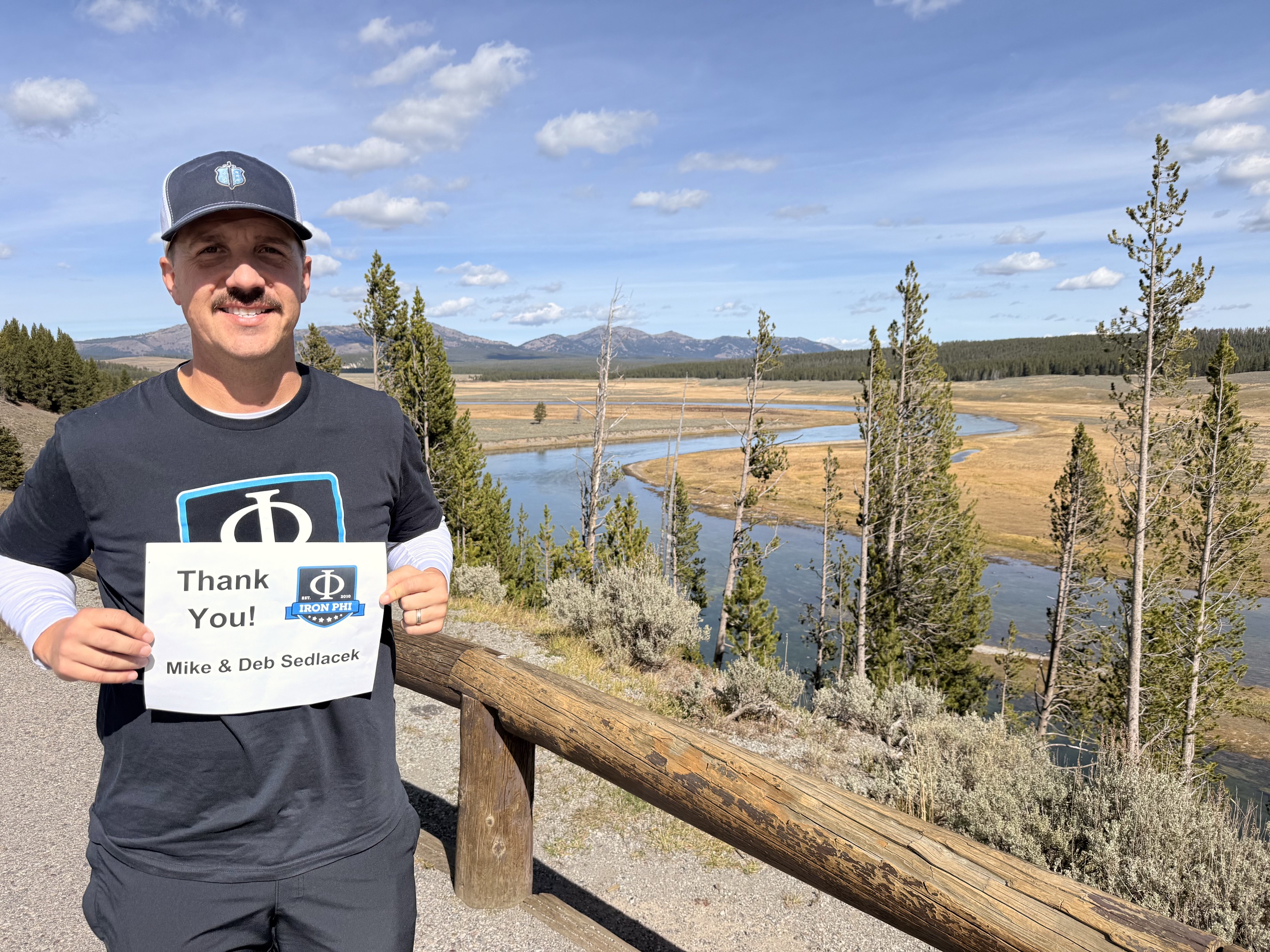
Hayden Valley is one of Yellowstone’s most famous wildlife-viewing areas, offering expansive grasslands, winding rivers and wetlands. Bison are frequently seen grazing here, while elk, coyotes, grizzly bears and wolves also inhabit the valley. I initially wanted to try to thank Mike and Deb Sedlacek near a bison, but I had flashbacks to a recent viral video of an idiot dad in Yellowstone getting flung in the air by one. So we went with a landscape shot! Safety first.
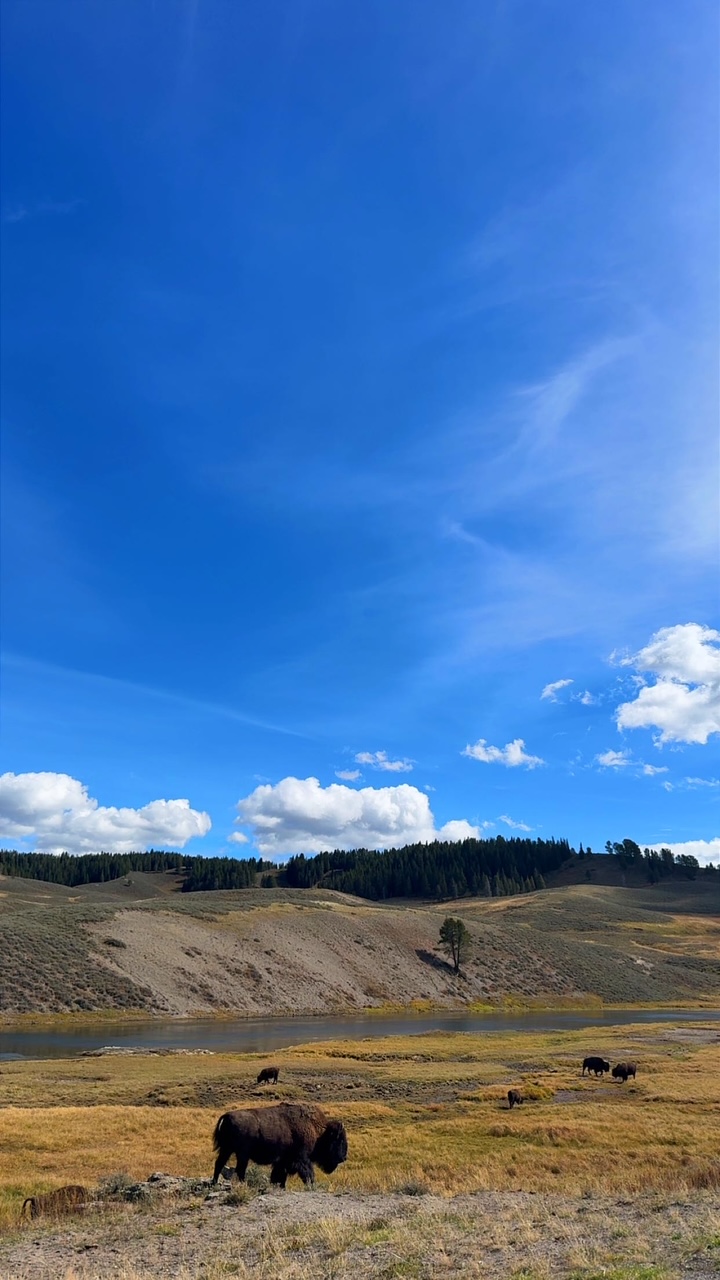
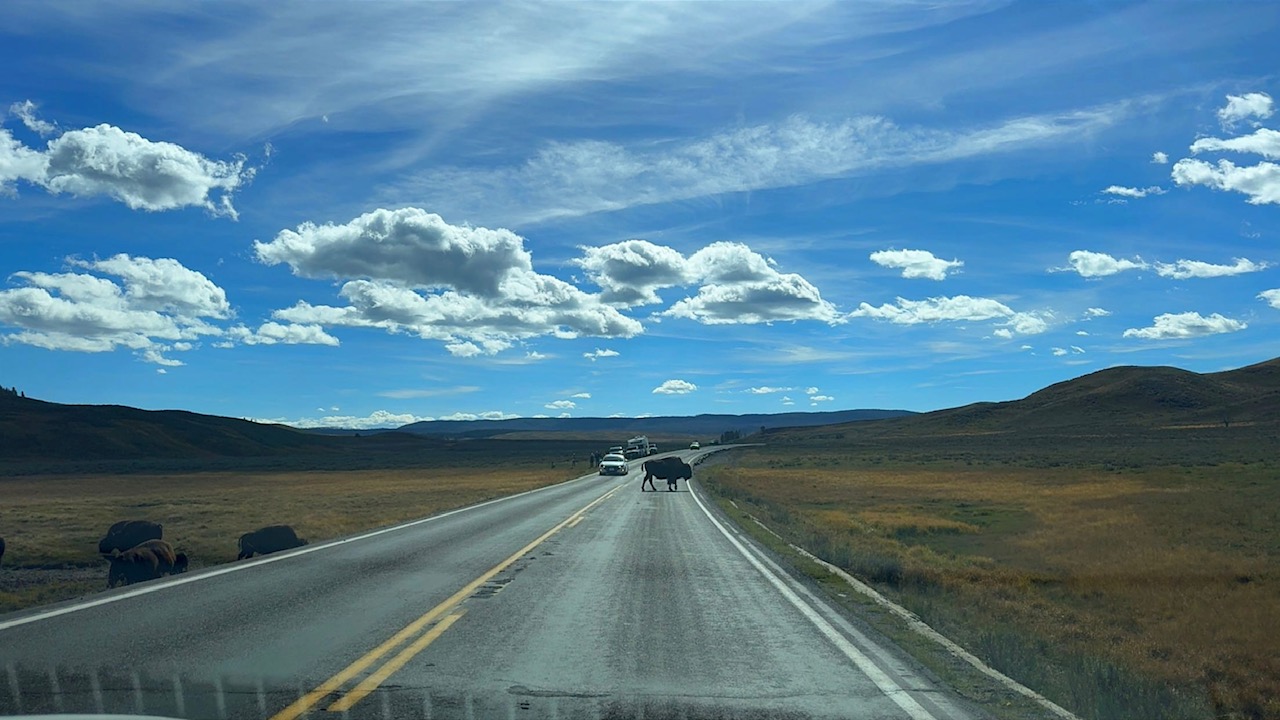
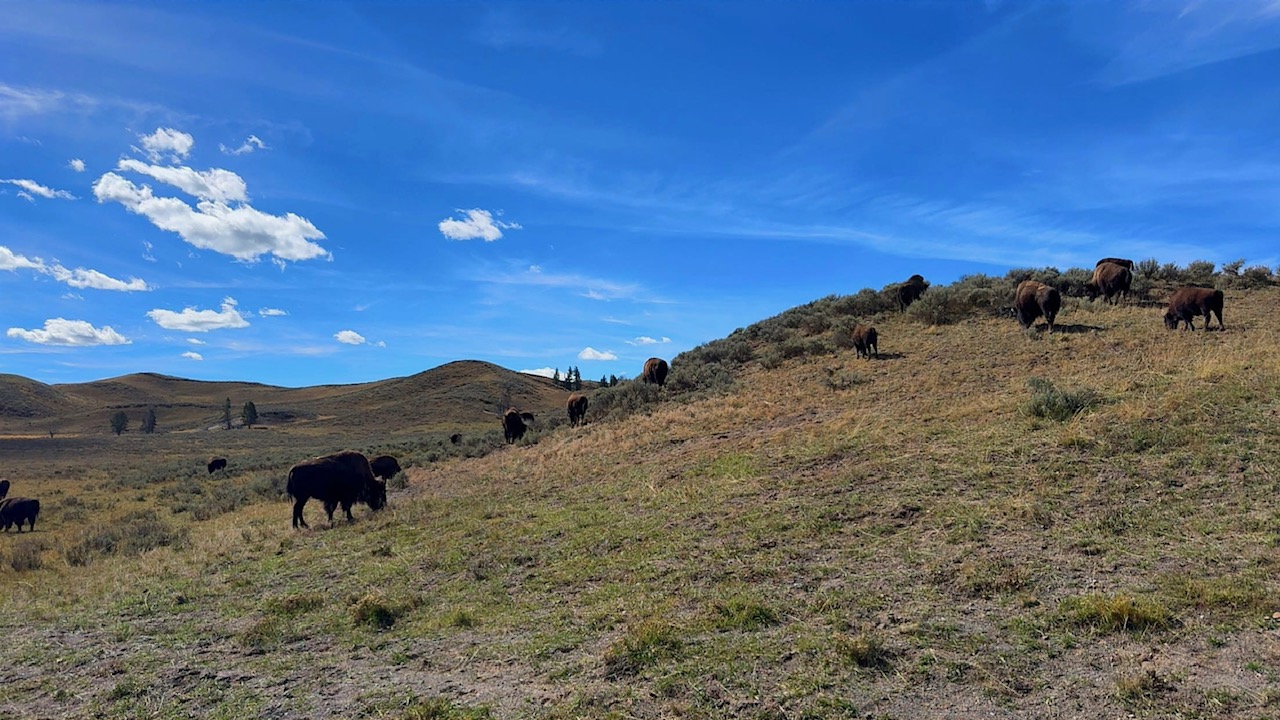
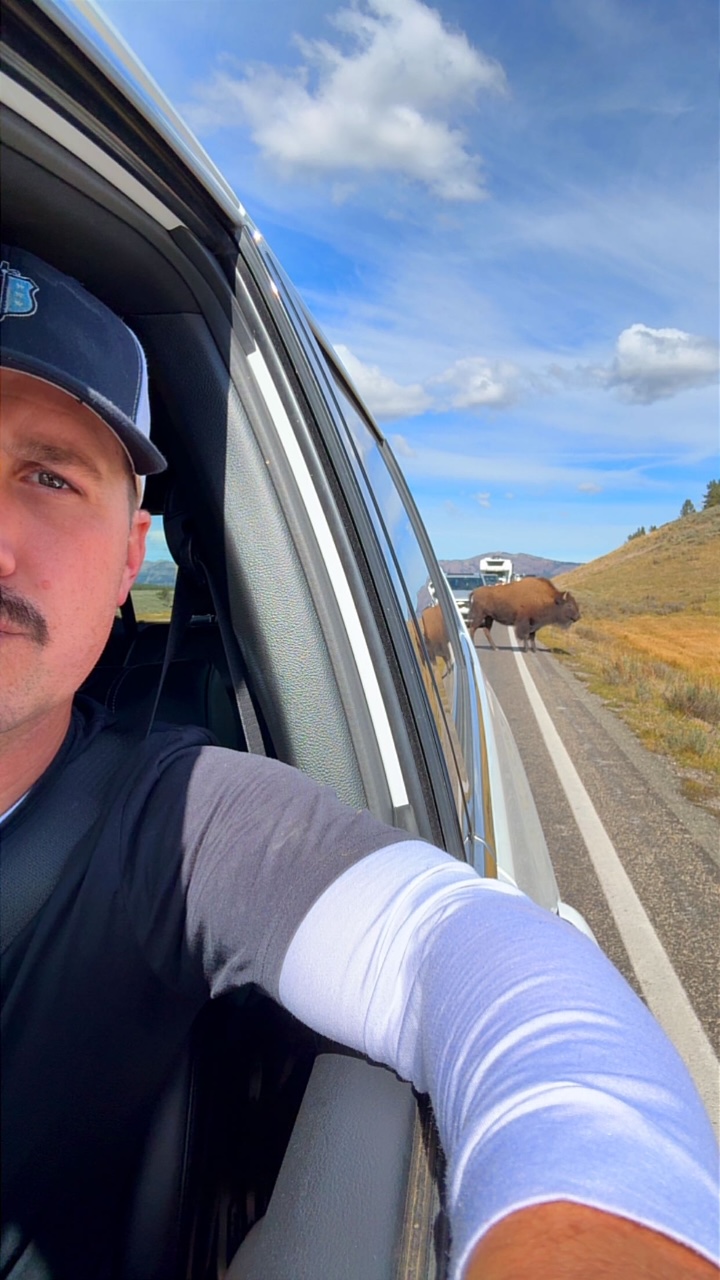
Yellowstone is home to America’s largest public bison herd, and it is the only place in the contiguous United States where bison have lived continuously since prehistoric times. The herd can number several thousand animals, depending on the season. Driving through Hayden Valley, we lucked out, catching a heard of approximately fifty bison near the road. We parked the van, and soaked in the scene. What an animal.
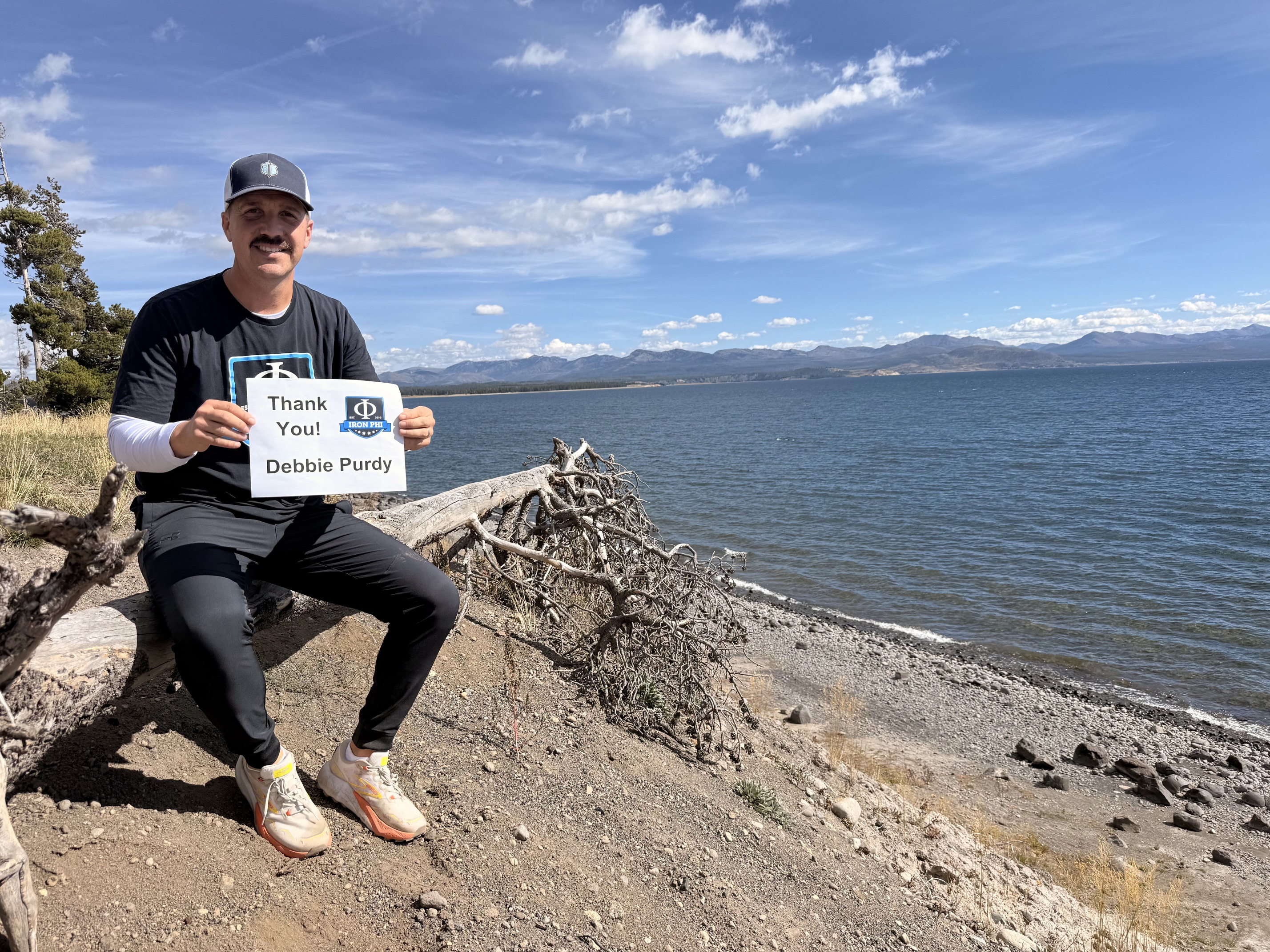
Yellowstone Lake is the largest high-elevation lake in North America, sitting approximately 7,733 feet above sea level. The lake covers more than 130 square miles, the same number of times I heard Kerrie say “That’s a big lake” as we navigated its shores. Beneath its surface lies a complex hydrothermal system, making it an important part of Yellowstone’s volcanic landscape. Near Lake Yellowstone Hotel, I captured this photo for one of my trusty running trip donors, Debbie Purdy.
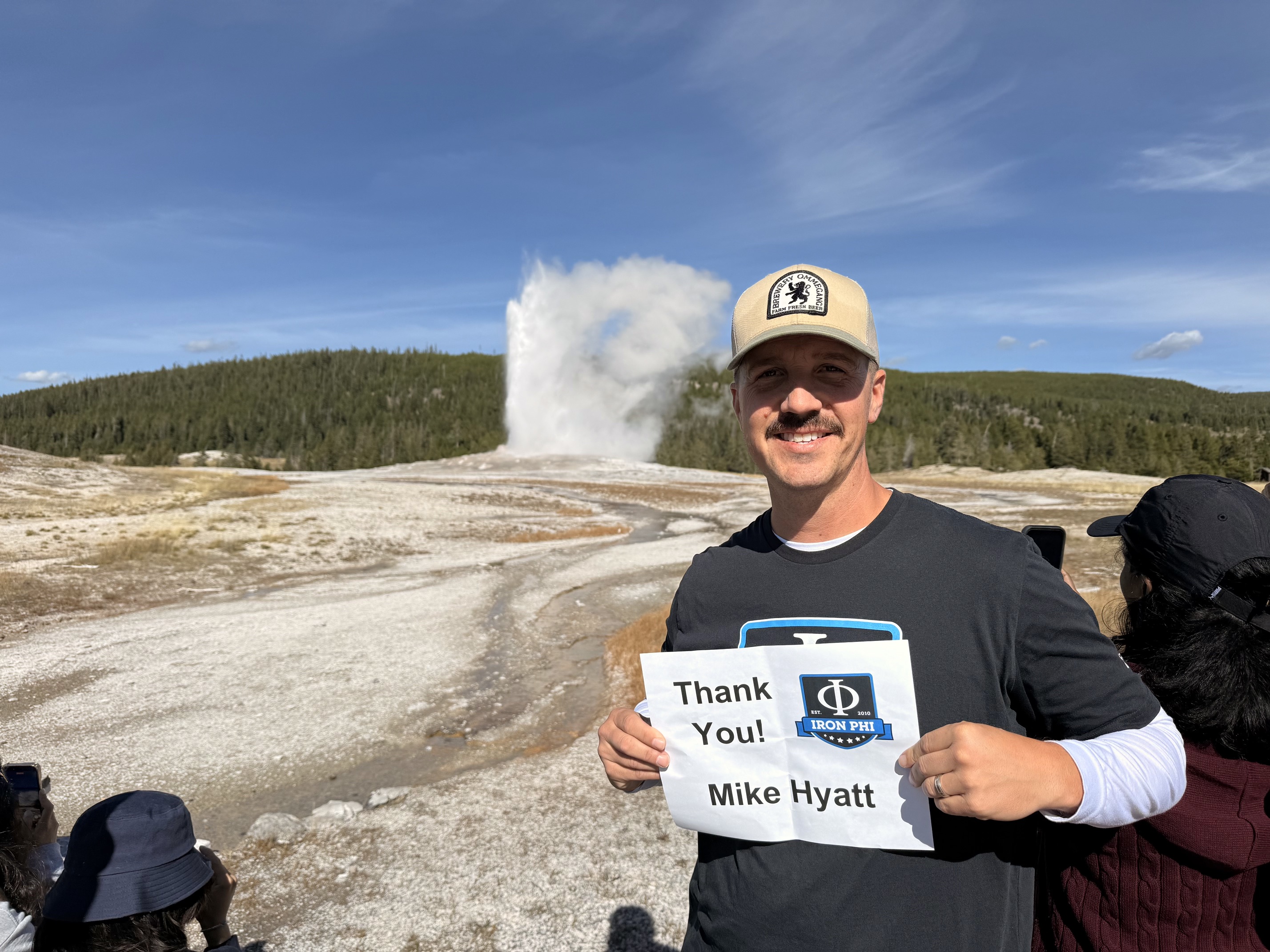
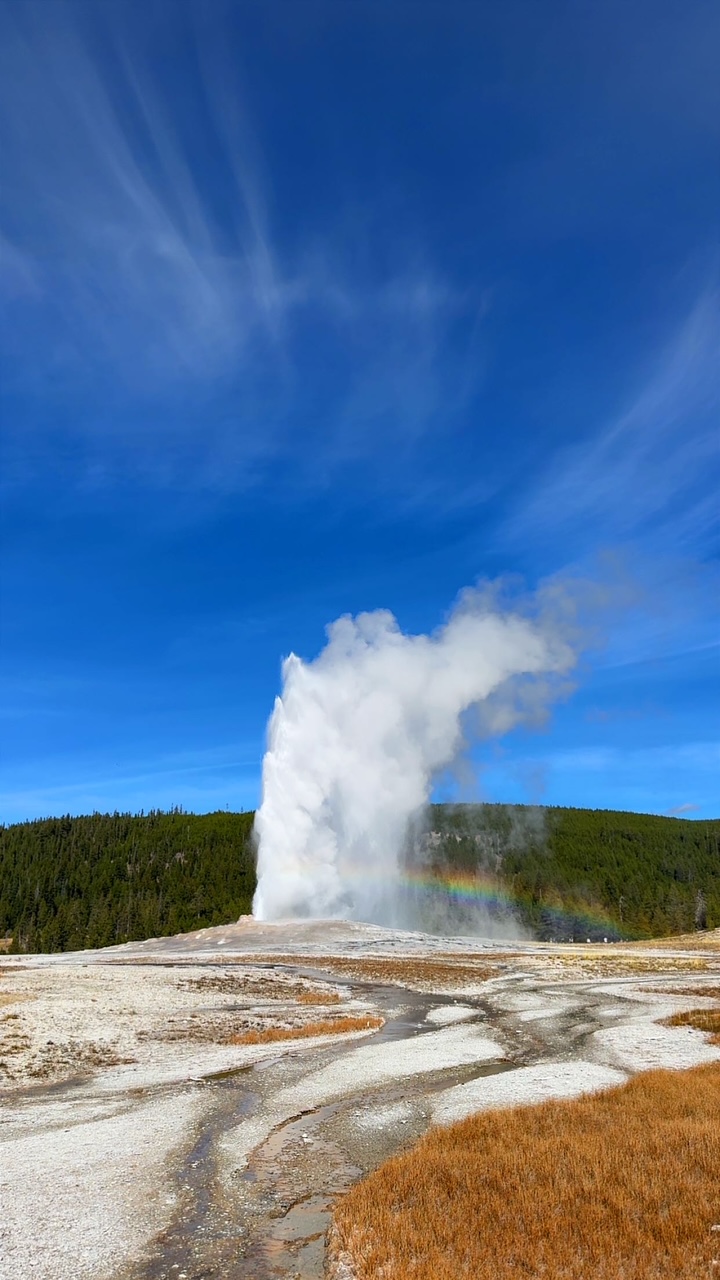
More than half of the world’s active geysers are in Yellowstone, but there is only one that can claim it started the worldwide National Park movement. Old Faithful is Yellowstone’s most famous attraction, a geyser renowned for its remarkably predictable eruptions. It typically erupts every 60 to 110 minutes, sending boiling water as high as 100 to 180 feet into the air. It is one of the most visited natural attractions in the United States, so be prepared for a scene when you arrive. Our timing was impeccable, arriving at Old Faithful just 15 minutes before it erupted. Mike Hyatt is one of my favorite Phi Delts out there, and, fun fact, is my top running trip donor over the years. While I won’t go as far to give him the nickname “Old Faithful,” I really appreciate his constant friendship and support.
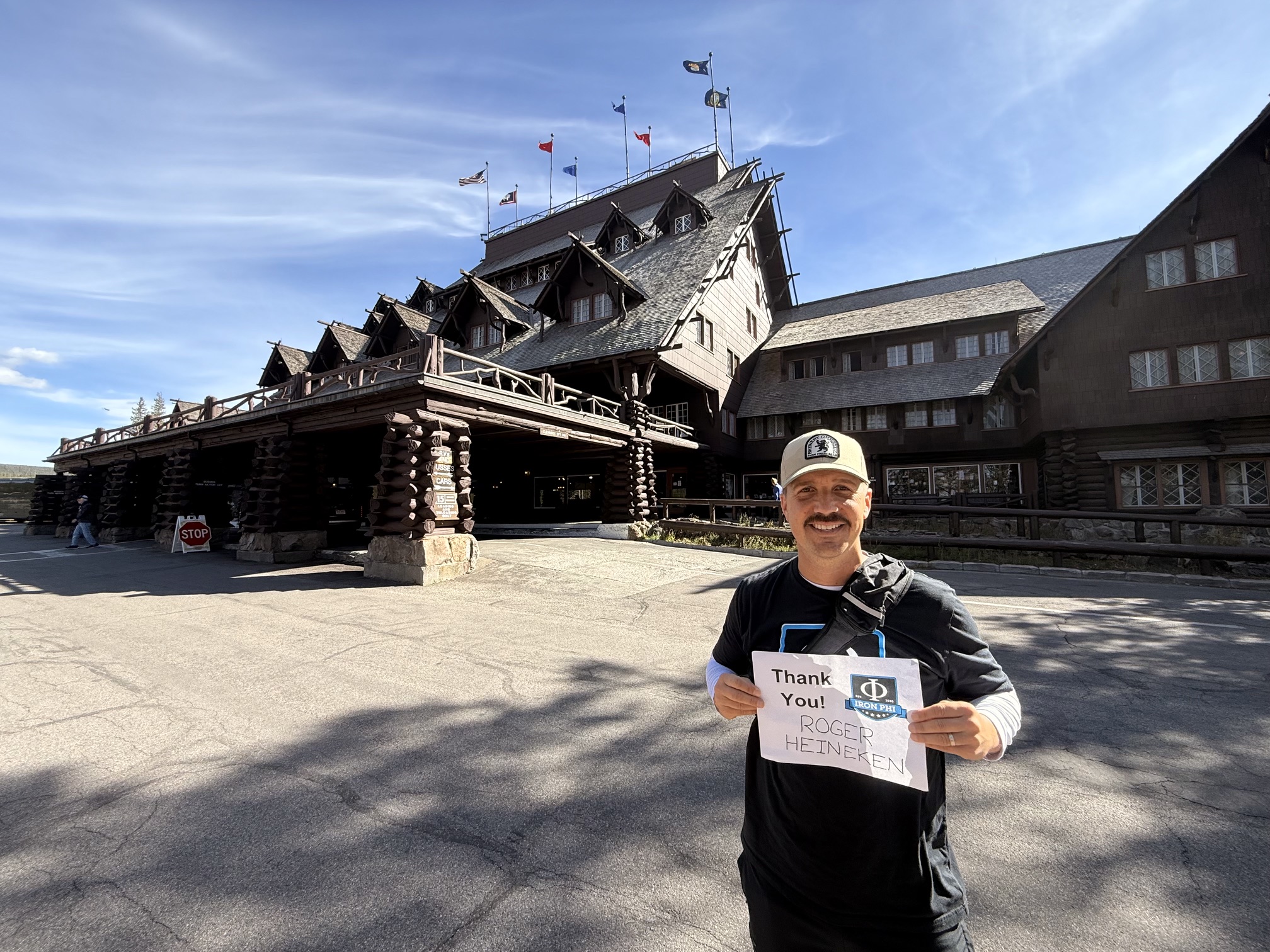
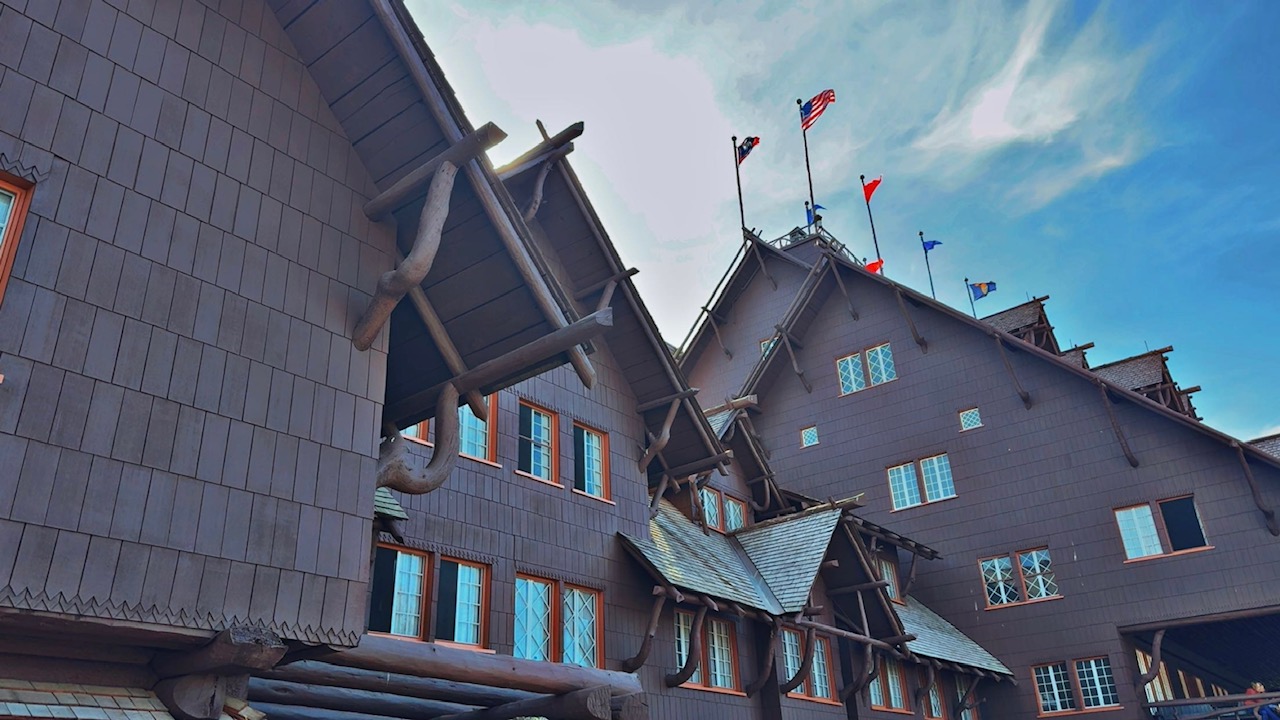
The Old Faithful Inn opened in 1904, and it is one of America’s most celebrated examples of rustic national park architecture. Constructed primarily of locally sourced timber and stone, the historic lodge features a massive lobby with a towering log ceiling and a striking stone fireplace. Located steps from Old Faithful, it remains one of Yellowstone’s most iconic places to stay if you’re willing to pay the price. Fellow Phi Delt and long-time volunteer at Emporia State University Roger Heineken, wins the prize for “donor sign that somehow got left out of the mail merge process.” However, it gave me a nice opportunity to show off my block letter handwriting skills which Kerrie complimented. Small compliments are vital when traveling with someone for a week.
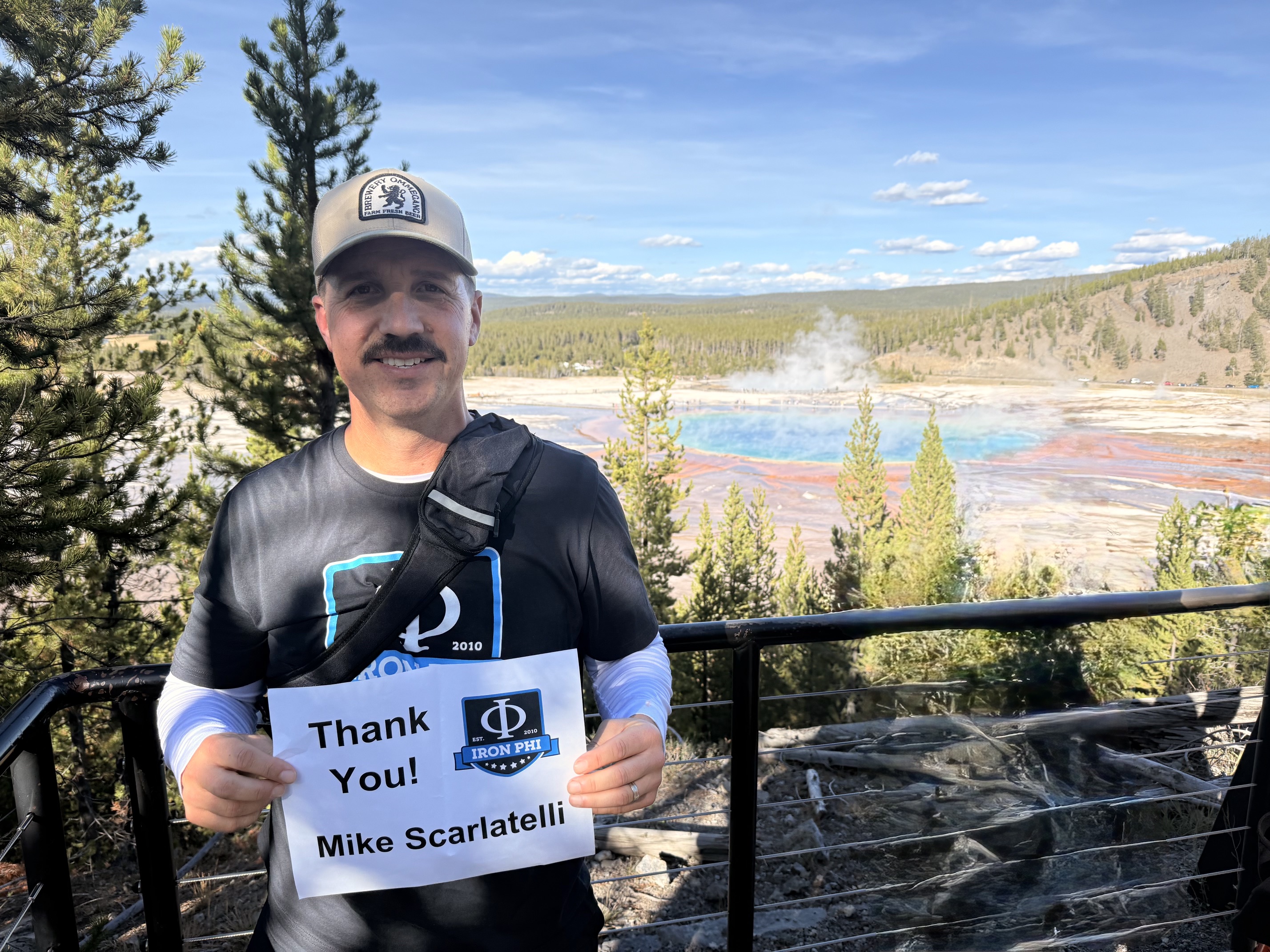
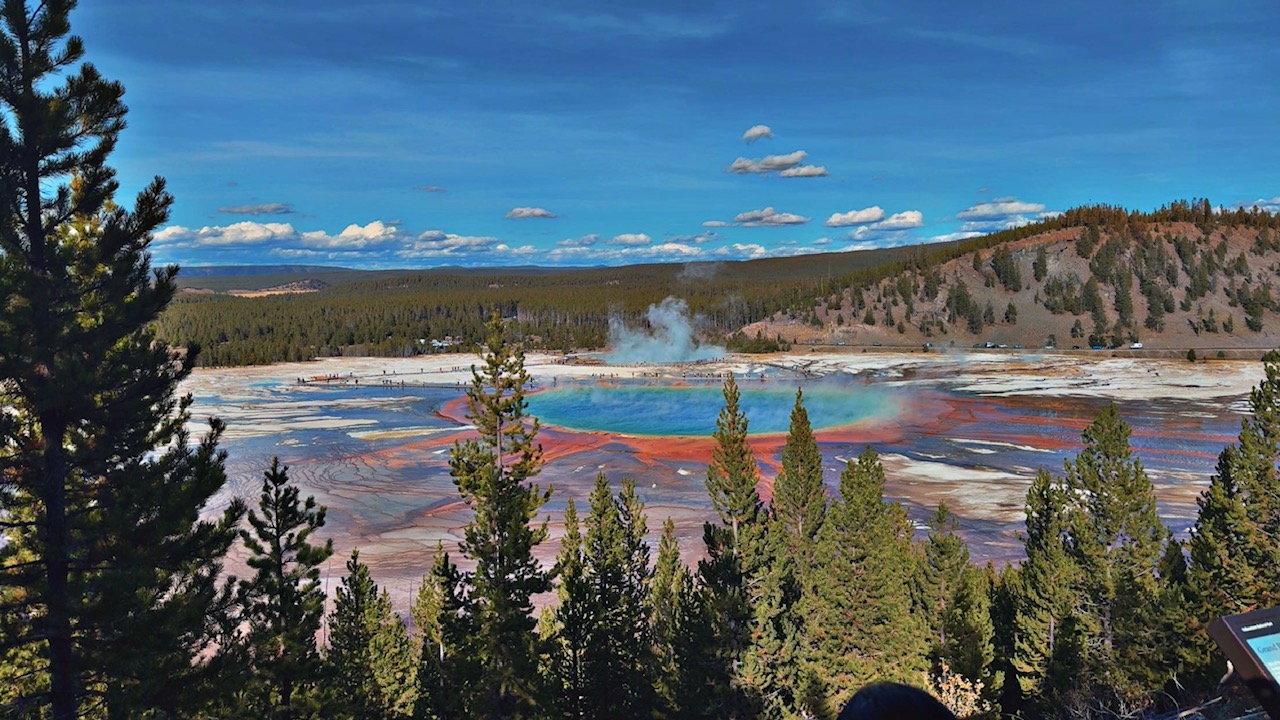
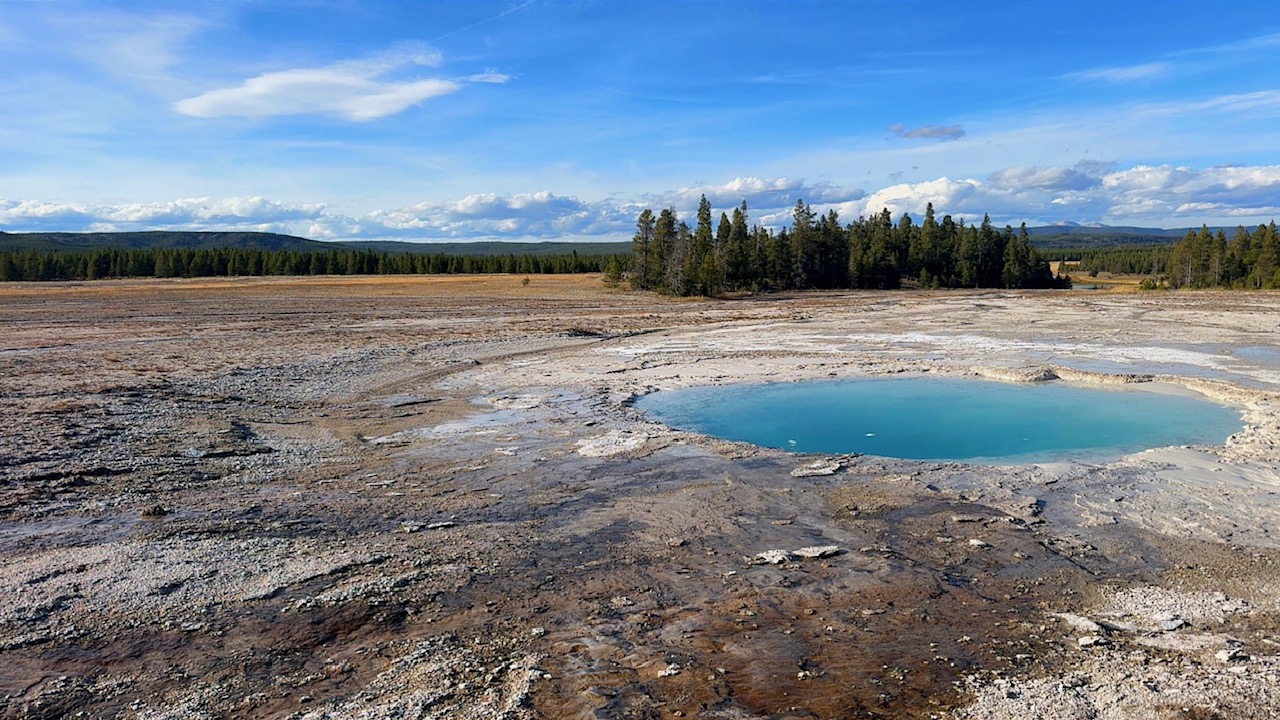
Are you ready for an amazing landscape? Grand Prismatic Spring is the largest hot spring in the United States and one of Yellowstone’s most visually spectacular natural wonders. Its brilliant rings of blue, green, yellow, orange and red are created by heat-loving microorganisms living in the mineral-rich water. Measuring approximately 370 feet across, it is especially impressive when viewed from the nearby overlook. We hiked the mile-long trail to the overlook to thank Mike “Scar” Scarlatelli. I went with his formal name on this year’s sign, but I think I’ll go back to the big SCAR sign next year. I’m thankful for Scar’s running trip support and impressive process for determining his votes for Phi Delta Theta’s Lou Gehrig Memorial Award.
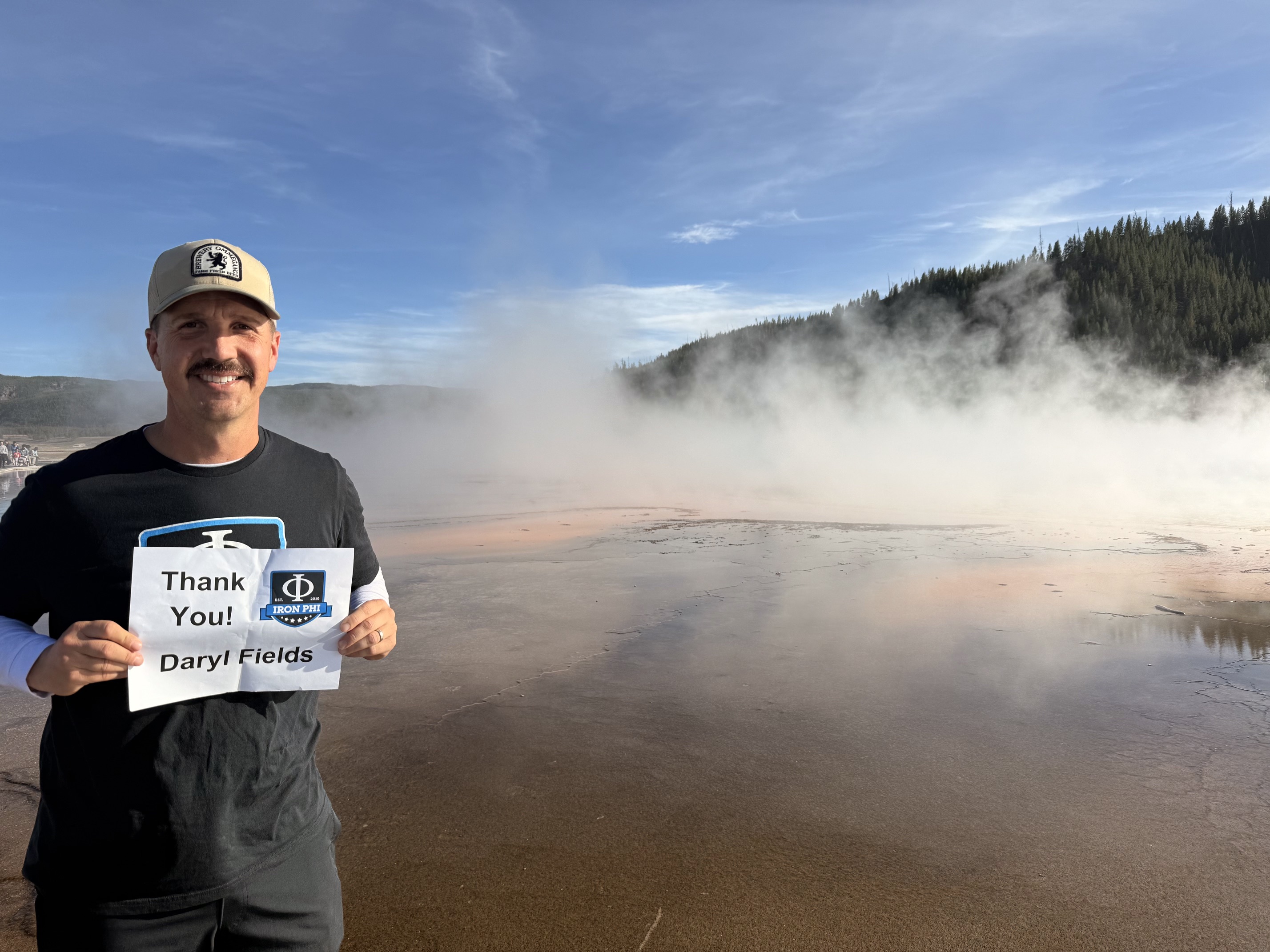
Now, let’s go ground level to see Grand Prismatic Spring. The Midway Geyser Basin Trail is a short boardwalk loop that takes visitors up close to see it. Amidst the hot springs steam, I thanked Dr. Daryl Fields who sits on the Live Like Lou Foundation board. Let me brag about Dr. Fields for a second, because I think he’s one cool dude. Daryl has dedicated his career to a deeply personal mission: restoring movement to individuals living with paralysis. He is a Staff Surgeon at the Malcolm Randall Veterans Affairs Medical Center, Assistant Professor of Neurosurgery at the University of Florida, and McKnight Brain Institute Scholar. I’m excited to see Daryl add his most impressive feat to his resume very soon – Awesome dad.
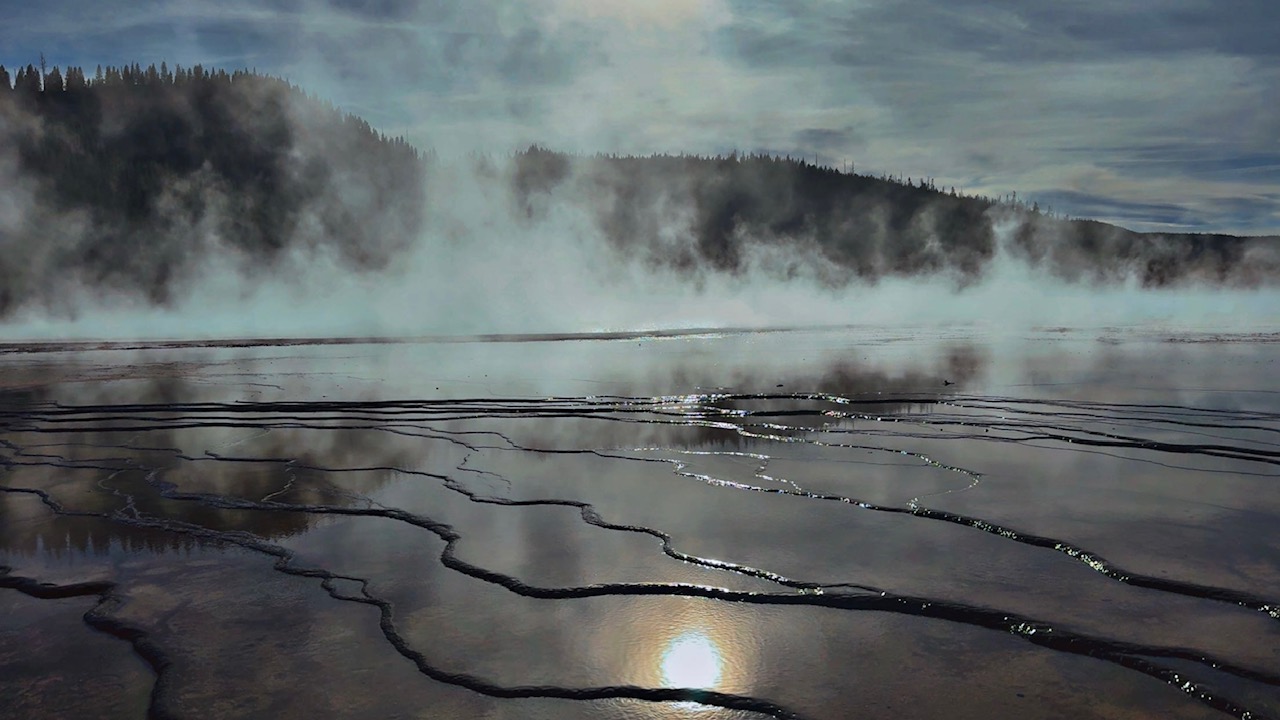
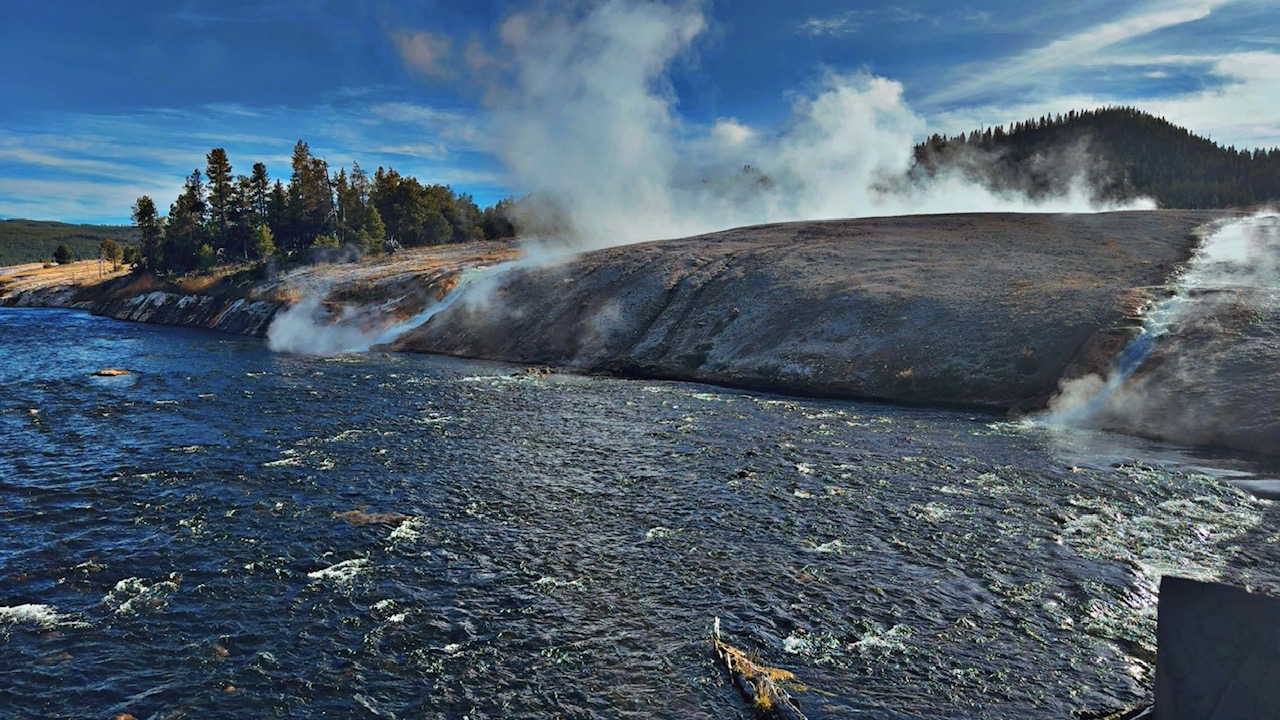
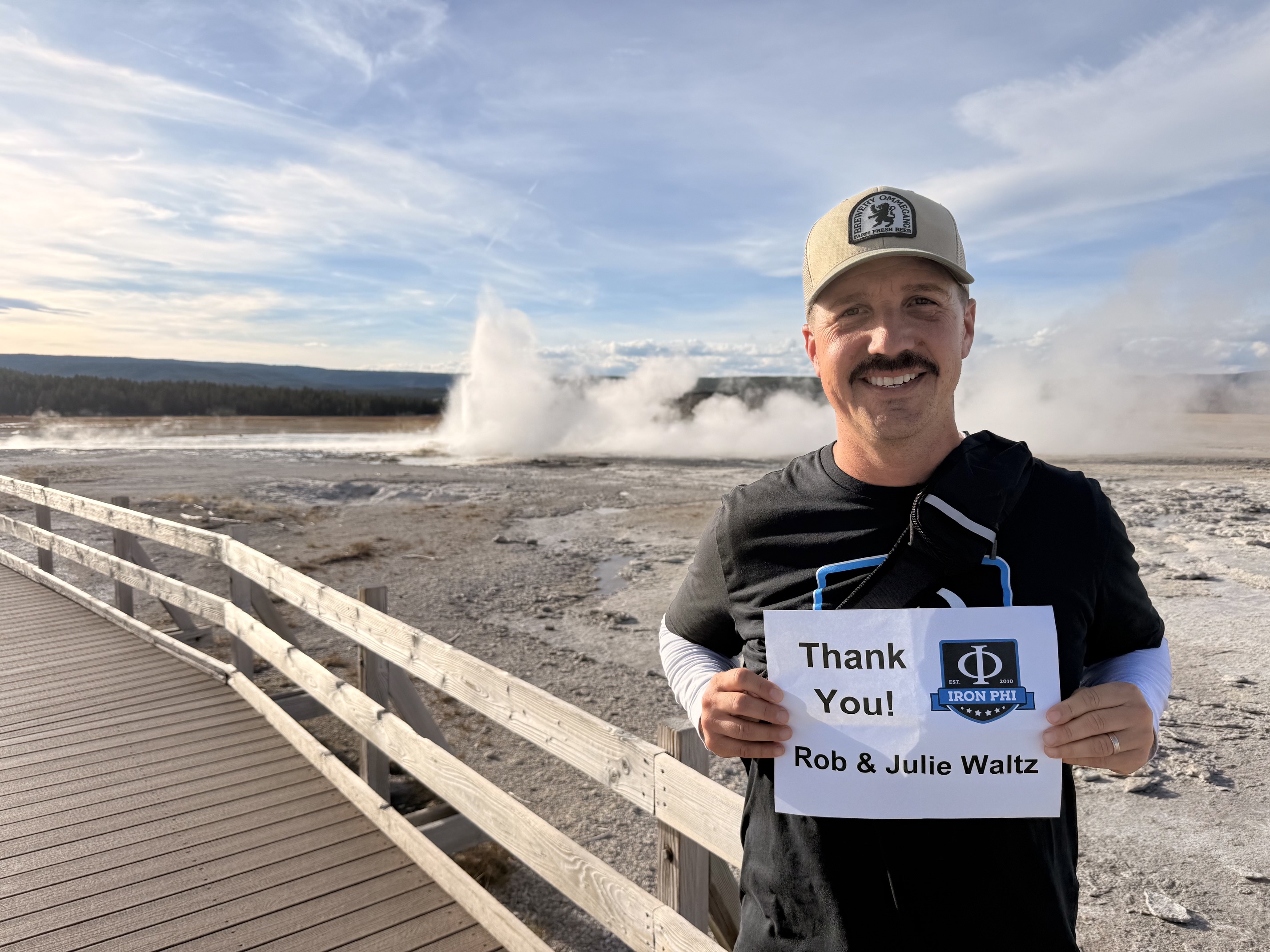
Our final stop inside the park was Fountain Paint Pot Trail, located in the Lower Geyser Basin. The trail showcases all four major types of geothermal features: geysers, hot springs, mud pots and fumaroles. The bubbling mud pots are particularly fascinating, with their thick, colorful mud constantly bubbling and changing shape. I thanked my mother-in-law Julie and her husband Rob for their donation. Julie, I’ve found a new land feature/attraction for your Madison County Airbnb plans – bubbling mud pots!
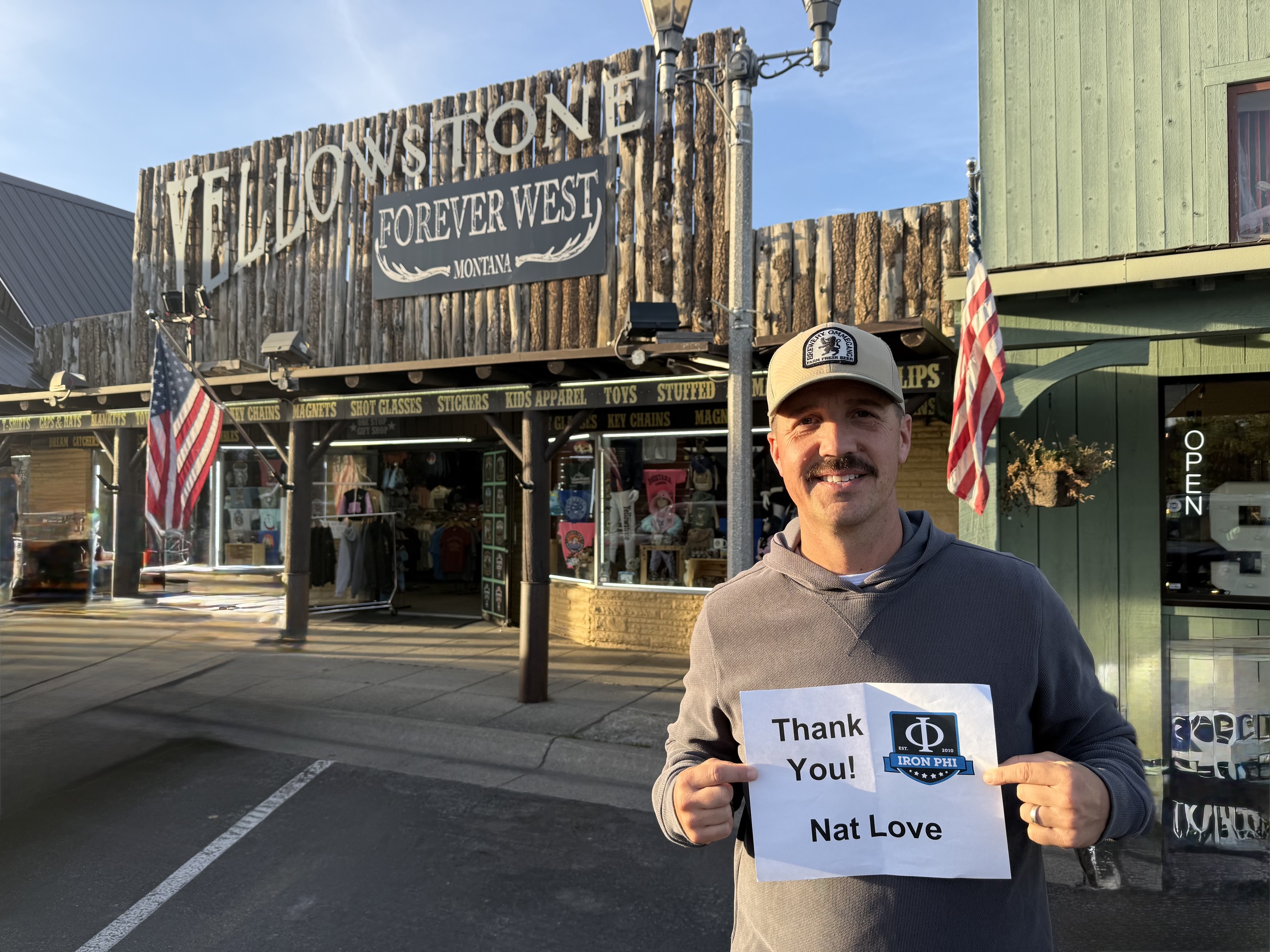
After a long day of driving, running, and hiking, we were excited to cross back into Montana and land in West Yellowstone where we would lay our head for the evening. West Yellowstone is located just outside Yellowstone’s West Entrance and serves as one of the park’s primary gateways. Known for its abundance of lodging, restaurants, outdoor outfitters, and visitor attractions, the town welcomes millions of park visitors each year. My final thank you sign of the day celebrated Nat Love, my Michigan Wolverine-loving, sports memorabilia-collecting, Steamboat-skiing friend who also serves as Phi Delta Theta’s General Council President. I always enjoy my travels with Nat, and I especially enjoy creating awkward moments at hotel front desks proclaiming, “I’m here to check in to the Good/Love room.”
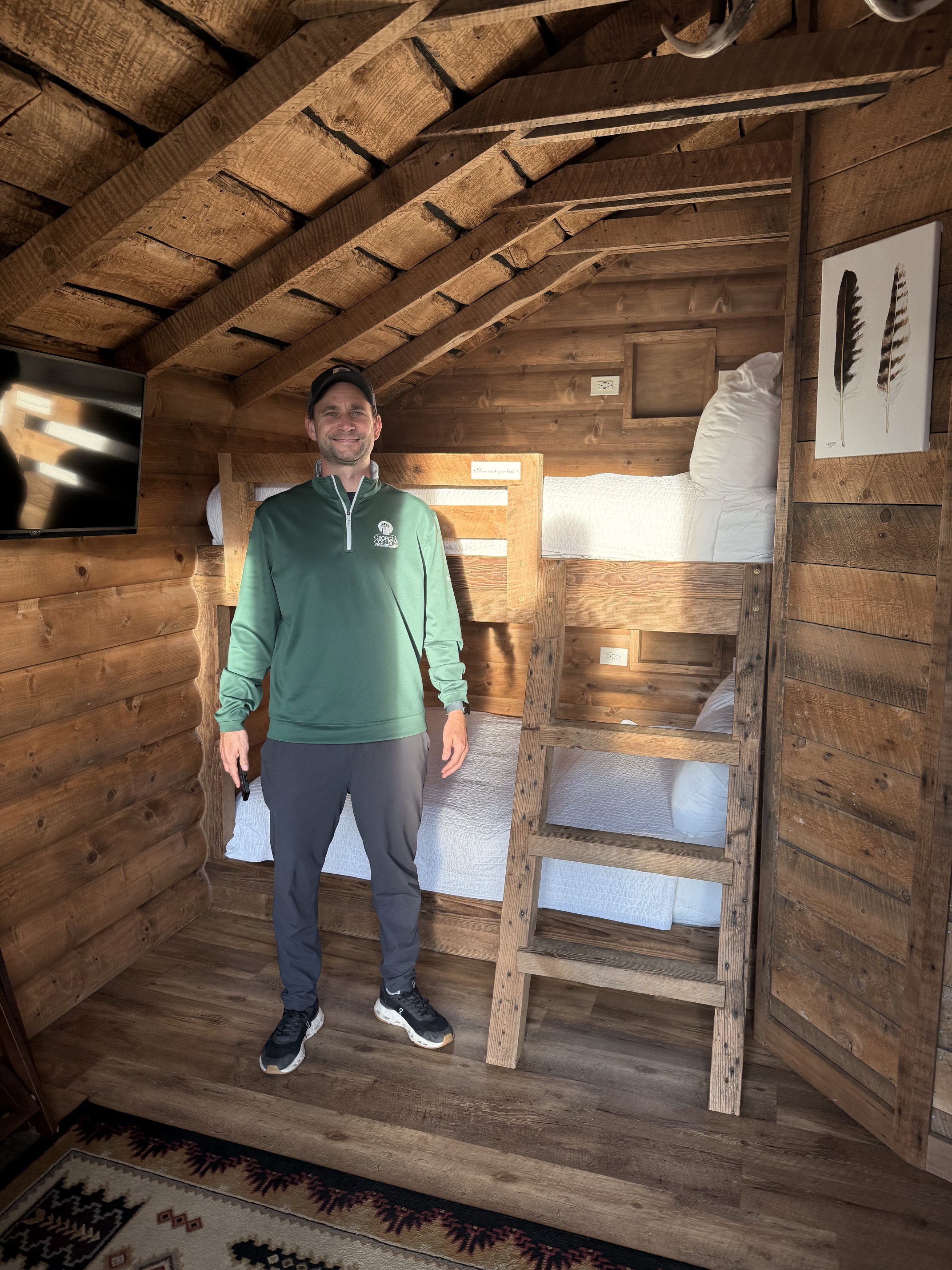
There are so many hotels in West Yellowstone, and we found a little gem, the Elkhorn Cabins & Inns
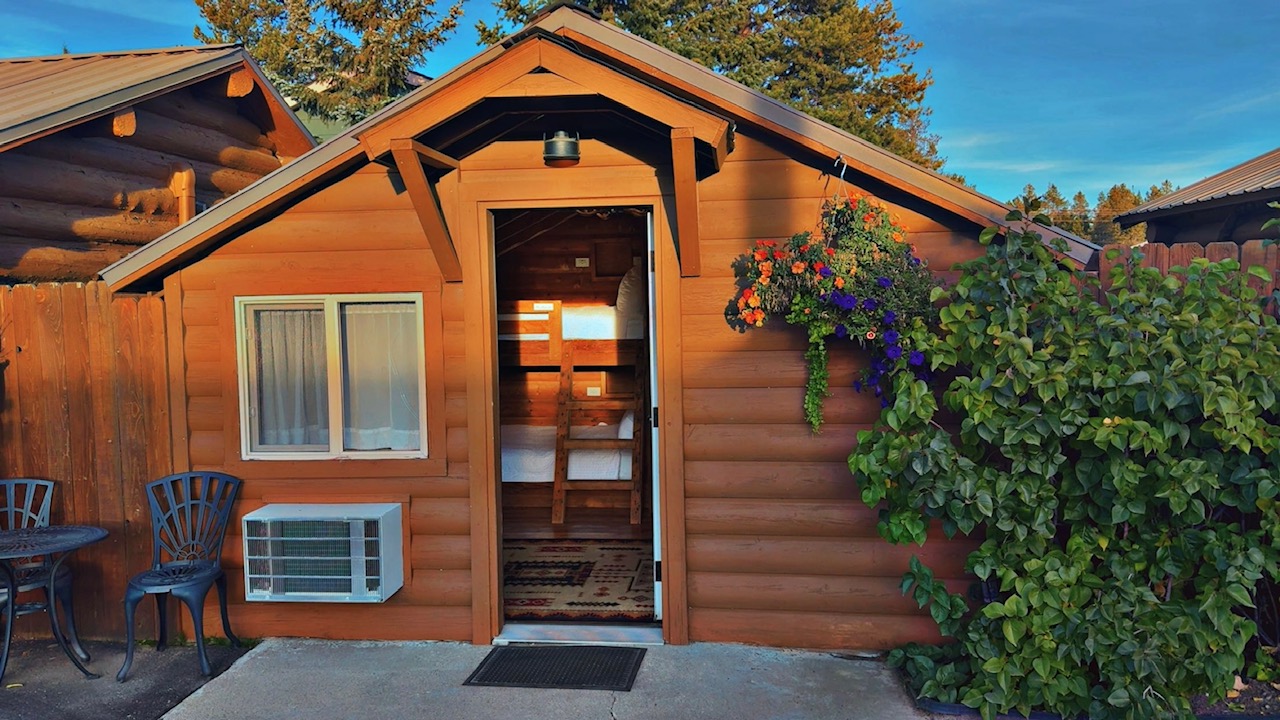
I surprised Kerrie with the news that we would be becoming best friends that evening in a tiny cabin with bunk beds. After an amazing pizza dinner, we both crashed and slept like Yellowstone rocks, despite the limited space. If Yellowstone National Park isn’t on your travel bucket list, please add it.